Posted on Leave a comment

How to Ensure Proper Drainage When Installing Porcelain Pavers?

Creating an attractive outdoor space often begins with choosing the ideal pavers, and porcelain pavers have surged in popularity due to their durability and aesthetic appeal.

However, a key aspect that may not immediately capture a homeowner’s attention is the critical role of effective drainage in maintaining the longevity and integrity of the paving system.

Proper drainage ensures that rainwater is efficiently managed to prevent pooling, flooding, and eventual damage to the pavers and the underlying structure.

From the initial ground preparation to the final application of sealant, every step requires careful attention to drainage details to protect the investment.

Keep reading to discover essential strategies and techniques that will enable a robust drainage system for your porcelain paver installation, ensuring beauty and function are preserved for years to come.

Key Takeaways

  • Porcelain Pavers Are Favored for Their Density, Weather Resistance, and Ability to Handle High Traffic While Ensuring Effective Drainage
  • A Properly Engineered and Compacted Gravel Base Is Critical for the Stability and Longevity of Porcelain Paver Systems
  • Strategic Design and Installation Techniques, Including Sloping and Spacing for Drainage, Enhance the Functionality of Outdoor Spaces
  • Regular Maintenance and Sealing of Porcelain Pavers Are Key to Preserving the Efficiency of Drainage and the Aesthetic of the Area
  • Timely Identification and Rectification of Common Drainage Issues Are Necessary to Maintain the Integrity and Enjoyment of Porcelain Paved Outdoor Spaces

Understanding Drainage Needs for Porcelain Pavers

Ensuring the longevity and functionality of an outdoor space begins with considering the underfoot material, such as porcelain pavers, and its interaction with natural elements, especially water.

Porcelain paver systems, lauded for their aesthetic versatility and resilience, are increasingly popular for areas like pool decks and walkways.

These pavers stand up to high traffic while maintaining their appeal, exhibiting a density that resists moisture and prevents staining.

Yet, despite these robust features, proper drainage remains paramount to prevent water accumulation that can lead to structural damage or unsightly pooling.

With these considerations in mind, it’s evident that a meticulous approach to drainage is indispensable when laying porcelain pavers in any outdoor area.

Characteristics of Porcelain Pavers

Clay Wood Look Porcelain Paver

Porcelain pavers, recognized for their high density and weather-resistant properties, offer outdoor spaces an enduring beauty unmatched by more traditional materials. Bearing a striking resemblance to natural stone, yet flaunting their own distinctive set of merits, these pavers are a testament to modern manufacturing ingenuity, often featuring natural veins and a variety of colors that emulate landmark stones like limestone or fossil layers.

The installation of porcelain tile extends beyond mere aesthetics; its durability arises from the material’s innate ability to withstand severe elements without succumbing to the common wear-and-tear that plagues lesser products. Optimal for spaces exposed to frequent foot traffic or the pressures from the occasional passage of a vehicle, porcelain pavers maintain their integrity and surface sheen, necessitating minimal upkeep while promoting longevity.

Why Proper Drainage Is Crucial?

Proper drainage is a cornerstone in preserving the integrity of paver systems, particularly for outdoor porcelain pavers designed to elevate the charm of an outdoor living space. Inadequate drainage can precipitate a spectrum of complications, from the superficial, such as staining and efflorescence, to the severe, like structural weakening due to water infiltration and the exacerbation of soil erosion.

Integral to the health and appearance of an outdoor area lies the necessity to manage stormwater runoff efficiently. A well-executed drainage strategy ensures that rainwater is whisked away from the installed paver surface, safeguarding the space against the risks of flooding and the resultant damage that can compromise the underground sewer system over time.

Preparing the Base for Optimal Drainage

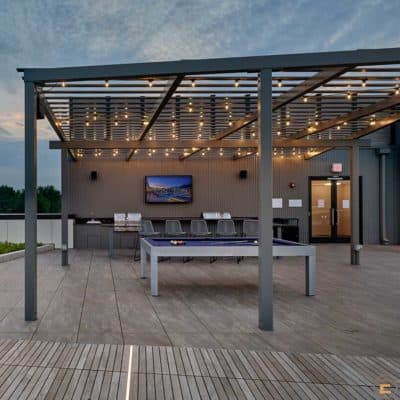
Stylish and durable porcelain pavers by Elegance, ideal for rooftop designs in Hawthorne, NJ, and surrounding areas.

The foundation of any successful paver installation is a meticulously prepared base, which is particularly crucial for porcelain pavers in outdoor areas.

When homeowners or contractors embark on creating a picturesque walkway or structuring a robust pool deck, understanding the critical roles that the gravel base and subsequent layers play can make a difference in overall longevity and performance.

Before one can revel in the beauty of outdoor porcelain pavers, the ground beneath must be engineered to support and drain effectively.

This introduction will usher in a step-by-step guide on preparing the base along with emphasizing the importance of a well-compacted sub-base, ensuring that the outdoor space is not only visually pleasing but also fully functional and resistant to the adverse effects of water and weather.

Step-by-step Guide on Preparing the Base

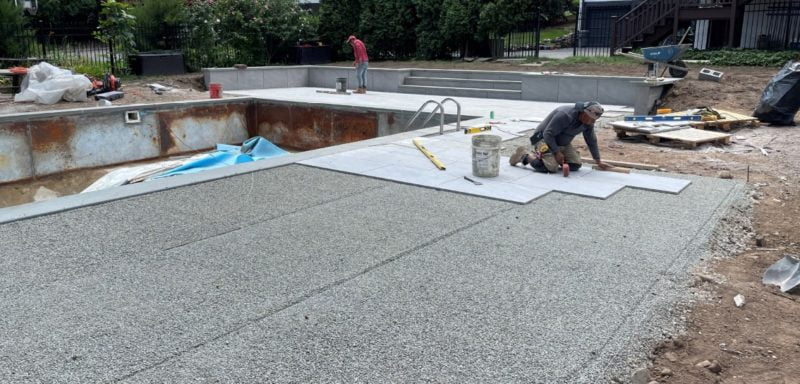
The commencement of the base installation for porcelain pavers is marked by excavating the designated area to an adequate depth, typically around seven to nine inches below the desired final surface level to accommodate the various layers. The precise depth hinges on the paver type and the load they are expected to bear, from pedestrian to vehicular traffic, necessitating tailored calculations for sufficient support and drainage capabilities.

Upon creating a discerning trench, the next step involves laying and compacting a gravel base; a crucial item in this puzzle that ensures a stable foundation while permitting rainwater to filter through, mitigating the risk of pooling and flooding. A plate compactor is used to firm the gravel, creating a uniform and solid bed that paves the way for optimal pore space, which is vital for managing stormwater effectively as it seeps through the paving system.

Importance of a Well-Compacted Sub-Base

A well-compacted sub-base is the bedrock upon which the longevity and efficacy of a paver system are built. By achieving a uniform and solid gravel base foundation, homeowners and installers lay the groundwork that resists the softening and shifting that can lead to paver misalignment and uneven walking surfaces over time.

Compacting the sub-base enhances the structural integrity of the outdoor porcelain pavers, safeguarding the installation against the erosive forces of rain and preventing the underlying layers from succumbing to the destructive cycles of freezing and thawing. The process is vital in creating a reliable and permanent outdoor space that endures through the seasons with minimal maintenance.

Choosing the Right Base Materials

Embarking on the journey of porcelain paver installation entails selecting base materials that not only provide a robust foundation but also promote efficient drainage.

The choice of crushed stone or gravel, recognized for their permeability, is pivotal in orchestrating a substructure that caters to thorough water dispersion and minimizes the likelihood of pooling on the paver surface.

As homeowners and contractors navigate this crucial phase, attention to detail in layering and compacting these materials is essential to preclude future complications, setting the stage for a pristine and enduring outdoor area.

Suitable Base Materials (e.g., crushed stone, gravel) for Drainage Beneath

When considering suitable base materials for drainage beneath porcelain pavers, permeable options such as crushed stone and gravel are the go-to choices for a robust and efficient foundation. These aggregates facilitate a quick and effective runoff of rainwater, preventing stagnation and protecting the paver system from water-related stresses.

Crushed stone, with its angular edges, ensures a stable interlocking base, while smooth-edged gravel complements the system by improving water filtration through the ground. Both materials play a pivotal role in preventing erosion and maintaining the alignment of pavers by offering a stable and permeable layer that withstands environmental pressures.

Tips on Layering and Compacting Materials

The layering of base materials requires precision, as each stratum acts as a fundamental contributor to the overall drainage and stability of the paving system. The process typically starts with a coarse, permeable aggregate laid directly on the compacted soil, followed by successive finer layers up to the sand base, to create a gradient for optimal water movement.

During compacting, it is critical to evenly distribute the pressure with a plate compactor, moving systematically across the area to ensure a level base. Attention to compaction ensures that each particle interlocks firmly, providing a base that is stable under high traffic while still facilitating efficient stormwater management.

Incorporating Drainage Solutions in Design

Integrating effective drainage from the outset is vital when planning the layout for porcelain pavers.

Thoughtful design elements and strategic incorporation of slopes and channels can lead to a harmonious balancing of style and function, providing a solution that addresses the practical concerns of water movement.

Designing with drainage in mind not only serves the purpose of controlling stormwater and avoiding the accumulation of puddles but also contributes to the longevity of the outdoor pavers and the safety of the space they encompass.

Considering these aspects at the design stage allows for a seamless transition to the installation process, where foresight translates into a well-executed outdoor area with efficient water management systems.

Design Elements That Enhance Drainage

When embarking on porcelain paver installation, the integration of subtle slopes into the design is a strategic move. These gentle gradients guide rainwater towards designated drainage areas or rain gardens, mitigating the risk of water-related damage and prolonging the pristine condition of the outdoor space.

The inventive design may also incorporate pavers set with spacers that allow for intentional gaps, facilitating rainwater to percolate through the permeable jointing material. The careful placement of these gaps ensures a balance between the beauty of the pavers and the practicality of managing stormwater:

Design ElementPurposeBenefit
Gentle SlopesDirect water flowPrevents pooling and structural damage
Spacers between paversCreate percolation gapsEnhances stormwater infiltration

How to Integrate Slopes and Channels in the Paver Layout

The strategic inclusion of slopes within a paver layout is imperative, guiding stormwater effectively toward appropriate drainage points. By forecasting the direction and volume of rainfall, a contractor seamlessly incorporates a natural flow within the porcelain paver design, thus ensuring that water is efficiently diverted away from the area.

Channels, tactfully etched into the landscape during the paver installation, function as conduits to swiftly transport excess water to predetermined drainage zones. Meticulous planning by the installer entails precise angling of these channels amidst the pavers, preserving the outdoor space’s aesthetic while enhancing its resilience against water damage.

Installation Techniques to Promote Drainage

[embedyt] https://www.youtube.com/watch?v=vKoOD3pP1LU[/embedyt]


When tackling the task of laying porcelain pavers, mastering the installation techniques that bolster drainage capabilities becomes essential for crafting an outdoor environment that is not only visually striking but also technically sound.

Detail-oriented methods, such as the application of edge restraints, work in tandem to perpetuate the integrity and functionality of the paver system.

These installation practices are pivotal in preserving the landscaped area from the detrimental impacts of water exposure, allowing homeowners to take pleasure in their ambient outdoor terrains, irrespective of climatic challenges.

Installation Methods That Facilitate Drainage

The implementation of edge restraints plays a crucial role when installing porcelain pavers, as these ensure the pavers remain in the desired configuration and contribute to effective drainage. Securing the perimeter of the installation with sturdy edge restraints prevents lateral movement of pavers and maintains the integrity of the overall design.

Mortar installation techniques impress with their ability to affix pavers in place while facilitating appropriate drainage. Skilled installers utilize mortar with precision, ensuring a stable yet permeable bond between the pavers and the base, hence supporting a brisk runoff of stormwater:

Installation MethodFunctionDrainage Benefit
Edge RestraintsSecure paver edgesMaintains paver alignment and supports drainage
Mortar InstallationAffix pavers on baseStable yet allows for water permeation

Other installation practices that enhance drainage include the judicious use of permeable jointing materials, such as specialized sands or crushed aggregates. These materials fill the joints between pavers, allowing water to permeate down through the paved surface and into the underlying layers, reducing surface run-off and improving the site’s ability to manage heavy rainfall.

Edge Restraints in Maintaining

Ensuring the longevity of porcelain paver installations hinges on the use of edge restraints that maintain paver alignment and prevent lateral movements. These restraints are integral in defining the boundary and securing the interlocking pavers, thereby contributing to the area’s overall structural integrity and its capacity to handle water flow efficiently.

Professional installers prioritize edge restraints to encapsulate the paver area, creating a robust barrier against shifting or spreading due to vehicular or pedestrian traffic. This confinement method supports proper drainage by maintaining the meticulously designed slopes and gaps within the paver layout, essential for channeling water away from the surface.

Post-Installation Drainage Considerations

Upon the completion of a porcelain paver installation, attentiveness to drainage must persist to ensure the outdoor space continues to perform optimally.

Post-installation, it is crucial for homeowners and landscape professionals to regularly assess and monitor the effectiveness of the drainage systems in place.

With the incorporation of sound maintenance practices, the functionality of outdoor pavers, as it relate to the thoroughfare of water, can be reliably maintained.

This segment will delve into proactive measures that can be taken to ensure the long-term performance of drainage features that are integral to the pristine condition and safety of the outdoor areas where these pavers are installed.

Assessing and Improving Drainage

Assessing the efficient passage of water through and around porcelain pavers is essential once the installation reaches completion. A homeowner should regularly inspect for signs of standing water after rainfall, as this indicates the need to address the grading or joint permeability to improve the area’s drainage capacity.

If drainage impairment is detected, ameliorative action typically includes ensuring proper joint spacing, retrofitting drainage solutions, or seeking a landscaper’s expertise to adjust the ground’s slope. Enhanced drainage brings peace of mind, mitigating worries about water damage and maintaining the paver’s intended aesthetic allure.

Maintenance Practices to Keep the Drainage System Functioning Properly

Maintenance practices are essential to sustain the efficiency of drainage systems for porcelain pavers. Periodic cleaning of the paver surfaces and the spaces between them prevents debris accumulation, a common culprit that obstructs rainwater pathways and leads to pooling:

  • Remove organic matter such as leaves and twigs to promote unimpeded water flow.
  • Examine and clear out any blockages in the drainage channels and outlets.
  • Conduct routine checks, particularly after heavy storms to spot and rectify any potential drainage issues.

Another vital practice involves the application of a suitable paver sealer. This aids not only in enhancing the pavers’ resistance to water infiltration but also serves as a preventative measure against the formation of mold and mildew, which can impede proper drainage and degrade the overall aesthetic and safety of the outdoor space.

Troubleshooting Common Drainage Issues

Even with the most diligent planning and precise installation, porcelain pavers may encounter drainage issues that could compromise the functionality and appeal of an outdoor area.

It’s essential to identify these challenges swiftly and deploy effective solutions to rectify them.

The forthcoming discussion will elucidate common drainage pitfalls associated with porcelain pavers and furnish homeowners with actionable strategies to ensure water is managed properly, preserving the integrity of their investment and enhancing the enjoyment of their outdoor spaces.

Solutions for Common Drainage Problems Encountered with Porcelain Pavers

Solutions to drainage issues with porcelain pavers often involve readjusting the substrate and base materials beneath the pavers. In cases where inadequate slope causes water to stagnate on the paver surface, professionals might need to lift the pavers, enhance the gradient of the gravel base, and subsequently reposition the pavers to facilitate better water flow.

Another common drainage concern emerges when the sand or aggregate between pavers becomes compacted or clogged, reducing permeability. Here, the remedy includes extracting the old joint material, cleaning the gaps, and refilling with new, permeable aggregates designed to improve water passage:

  • Lift and regrade pavers with insufficient slope.
  • Replace compacted joint materials with permeable alternatives.

Diligent application of these solutions invariably revives the efficiency of the drainage system and reinstates the full functionality of the porcelain paver installation, ensuring the outdoor space remains resilient against water accumulation.

Frequently Asked Questions

How important is proper drainage when installing porcelain pavers?

Proper drainage is paramount when installing porcelain pavers as it prevents water accumulation that can lead to structural damage, surface erosion, and unsafe slippery conditions. Efficient drainage systems ensure the longevity of the paver system, preserving the beauty and functionality of the outdoor space while mitigating potential flooding issues.

What are some common drainage issues that can arise during porcelain paver installation?

During the installation of porcelain pavers, common drainage issues often arise due to improper grading, which can lead to water pooling on the paver surface, or an inadequate base installation that fails to facilitate proper stormwater management. Another frequent problem occurs when the paver system is not aligned with the existing landscaping, potentially resulting in flooding and soil erosion in surrounding outdoor areas.

What materials are recommended for preparing the base to ensure optimal drainage?

For optimal drainage in paving systems, a well-compacted gravel base is paramount; this allows for efficient handling of rainwater and mitigates the risk of flooding. The use of permeable pavers atop this base further enhances drainage by allowing stormwater to percolate through and into the ground, thus reducing pressure on the sewer system.

Are there any design considerations that can help improve drainage in outdoor spaces?

Indeed, integrating permeable pavers, which allow rainwater to filter through and enter the ground beneath, enhances drainage, reducing stormwater runoff. Additionally, incorporating a rain garden into the landscape design isn’t only aesthetically pleasing but also a practical approach to managing excess rainfall effectively.

What installation techniques can be used to promote effective drainage for porcelain pavers?

To ensure proper drainage for porcelain paver installations, contractors often opt for raised pedestal systems, allowing water to freely move beneath the pavers or the incorporation of permeable pavers designed to let rainwater pass through the gaps and into the ground below. Incorporating a slight slope into the paver area also directs stormwater away from the paver surface, mitigating the risk of flooding and minimizing puddles on high-traffic surfaces such as a pool deck or walkway.

Conclusion

In conclusion, the installation of porcelain pavers requires meticulous consideration of drainage to maintain the integrity and beauty of outdoor areas.

Ensuring proper drainage begins with a well-prepared and compacted base, typically composed of crushed stone or gravel, that allows for effective water dispersion.

Design elements such as gentle slopes and spacers between pavers are integral for guiding water away from the surface and enhancing infiltration.

Adequate installation techniques, including the use of edge restraints and permeable jointing materials, further aid in promoting drainage and preventing water accumulation.

Post-installation, regular maintenance, and assessments are necessary to preserve the drainage system’s functionality.

Addressing common drainage issues effectively is key to safeguarding the outdoor space and extending the lifespan of the porcelain pavers, ensuring homeowners can enjoy an attractive, durable, and safe environment.

elegance-by-nt-trading-porcelain-pavers-catalog

Elegance by NT Trading:

Premier Natural Stone and Porcelain Paver Supplier Serving Diverse Regions Across the United States At Elegance by NT Trading, we pride ourselves on being a leading supplier of high-quality natural stone (including marble and travertine) and porcelain pavers. Our commitment to excellence in service and product quality extends across a wide range of states in the U.S., ensuring that no matter your location, you can access our exquisite materials for your architectural and design needs.
Expansive Service Areas: Northeast and Mid-Atlantic: New Jersey, Connecticut, New York, Long Island, New Hampshire, Rhode Island, Pennsylvania, Maryland, and Virginia. In these historic and bustling regions, we provide top-tier stone solutions that enhance both interior and exterior spaces.
Midwest and South: Michigan, North Carolina, South Carolina, Texas, Arizona, Georgia, Illinois, Ohio, and Florida. Our extensive selection of stone and porcelain pavers meets the diverse architectural styles and climate needs of these vibrant areas.
West and Southwest: California, Nevada, and Arizona. Catering to the unique landscapes and design preferences of the West, we supply materials that complement and elevate the natural beauty of this region.
As a proud member of the National Stone Institute, Elegance by NT Trading not only ensures the highest quality of materials but also adheres to best practices in environmental sustainability and ethical sourcing. Our team of experienced designers and sales professionals collaborates closely with mason yards, architects, and designers in these areas, providing personalized service from design conception to delivery.
Whether you are crafting a stunning patio in California, an elegant interior in New York, or a durable exterior in Texas, Elegance by NT Trading is your trusted partner. Discover our range of products and transform your space with the timeless beauty of natural stone and the sophisticated elegance of porcelain pavers.
Contact Us Today to Elevate Your Project with Elegance!
Posted on Leave a comment

Porcelain Pavers: Preventing Common Issues

Preventing Common Issues in Porcelain Pavers

Porcelain pavers have steadily gained popularity due to their durability and aesthetic appeal in areas like patios, pool decks, and walkways.

Yet, despite their robustness, these pavers are not immune to problems such as cracking and discoloration, which can mar the beauty of an outdoor living space.

Homeowners and contractors alike should be aware of the potential issues that can arise from incorrect installation, environmental exposure, and insufficient maintenance.

Tackling these challenges head-on ensures that porcelain paving remains a pristine and valued addition to any hardscape.

Keep reading to uncover professional insights and tips to maintain the integrity of your porcelain pavers for years to come.

Key Takeaways

  • Regular Maintenance With Correct Products Is Crucial to Preserve the Beauty and Longevity of Porcelain Pavers
  • Proper Installation and Sealing Are Essential to Prevent Cracking, Chipping, and Efflorescence on Porcelain Paving Surfaces
  • Addressing Efflorescence Requires Use of Specialized Cleaners and Proactive Moisture Management
  • UV-resistant Porcelain Pavers and Regular Cleaning Help Maintain Color Vibrancy and Prevent Fading
  • Prompt Repair and Inspection Prevent Minor Issues From Escalating Into Significant Damage to Porcelain Pavers

Understanding Porcelain Pavers

Porcelain pavers possess a revered position as dynamic flooring materials suitable for various outdoor areas, including patios, pool decks, and walkways. Their construction, employing high-grade porcelain, imparts resilience and a sophisticated sheen, enhancing any living space. Yet, despite their robustness, these pavers are not immune to typical hardscape challenges such as efflorescence, staining, or moisture damage.

The homeowner’s guide to porcelain paver maintenance delves into the complexities of keeping these outdoor elements in pristine condition. Regular cleaning with the correct products and procedures can mitigate potential issues: To preserve the porcelain surface, regular cleaning is essential.:

  1. Selecting the appropriate cleaner that won’t harm the paver’s slip rating or sheen.
  2. Addressing efflorescence and mildew promptly with designated cleaning agents.
  3. Effectively removing stains and grout residue without causing discoloring.
  4. Employing sealing solutions to provide an extra layer of protection.

Often overlooked, the role of proper installation cannot be understated when it comes to preventing issues with porcelain pavers. Employing a seasoned contractor ensures a stable base material beneath each paver, essential for evading problems like breakage or unevenness. A technically sound installation method, using quality adhesive and correctly placed spacers, forms the bedrock of long-term paver endurance.

In addition, understanding a porcelain paver’s low porosity is critical. This characteristic reduces water absorption, thereby lessening the risk of moisture damage. Nevertheless, even porcelain slabs benefit from the occasional application of a sealer, especially in areas subjected to frequent spillage or oils that can induce staining. Thus, the homeowner must comprehend the intrinsic properties of their porcelain paving materials to properly protect them.

1. Cracking and Chipping

Cracking and chipping are formidable foes of porcelain pavers, often casting a shadow over their reputation for durability.

Various forces conspire to compromise the integrity of these hardscape products, from suboptimal installation practices to the rigors of daily foot traffic.

These consequences can mar the seamless aesthetic of a porcelain patio or walkway, necessitating a deeper look into the genesis of such defects.

Preventative measures stand as a homeowner’s first line of defense, safeguarding the alluring appearance and longevity of their outdoor porcelain installations.

This introductory segment aims to pave the way for a comprehensive understanding of the causes and preventive strategies to tackle cracking and chipping in porcelain pavers.

Causes of Cracking and Chipping in Porcelain Pavers

Cracking and chipping present significant concerns for homeowners opting for the aesthetic appeal of porcelain paving slabs. These flaws are most commonly born from mechanical stresses, such as heavy impacts or structural shifts within the substrate supporting the pavers.

Temperature fluctuations also contribute to such surface damage, as the expansion and contraction cycle can wreak havoc on porcelain slabs that are not properly installed or lack sufficient flexibility in their base layer. Incorrectly applied or deficient joint space contributes to a scenario where pavers lack the necessary room to expand, leading to pressure buildup and eventual damage.

Preventative Measures

To stave off the unwelcome onset of cracking and chipping, homeowners must emphasize the significance of sealing porcelain pavers. Sealant not only shields against the elements but also fortifies pavers against the daily wear and tear that can lead to superficial damage.

Moreover, the alignment of pavers plays a critical role in mitigating stress distributions that prompt cracking. Contractors should heed meticulous installation practices, assuring adequate space for grout joints and movement, which acts as a buffer against the mechanical forces that threaten porcelain paving’s integrity.

2. Staining and Discoloration

Staining and discoloration can swiftly diminish the initial splendor of porcelain pavers, leaving an outdoor expanse less than appealing.

These blemishes may arise from a range of sources, including organic matter, abrasive chemicals, or the untidy aftermath of a delightful backyard gathering.

Selecting stain-resistant porcelain paving tiles, accompanied by a consistent regimen of sensible cleaning practices, is pivotal for homeowners eager to sidestep these blights and maintain their patio’s upscale aesthetic.

The following sections delve into understanding the common culprits behind these marred appearances and articulate tactics for their prevention and removal.

Common Causes of Staining and Discoloration

Porcelain pavers, while celebrated for their resilience to staining, may succumb to unsightly discoloration when confronted with certain contaminants. The intrusion of tannins from leaves and debris, coupled with rust stains from metal furniture, can create stubborn blemishes that mar the porcelain’s pristine finish.

Grout haze, a cloudy residue left after tile installation, can also be a precursor to persistent discoloration if not addressed swiftly. Incorrect cleaning methods or the use of acidic or dye-based cleaning agents compound these issues, leading to challenging stains that detract from the porcelain’s natural brilliance:

Stain SourceType of SubstancePotential Impact
Tannins from leavesOrganicLong-lasting Stains
Rust from furnitureMetal OxidesDiscoloration
Grout HazeMineral ResidueCloudy Appearance
Harsh CleanersAcidic/Dye-BasedSurface Damage

Diligence in selecting the right cleaning product, specifically formulated for porcelain pavers, and following manufacturer instructions can prevent the onset of such staining and preserve the aesthetic of the hardscape area. Homeowners must remain vigilant against these common causes to maintain the integrity and beauty of their porcelain paving.

Choosing Stain-resistant Pavers and Effective Cleaning Methods

Ecru porcelain pavers wood look wall tile

When homeowners select pavers for their outdoor spaces, choosing porcelain varieties that boast a high resistance to staining is a prudent move. Manufacturers often treat porcelain paving tiles with a specialized glaze that repels contaminants, helping to resist stains before they can penetrate the surface of the paper.

Regarding cleaning, the adoption of gentle yet efficient methods ensures the longevity and vibrancy of these pavers. Homeowners should opt for a pH-neutral detergent or cleaning solution that is specifically designed for porcelain tile and grout, and apply this solution with a soft brush or mop to effectively lift dirt without risking damage to the tiles.

3. Uneven Installation and Lippage

An expertly installed porcelain patio or walkway is a testament to precision and grace, turning any ordinary outdoor space into an inviting oasis.

Yet, the threat of uneven installation looms, leading to the unsightly obstacle of lippage – where the edges of pavers sit at different heights, disrupting the surface continuity.

It’s the meticulous attention during the laying process that ensures a smooth, even expanse free of trip hazards.

The following discourse explores how uneven installation can manifest and the detrimental effects it may have, not only on the functionality but also on the overall aesthetic appeal.

Homeowners, armed with the right knowledge of installation steps and techniques, can work collaboratively with contractors to ensure a level and visually harmonious outcome.

How Uneven Installation Occurs and Its Impact

Uneven installation of porcelain pavers typically stems from an inconsistent paver base or hasty placement of the paving slabs. Variances in the thickness of the mortar bed or the improper use of spacers can cause misalignment, leading to varying levels of pavers upon setting:

  1. Inconsistencies in base preparation affect the level of each porcelain piece.
  2. Hasty installation might skip essential steps leading to immediate or future lippage.
  3. Uneven spreading of mortar creates a ripple effect throughout the patio or walkway.

This misalignment, known as lippage, not only compromises the visual flow of the flooring but poses a tripping hazard for homeowners and their guests. Lippage detracts from the installation’s professional finish and can result in increased wear and tear on the raised edges of the pavers.

Steps to Ensure Level Installation and Techniques

mineral porcelain pavers

Achieving a level of installation demands attention to detail from start to finish. Beginning with a uniformly compacted paver base ensures each porcelain slab sits flush, eliminating the possibility of future settling and lippage.

Advanced techniques such as employing leveling systems during installation further enhance precision. These systems utilize interlocking spacers and pedestals, aligning each paver to create an even surface that boasts both aesthetic appeal and functional integrity:

Installation StepTechniquePreventative Outcome
Base CompactionUniform CompactionPrevents Settling and Lippage
Mortar ApplicationEven Spread with TrowelMaintains Paver Levelness
Placement AccuracyLeveling Systems and SpacersEnsures Surface Continuity

Contractors are advised to follow the precise guidelines stipulated by tile manufacturers. Adhering to these specifications not only facilitates a level surface but also upholds the porcelain pavers’ endurance against the elements and foot traffic over time.

4. Efflorescence

Porcelain pavers, lauded for their sleek appearance and durability, are not impervious to the perplexing phenomenon of efflorescence, which can surface unexpectedly and mar their pristine beauty.

This crystalline deposit of salts, typically white, can emerge when water within the paver evaporates, leaving a powdery residue that detracts from the intended visual charm of the area.

Identifying effective strategies to preempt and combat efflorescence becomes crucial for preserving the lustrous appeal and longevity of porcelain paving investments.

In approaching this challenge, it is vital to grasp the nature of efflorescence, engage in preventative tactics, and master the methods for its thorough removal, all designed to maintain the integrity and aesthetic of the homeowners’ prized outdoor spaces.

What is Efflorescence?

Efflorescence on porcelain pavers is the occurrence of salt deposits that become visible on the surface. These salts are drawn up from the base material where they were previously dissolved in moisture, becoming visible as water moves through the pavers and evaporates at the surface, leaving behind the crystalline deposits.

The appearance of efflorescence is often characterized by a white, powdery residue that stands out against the rich colors of the porcelain surface. This occurrence is not indicative of a defect in the porcelain paving tiles but is a natural process resulting from the presence of soluble salts within the materials used and the environment:

  1. Evaporation of moisture brings salts to the porcelain surface.
  2. Crystalline deposits form, creating a white, powdery appearance on pavers.

Preventative Strategies and Methods for Removal

To mitigate the occurrence of efflorescence, homeowners should focus on preventative steps, prioritizing moisture management in their installation procedures. Ensuring proper drainage beneath porcelain paving slabs is essential; accumulated moisture should never linger to minimize soluble salts’ migration to the surface.

Upon detection of efflorescence, prompt action is key; a specialized cleaning agent intended for porcelain pavers should be used to dissolve the salt deposits without damaging the pavers. After cleaning, it’s critical to rinse the area thoroughly with clean water to remove any remaining cleaning solution and dislodged salts:

  1. Apply a specialized efflorescence cleaner per product instructions.
  2. Rinse the area with clean water to flush away cleaner and salts.

It must be noted that repeated instances of efflorescence might indicate underlying issues with hardscape installation or environmental conditions. In such cases, a professional assessment can offer a long-term solution, potentially involving alterations to the landscape to improve moisture control.

5. Fading from UV Exposure

The radiant glow of the sun can breathe life into an outdoor expanse, yet its relentless ultraviolet rays present a hidden threat to the visual splendor of porcelain pavers.

As homeowners revel in the seamless blending of indoor comfort with outdoor charm, they may unwittingly expose their pristine porcelain patios to the vagaries of sunlight.

This can gradually diminish the vibrancy of even the most high-quality pavers, prompting discerning customers to seek out materials inherently designed to withstand the rigors of UV exposure.

Recognizing the effects of these rays and opting for UV-resistant pavers is critical in maintaining the enduring beauty of these hardscape investments.

The Impact of UV Exposure on Porcelain Pavers

Unyielding exposure to ultraviolet rays can challenge the enduring beauty of porcelain paving tiles, leading to gradual fading and diminishing the boldness of their colors. Despite porcelain’s innate durability, UV radiation possesses the ability to degrade the surface over time, altering the visual intent and atmosphere of the outdoor living space.

Manufacturers of high-caliber porcelain tiles address this issue by incorporating UV inhibitors within the glaze or through the body of the tile, providing an essential protective barrier. Such measures are instrumental in ensuring that porcelain pavers retain their vibrant hues and structural integrity despite the relentless onslaught of sun exposure.

How to Select UV-resistant Pavers

When it comes to selecting UV-resistant pavers, consumers should scrutinize the technical specifications provided by the manufacturers. It’s essential to identify products that have been tested for color fastness under UV light, indicating their ability to withstand the bleaching effects of the sun over prolonged periods.

Awareness of the tile’s intrinsic properties, such as the presence of UV inhibitors either in the surface glaze or throughout the body of the tile, is vital during the selection process. The purchase decision should be informed by the manufacturer’s claims concerning the porcelain slab’s endurance against UV radiation:

Selection CriteriaDescriptionOutcome
UV TestingManufacturer’s UV light test results for color fastnessAssurance of color retention over time
UV InhibitorsInclusion of UV-resistant compounds in the tileIncreased longevity of paver aesthetics

High-quality pavers often come with warranties that attest to their resilience against fading, and consulting with a knowledgeable dealer can guide homeowners to make savvy selections that will keep their porcelain paved areas vibrant and inviting for years to come.

6. Maintenance Tips for Longevity

Porcelain pavers offer an elegant solution to exterior flooring, but they demand attentive care for enduring performance.

General maintenance and timely attention to wear and potential damage are fundamental to securing the investment in these hardscape elements.

The homeowner’s attentiveness to regular inspections and swift repairs can prevent minor issues from spiraling into costly damage, ensuring the pavers’ longevity and preserving the aesthetic of outdoor settings for extended enjoyment.

General Maintenance Tips

Homeowners should embark on a routine of vigilance, scheduling periodic sweeps of porcelain paver areas to eliminate debris and potential impurities that may compromise the pavers’ integrity. A gentle wash with a mild detergent, tailored for porcelain pavers, effectively precludes the build-up of dirt and maintains the surface’s splendor.

To prevent the likelihood of stains becoming permanent fixtures, prompt spot cleaning is advised whenever spills occur. Utilizing pH-neutral solutions to address localized soiling ensures that the paver’s aesthetic qualities are not adversely affected by harsh chemicals.

Importance of Regular Inspections and Timely Repairs

Conducting regular inspections of porcelain paver areas enables the homeowner to identify potential issues such as loose tiles, cracks, or early signs of wear. Addressing these findings promptly through repairs or adjustment can forestall the deterioration of the paved space, ensuring the longevity of the investment.

Timely repairs not only preserve the functional attributes but also maintain the visual coherence of the porcelain pavers. Homeowners who act swiftly to remedy any irregularities help to prevent compounding problems that might otherwise lead to extensive damage and costly renovations.

Frequently Asked Questions

  1. How can I prevent cracking and chipping in porcelain pavers?

    • To prevent cracking and chipping, it’s crucial to start with a solid foundation. Ensure the base is well-compacted and level. During installation, handle the pavers with care to avoid dropping or knocking them against hard surfaces. Use a suitable adhesive to secure the pavers properly, as this can also reduce the risk of damage. For areas with heavy traffic or load, consider choosing thicker pavers for added strength.
  2. What are the effective ways to prevent staining on porcelain pavers?

    • Preventing stains on porcelain pavers begins with choosing high-quality, stain-resistant pavers. Regular cleaning is also key; promptly remove spills and stains before they set. For tougher stains, use a pH-neutral cleaner specifically designed for porcelain. Avoid abrasive cleaning tools and harsh chemicals that can damage the paver surface.
  3. How do I ensure an even installation of porcelain pavers to avoid lippage?

    • Even installation requires careful planning and execution. Use a spirit level to ensure the base is level before laying the pavers. Employ spacers to maintain consistent gaps between pavers. When laying the pavers, gently tap them into place with a rubber mallet to ensure they are level. Regularly check for lippage as you progress and adjust as necessary.
  4. Can efflorescence be prevented in porcelain pavers, and how can it be removed?

    • While efflorescence is less common in porcelain pavers, it can occur. To prevent it, ensure proper drainage in the installation area to avoid water pooling. If efflorescence appears, it can often be removed with a specialized efflorescence cleaner. Apply the cleaner according to the manufacturer’s instructions and rinse thoroughly with water.
  5. What measures can protect porcelain pavers from fading due to UV exposure?

    • Most high-quality porcelain pavers are inherently UV-resistant and do not fade easily. However, for added protection, especially in areas with intense sunlight, consider applying a UV-resistant sealer. Regular maintenance, including cleaning and resealing as needed, can also help maintain the color and appearance of the pavers over time.

Conclusion

Preventing common issues in porcelain pavers is paramount to preserving their durability and aesthetic appeal in outdoor living spaces.

By selecting appropriate cleaners, promptly addressing efflorescence and mildew, removing stains without discoloration, and applying sealers, homeowners can maintain the pristine condition of their porcelain surfaces.

Proper installation techniques, including a stable base and correct placement, are critical to avoid cracking, chipping, and unevenness.

Ensuring low porosity to combat moisture damage, employing UV-resistant materials to reduce fading, and executing regular maintenance, including inspections and timely repairs, also contribute to the longevity and beauty of porcelain pavers.

Being proactive in these measures helps homeowners safeguard their investments and enjoy the sophistication of porcelain pavers for years to come.

elegance-by-nt-trading-porcelain-pavers-catalog

Elegance by NT Trading:

Premier Natural Stone and Porcelain Paver Supplier Serving Diverse Regions Across the United States At Elegance by NT Trading, we pride ourselves on being a leading supplier of high-quality natural stone (including marble and travertine) and porcelain pavers. Our commitment to excellence in service and product quality extends across a wide range of states in the U.S., ensuring that no matter your location, you can access our exquisite materials for your architectural and design needs.
Expansive Service Areas: Northeast and Mid-Atlantic: New Jersey, Connecticut, New York, Long Island, New Hampshire, Rhode Island, Pennsylvania, Maryland, and Virginia. In these historic and bustling regions, we provide top-tier stone solutions that enhance both interior and exterior spaces.
Midwest and South: Michigan, North Carolina, South Carolina, Texas, Arizona, Georgia, Illinois, Ohio, and Florida. Our extensive selection of stone and porcelain pavers meets the diverse architectural styles and climate needs of these vibrant areas.
West and Southwest: California, Nevada, and Arizona. Catering to the unique landscapes and design preferences of the West, we supply materials that complement and elevate the natural beauty of this region.
As a proud member of the National Stone Institute, Elegance by NT Trading not only ensures the highest quality of materials but also adheres to best practices in environmental sustainability and ethical sourcing. Our team of experienced designers and sales professionals collaborates closely with mason yards, architects, and designers in these areas, providing personalized service from design conception to delivery.
Whether you are crafting a stunning patio in California, an elegant interior in New York, or a durable exterior in Texas, Elegance by NT Trading is your trusted partner. Discover our range of products and transform your space with the timeless beauty of natural stone and the sophisticated elegance of porcelain pavers.
Contact Us Today to Elevate Your Project with Elegance!
Posted on Leave a comment

Porcelain Pavers: Tools and Materials for Installing

Transforming your outdoor space with the elegance and sophistication of porcelain pavers combines robust functionality with aesthetic appeal. Whether you’re enhancing a patio, pool deck, or driveway, the success of porcelain paver installation hinges on the precise selection of tools and materials.

From the reliable impact of a rubber mallet to the precision provided by spacers, each tool and material plays a crucial role in the quality of the finished project. Selecting the right porcelain pavers involves a blend of technical expertise and design insight, ensuring that every choice contributes to the overall beauty and durability of the space.

Continue reading to discover the essential tools and materials needed for a successful porcelain paver installation, and learn how to achieve a flawless and stunning outdoor area.

Key Takeaways

  • Proper Preparation and High-Quality Materials Are Crucial for a Durable Porcelain Paver Installation
  • Precision Tools and Cutting Techniques Are Essential for Achieving a Seamless Porcelain Paver Fit
  • The Right Grout and Sealant Selection Enhance Both the Aesthetic and Structural Integrity of Porcelain Pavements
  • Regular Maintenance With Appropriate Tools and Cleaners Is Imperative to Preserve the Appearance and Lifespan of Porcelain Pavers
  • A Meticulous Installation Process and Ongoing Care Ensure Porcelain Pavers Remain a Stunning Addition to Any Outdoor Space

Essential Tools for Porcelain Paver Installation

Embarking on a porcelain paver installation offers an architect or homeowner an opportunity to transform any patio, pool deck, or walkway into an elegant oasis.

The allure of porcelain pavers lies in their low water absorption rates, durability, and extensive design options.

To ensure a successful installation, one must be equipped with specific tools that facilitate precision and efficiency throughout the installation process.

From the initial excavation to the final touches of the jointing compound, every piece of equipment and material plays a pivotal role in achieving a flawless finish.

Whether the project involves a tranquil garden walkway or a bustling plaza, the right set of tools is indispensable for tile installers aiming for excellence.

essential tools

The journey toward installing porcelain pavers begins with assembling a suite of indispensable tools. Tile installers must be resourced with precision instruments such as a spirit level, which is essential for confirming surface evenness and avoiding ill-fitting pavers:

ToolFunction
Spirit LevelEnsure even surfaces
Diamond BladePrecise cutting of pavers
ShovelExcavate and prepare substructures
Rubber MalletGently settle pavers into place
TrowelApply adhesive and mortar bed smoothly
SpacersMaintain uniform gaps between pavers
Plate CompactorConsolidate gravel base and sand bed

Next, a high-quality diamond blade attached to power tools becomes a crucial ally, enabling the installer to execute accurate cuts through the robust porcelain without causing breakage. Maintaining a set of robust hand tools, including shovels for ground preparation or a rubber mallet for gentle paver placement, also contributes greatly to an installation’s success.

installation process

The installation process for porcelain pavers is a meticulous operation that commences with a thorough surface preparation: the area must be excavated to an appropriate depth and then layered with a gravel base to ensure stability and adequate drainage capacity. Following this, the installer spreads a sand base or mortar bed to create a level and supportive foundation for the porcelain tiles.

  1. Excavate the area to the required depth.
  2. Install a gravel base to enhance stability and drainage.
  3. Apply a layer of sand base or mortar bed for support.

Once the groundwork is prepared, placement of the porcelain paver units begins, guided by the careful use of spacers to ensure uniform joints. Each paver is gently tapped into place with a rubber mallet, confirming strong adhesion and proper alignment. This step is critical in avoiding any irregularities across the patio or walkway.

Choosing the Right Materials

Taupe 24x24 Outdoor Porcelain Paver

Securing the ideal selection of porcelain pavers and materials is not merely about aesthetics but also structural integrity and long-term durability.

Contractors and homeowners must invest in high-quality porcelain pavers, revered for their resistance to cracking and minimal water absorption.

They must also gather materials that reinforce the strength and reliability of the installation method, such as the right grade of grout, adhesives with superior adhesion properties, and gravel with appropriate compaction qualities.

Balancing beauty with functionality, the journey to a resplendent patio or terrace begins with choosing products designed to endure the rigors of both foot traffic and natural elements.

importance of selecting high-quality porcelain pavers

Selecting high-quality porcelain pavers is a commitment to longevity and performance in any outdoor space. These pavers withstand a variety of climatic stresses, and their low water absorption rate mitigates the risk of frost damage in colder regions:

  1. Quality porcelain pavers resist extreme temperatures, preventing cracking and ensuring structural integrity.
  2. The reduced water absorption of premium pavers guards against the freeze-thaw cycle, offering peace of mind in variable weather conditions.

Additionally, exceptional porcelain pavers, through their advanced manufacturing process, possess a uniform and dense constitution that grants them superior strength against breakage from high-traffic areas or heavy loads, ensuring the terrace or driveway remains impeccable over time.

necessary materials

Achieving the perfect balance between form and function requires not only selecting premium porcelain pavers but also ensuring the accompanying materials are conducive to a resilient and lasting installation. Installers must employ a jointing compound that complements the strength and aesthetic of the porcelain, preventing weed growth and water ingress between the pavers.

Integral to the stability of porcelain paving is the foundation, where using a paver base of the correct specification will underpin the entire structure. This base should adequately support the pavers and facilitate proper drainage, thus safeguarding the integrity of the hardscape against shifting and settling.

Preparing the Base: Materials and Method

Sandstone Mini Modular Pattern Outdoor Porcelain Paver Project Image 2

Initiating the installation of porcelain pavers with attention to detail starts fundamentally at the base—where the robustness of the entire patio or walkway is determined.

Choosing the right base materials is critical for ensuring a stable and enduring surface that can effortlessly accommodate the elegance of porcelain tiles.

A well-prepared base is not only a guarantee for the longevity of the pavers but also impacts the overall appearance and functionality of the outdoor area.

Each material, be it crushed stone, gravel, or a concrete slab, serves a distinct purpose in creating a secure platform for the porcelain pavers that will remain unyielding through seasons and usage.

preparing the base for porcelain pavers

Beginning with the right base preparation is the cornerstone of any successful porcelain paver installation. Contractors meticulously excavate the area, removing topsoil and creating a bedrock of stability with a meticulously compacted gravel base that both supports the pavers and facilitates essential drainage.

Utilizing precision tools like a plate compactor, professionals consolidate the base materials, which often include a layer of sand or a mortar bed, ensuring a flat, level groundwork. The strategic placement of these layers is pivotal to prevent settling and movement, providing a steadfast foundation for the porcelain pavers to rest upon.

types of base materials

Identifying the optimal base materials forms the backbone of porcelain paver installation, with each choice impacting overall stability and durability. A solid concrete base offers rigidity and uniformity, commonly used for areas expecting significant pedestrian use or heavy furniture, such as terraces and public plazas.

In contrast, a sand bed presents a flexible solution that adapts to soil conditions while facilitating proper drainage, ideal for areas like garden paths or residential driveways. These materials, selected with care, form the substructures that ensure porcelain pavers retain their position and aesthetic appeal over time.

Cutting Porcelain Pavers: Tools and Techniques

Crafting the perfect outdoor oasis with porcelain pavers requires more than just laying the pieces; it demands precision in cutting the material to fit the unique contours of the project space.

Mastery in slicing through these durable pavers is gained through an understanding of the correct techniques and the use of specialized tools.

Cutting porcelain pavers to seamless perfection elevates the overall look, ensuring straight edges and tight joins that accentuate the area’s harmony.

Installers and contractors must wield their tools with confidence and skill, as they navigate through these tips for exact cuts—each meticulous notch and trim bringing them closer to an immaculate finish.

how to properly cut porcelain pavers

Properly cutting porcelain pavers demands precision and conscientious handling, wielding a wet saw equipped with a diamond blade designed explicitly for porcelain material. An installer must measure and mark the paver before carefully guiding it through the saw, ensuring the blade remains wet to minimize dust and reduce the risk of overheating, which can compromise the quality of the cut.

The technique is equally as important as the tool itself; maintaining a steady hand and even pressure allows the blade to make a clean, accurate incision. This process often necessitates multiple, gentle passes rather than a single forceful cut to avoid chipping the edges or causing breakage of the paver, securing an exquisite fitting within the intended space.

[embedyt] https://www.youtube.com/watch?v=_UHVIW_3Qs0[/embedyt]

Tips for achieving precise cuts

When undertaking the task of porcelain paver installation, obtaining cuts of remarkable precision is not left to chance. Each meticulous incision is a testament to the installer’s ability to balance meticulous measurements with the finesse required for slicing through the high-density tile.

For professionals intent on exceptional workmanship, adherence to measured guidelines is paramount: marking each porcelain paver with precision ensures the blade’s path follows an exact trajectory. Consequently, even complex shapes or snug corners become achievable sections of the grand design:

  1. Measure the paver to determine the exact size required.
  2. Mark the porcelain paver using a non-permanent, visible tool.
  3. Align the paver on the wet saw table with the cutting guide.
  4. Execute the cut following the marked line, applying steady pressure.
  5. Finish by smoothing any rough edges for a clean integration into the layout.

The expert tilers employ a series of careful techniques combined with acute attentiveness to detail to ensure that each porcelain paver interlocks seamlessly. Their proficiency with cutting tools fortifies the enduring elegance of every completed project, from lavish balconies to sophisticated rooftops.

Laying the Porcelain Pavers: What You’ll Need

Setting the stage for a pristine porcelain paver space, whether it be a tranquil backyard or a regal roof deck, hinges on the delicate interplay between the right tools, materials, and laying techniques.

The craft of laying porcelain pavers is analogous to a ballet of precise movements, blending the strategic use of spacers, trowels, and porcelain tiles to produce an interlocked surface that is as durable as it is captivating.

Before the dance begins, however, one must stock their arsenal with the essentials—each tool and material selected with care, each technique honed for the task.

The marriage of these components underpins the ease of installation and longevity of the outdoor sanctuary, as every spacer placed and paver laid builds towards the creation of an enduring, picturesque expanse.

tools and materials needed for laying the pavers

When it comes to laying porcelain pavers, the installer’s toolbox should be brimming with specialized implements tailored for this delicate task. Essentials such as a top-tier thin-set adhesive offer a steadfast grip, ensuring each paver remains secure against the elements and regular use on the hardscape.

Of equal importance are the paver accessories that aid in the precision of the layout; tile spacers aid in achieving an evenly spaced design, while a long-handled rubber mallet allows for the alignment of pavers without damage. Together, these tools and materials collaborate to orchestrate a porcelain pavement installation that embodies durability and aesthetics.

technique for laying porcelain pavers

The precise technique of laying porcelain pavers begins with an even application of thin-set adhesive or a mortar bed with a notched trowel. The installer ensures that each paver is placed with deliberate attention to the prescribed spacing, incorporating a level to verify that no tile sits higher than its neighbors, maintaining a cohesive and uniform surface throughout.

To solidify the positioning, tile installers align and press each porcelain piece firmly into the adhesive bed, taking care not to slide the pavers, which could disrupt the even setting of the chipset. As each unit is laid, a rubber mallet is gently utilized to embed the paver securely, confirming adhesion without inflicting any cracks or damage to the porcelain’s integrity.

Grouting and Sealing: Materials and Application

Stormy Ash Ultra Thick 5CM Outdoor Porcelain Paver Project Pic

Upon expertly laying porcelain pavers, one arrives at a crucial juncture in the installation journey — grouting and sealing.

This stage is not to be underestimated, as it reinforces the integrity and enhances the beauty of the hardscape.

Selecting a type of grout that aligns with the porcelain paver’s attributes is pivotal; it must be robust enough to withstand environmental pressures while complementing the tile’s aesthetic.

Equally important is the sealing process, a protective measure that acts as the final defense against staining and wear.

Together, grouting and sealing are the capstones that ensure the completed project stands the test of time and usage.

types of grout suitable for porcelain pavers

The type of grout chosen for porcelain paver installation is critical to both the aesthetic and structural integrity of the surface: it must correlate with the paver’s strength and offer resistance against various environmental factors. For porcelain pavers, sanded or unsanded grout can be used based on the width of the joints; wider joints typically call for sanded grout due to its enhanced bonding ability, which helps prevent cracking.

Joint WidthRecommended Grout Type
Narrow (< 1/8 inch)Unsanded Grout
Wide (> 1/8 inch)Sanded Grout

In the realm of porcelain paver installation, epoxy grout is heralded for its robust composition and longevity: epoxy resists stains and does not require sealing, making it a premium choice for areas with high moisture or where stains are a concern. This type of grout, while more challenging to work with than traditional grout products, rewards the homeowner and the installer with its enduring qualities and minimal maintenance requirements.

importance of sealing pavers

The application of a sealant is a crucial safeguard following the laying and grouting of porcelain pavers; it forms an impermeable barrier that protects the surface from stains, weather damage, and everyday wear and tear. Proper sealing not only elongates the life of the pavers but also preserves their pristine appearance, making it an essential step for maintaining the investment’s value over time.

Sealing is especially vital in porous paver installations, where the potential for moisture ingress could lead to the proliferation of mold or moss, undermining the structure’s integrity and aesthetic. Contractors recognize that a high-quality sealant enhances the resilience of the pavers against such issues, ensuring that patios, driveways, and pool decks retain their intended splendor and functionality.

Maintenance Tools and Supplies

Once the porcelain pavers are immaculately installed and the landscape is transformed into a stunning display of architectural finesse, attention must then pivot to preservation.

Commitment to upkeep is paramount for retaining the allure and extending the lifespan of the hardscape.

Therefore, equipping oneself with the proper tools and supplies for regular maintenance becomes just as imperative as the installation itself.

From periodic cleaning regiments to the application of appropriate care products, tile installers and homeowners alike must become stewards of their investment, ensuring the porcelain pavers remain a testament to both beauty and endurance through continued vigilance.

tools and supplies needed for ongoing maintenance

Keeping porcelain pavers in top condition demands regular maintenance, which requires the deployment of specialized cleaning agents that are compatible with the unique properties of the porcelain. Employing a gentle, pH-neutral cleaner helps prevent damage to the sealant and ensures that the pavers do not lose their lustrous finish over time.

For an effective and meticulous cleaning routine, homeowners should seek tools such as a soft-bristled broom for removing debris and a squeegee suited for expelling water and cleaner from the surface. The use of a pressure washer, set to an appropriate and safe pressure level, can also be beneficial for dislodging embedded dirt and grime without compromising the integrity of the grout or the pavers.

regular cleaning for porcelain pavers

To maintain the pristine appearance of porcelain pavers, routine cleaning is essential. Homeowners should implement a cleaning schedule to regularly remove any debris or stains, ensuring that the porcelain’s surface remains impeccable and skid-resistant for pedestrian safety.

Utilizing non-acidic, soap-free cleaners for porcelain pavers preserves their look and prevents any harm to the sealant that safeguards the tile’s integrity. This proactive approach to maintenance assures that the pavers will continue to exhibit their natural beauty and robustness against the elements as the years pass.

Frequently Asked Questions

What are the essential tools needed for installing porcelain pavers?

Embarking on a porcelain paver installation project entails assembling a suite of specialized tools designed to handle the materials’ unique properties. These must-have items converge functionality with precision, aiding an installer from preparation to the final touches of laying down a luxurious and enduring surface.

To launch the installation process, an accurate area measurement is pivotal, ensuring that one acquires an adequate quantity of porcelain paver units. A tape measure, spirit level, and chalk line take their rightful place among essentials, granting the power to map out the designated space for the pavers, be it a patio, pool deck, or walkway.

As a homeowner or contractor mobilizes for the excavation of the ground, a shovel and pickaxe are your primitive yet indispensable tools. They facilitate the removal of topsoil and enable one to achieve the correct gravel base depth. Following the strategic excavation, a compact foundation is paramount, and a plate compactor becomes a non-negotiable piece in your arsenal; it solidifies the gravel base granting stability to the impending layer of porcelain tiles.

  • Trowel and rubber mallet come in next, delivering finesse as the pavers are placed onto the bed of sand or adhesive.
  • The spacer sits as another pivotal guide, dictating the uniformity of gaps that later will be filled with grout or jointing compound, ensuring everything is level and evenly spaced.
  • For porcelain tiles that require cutting to accommodate corners, edges, or unique design options, a wet saw with a diamond blade is the tool of choice, cutting through the paver with precision, thus reducing the potential for breakage.
  • When installation nears completion, a rubber squeegee aids in the even distribution of jointing compound, a critical step for the longevity and aesthetic of the patio or walkway.

For elevated areas such as balconies or roof decks, a pedestal system may be employed, which necessitates the use of additional hand tools to adjust the height and ensure the surface is even. The rubber mallet reappears here, tapping the paver tiles gently into place, perfecting the sublime terrace or plaza.

A pro tip: always refer to the manufacturer’s instructions or work under the guidance of a seasoned professional to validate that each step aligns with the product’s intended installation method.

In essence, the ideal outcome of a porcelain paver installation doesn’t solely rest on the choice of high-quality materials or the meticulous nature of the installer. It equally depends on the symphony of tools, each playing its role, from the shovel used to excavate the area to the accessories and finishing trims that pronounce the elegance of the finished hardscape.

How do I choose the right materials for porcelain paver installation?

Selecting the appropriate materials for porcelain paver installation hinges on factors such as the intended use of the space—be it a patio or a driveway—and the specific qualities of the product, including water absorption rates and the durability of the manufacturing process. Moreover, it is essential to contemplate both the aesthetic and functional needs, aligning them with the homeowner’s vision and the architect’s design options, ensuring a harmonious integration with the existing hardscapes.

What materials and methods are used for preparing the base before installing porcelain pavers?

Preparing the base for porcelain pavers typically involves an excavation to remove topsoil and the use of a gravel base for proper drainage capacity. Contractors might employ a sand bed or mortar bed as a leveler, ensuring a stable and flat surface for the installation of the pavers.

What tools and techniques are best for cutting porcelain pavers?

When considering the task of cutting porcelain pavers, a diamond blade-equipped saw stands out as the optimal tool, ensuring precision and mitigating breakage. Experts employ wet saws to diminish dust and improve the cut’s cleanliness, while manual snap cutters might suffice for straight cuts when a less refined edge is permissible.

What tools and supplies are needed for laying porcelain pavers?

Laying porcelain pavers, those who venture into turning their patios or pathways into masterpieces must gather a comprehensive toolkit. Essential tools include a rubber mallet, spacers, a trowel, and a spirit level to ensure even placement and a visually pleasing result.

Outfitting oneself adequately goes beyond these basics. A shovel and a plate compactor aid in preparing the substrate, encompassing the excavation of the area and crafting a stable gravel base. For precision cuts around the edges or to accommodate unique shapes, a diamond blade is indispensable.

In the realm of materials, porcelain pavers themselves are paramount, alongside a suitable adhesive or mortar, and jointing compound to secure the pavers and fill the spaces between them. Considering various substructures, an installer might also employ a pedestal system, especially for venues like roof decks, to ensure a level surface area and efficient drainage.

Contractors undertaking porcelain paving on large hardscapes might benefit from power tools to expedite the process, while hand tools allow for meticulous adjustments. Additionally, tile tools specialized for porcelain tile make handling and installation more efficient, reducing the likelihood of breakage.

Porcelain paver installation steps should be reinforced with detailed instructions, often sourced from the manufacturer or skilled tile installers, to guide the process from excavation to the final stages of grouting. Ensuring one emails the manufacturer to clarify any uncertainties regarding their product or its installation method is a pro tip that pays dividends in the execution of the project.

Beyond tools and supplies, a clear understanding of the manufacturing process, water absorption, and the character of porcelain paver units shape a homeowner’s approach to selecting the right product. Acknowledging the interplay between aesthetic preferences and functional demands, be it for a pool deck, walkway, or driveway, defines the enduring success of any porcelain pavers installation.

elegance-by-nt-trading-porcelain-pavers-catalog

Conclusion

In conclusion, the key to a successful porcelain paver installation lies in the careful selection of specialized tools and premium materials. Precision tools such as a diamond blade, spirit level, and rubber mallet are indispensable for ensuring accurate cuts, level surfaces, and secure placement of each paver.

The foundation is equally important, with materials like gravel or sand forming a crucial base that guarantees the pavers’ stability over time. Opting for high-quality porcelain pavers, known for their resistance to extreme weather and low water absorption, is essential. Coupled with the right adhesives and grouts, they provide both an aesthetically pleasing and structurally sound finish.

Regular upkeep, using suitable cleaners and maintenance tools, plays a vital role in maintaining the hardscape’s beauty and safety. This combination of correct selection and application not only simplifies the installation process but also ensures that your outdoor spaces in New Jersey, or nearby areas, remain beautiful and durable for years to come.

For expert advice, quality materials, and all the tools you need for porcelain paver installation in New Jersey, we invite you to visit us at Elegance by NT Trading. Let us help you transform your outdoor spaces with the elegance and durability of porcelain pavers.

Posted on Leave a comment

Installation Steps for Porcelain Pavers Comprehensive Guide

Crafting an inviting outdoor space is both an art and a science, requiring meticulous preparation and careful execution to create a visually stunning and endurable extension of the home.

Porcelain pavers, renowned for their durability and aesthetic appeal, have become the cornerstone for projects ranging from serene pool decks to charming courtyards.

This guide illuminates the path one embarks upon when installing these pavers, detailing each vital step from the ground up, ensuring even a novice installer can achieve a professional-grade outcome.

Embracing the right techniques and materials influences the longevity and beauty of the porcelain paver landscape.

Keep reading to traverse the journey of transforming your outdoor area with precision and confidence.

Key Takeaways

  • Proper Ground Preparation and Base Installation Are Imperative for a Successful Porcelain Paver Installation
  • The Choice of Installation Method, Whether Sand Bed or Mortar, Affects Both the Durability and Appearance of the Porcelain Pavers
  • Precise Placement and the Use of Spacers Are Crucial for Achieving Uniform Gaps and a Harmonious Pattern in the Final Installation
  • Post-installation procedures, Including the Application of Grout and Sealant, Contribute Significantly to the Pavers’ Longevity and Aesthetic Appeal
  • Regular Maintenance and Care Are Required to Preserve the Integrity and Beauty of Installed Porcelain Pavers

1. Preparing for Installation

Before the installer begins to lay the first porcelain paver, meticulous ground preparation sets the stage for a flawless execution. Ground-level scrutiny ensures a stable foundation, as any significant variability might compromise the interlock and uniformity of the finished area. Excavation, a pivotal initial step, involves removing soil to the required depth to accommodate the layered substructure which includes a sturdy gravel base.

Creating the gravel base constitutes a critical process in the porcelain paver installation guide. The installer compacts the base material using a plate compactor to ensure a solid, undisturbed foundation. The final grading must promote effective water drainage to prevent any pooling or structural weaknesses, especially in applications like pool decks or balconies, where water exposure is common.

Once the base installation is firm, the landscaper may introduce a layer of sand bed or opt for a mortar installation depending on the location and expected foot traffic. The choice of installation method influences not only the durability but also the aesthetic alignment of each porcelain tile as they interlock seamlessly. Proper installation ensures that the expansion joints accommodate natural movements without compromising the surface integrity.

On a leveled sand base or a concrete slab, the installer utilizes spacers to guarantee precise alignment and uniform gaps, preparing for the remaining porcelain pavers to be laid in a harmonious pattern. The use of a rubber mallet assists in gently securing each piece in place, while a spirit level assists in checking that each tile maintains uniform height and alignment with its neighbors, ensuring the surface remains at ground level across the entire installation area.


[embedyt] https://www.youtube.com/watch?v=bEQHhtD4exg[/embedyt]


2. Measuring and Planning the Layout

An installer must approach the task of laying porcelain pavers with precision, beginning with an assessment of the area to determine the quantity of product needed and the layout pattern desired. Accurate measurements are paramount, as these will guide the cutting and placement of each porcelain paver, ensuring the final look is well-proportioned and visually pleasing.

Installers often use guidelines or chalk lines across the base material to maintain straight lines and uniform spacing during the porcelain paver installation. This pre-planning step helps visualize the project’s results, allowing for adjustments before any permanent placement begins.

Diligent mapping out of the area accounts for any potential obstacles, such as edges, walls, or pillars, and plays a crucial role in achieving a seamless porcelain paver installation. The installer may cut pavers using a diamond blade to fit snugly around these impediments, ensuring the integrity of the design.

Lastly, careful consideration of the paver edges complements the installer’s preparatory efforts. Proper placement of an edge restraint fortifies the area’s boundary, safeguarding against shifting and guaranteeing the longevity of the pristine porcelain landscape.

3. Laying the Foundation

As the installer embarks on the base installation, they begin by spreading a uniform layer of gravel. The thickness and particle size are meticulously selected to ensure stability and optimum compaction, laying the groundwork for exceptional durability.

Following the gravel, the constructor typically introduces a layer of fabric to separate the gravel base from the sand bed, which serves to prevent sinking and shifting while enhancing water drainage. This fabric acts as a crucial barrier, safeguarding the integrity of the substratum.

In scenarios where a more solid foundation is necessary, such as driveways, a concrete base may replace the sand bed. The installer will pour and level the concrete, ensuring it’s perfectly horizontal and allowed to cure before proceeding. This concrete slab method is a landmark choice for areas anticipating higher foot traffic and load-bearing demands.

For raised applications, such as roof decks or balconies, a pedestal system is employed to accommodate the porcelain paver installation. This innovative system facilitates easy leveling, supports the pavers, and is known for exceptional water drainage capabilities, enhancing the longevity of both the pavers and the underlying substructures.

adjustable paver pedestal product image from Elegance by NT Trading

4. Cutting and Fitting Porcelain Pavers

Installers begin the precise task of shaping porcelain pavers using a wet saw equipped with a diamond blade. This tool is essential for making accurate cuts, allowing each paver to accommodate the contours of the installation area and any unique design requirements.

During the fitting phase, the installer places each cut porcelain paver onto the prepared base. Attention to detail is critical here, as the installer ensures that each piece sits evenly with its neighbors, maintaining a consistent and level surface.

Adhesive or thin-set is applied with a notched trowel when a mortar installation method is chosen, securing the porcelain pavers to the concrete base. The installer meticulously spreads the adhesive, creating a strong bond between the pavers and the substructure.

The final placements are checked with a spirit level, and adjustments are made where necessary. Installers utilize a rubber mallet to softly tap each porcelain paver into place, providing an even and elegant finish that aligns with the initial plan.

5. Installing the Porcelain Pavers

Upon securing the evenly spread base material, the installer begins placing the porcelain pavers. Each paver is methodically aligned to follow the pre-determined layout, with the aid of spacers to ensure even joint spaces, delivering a consistent and professional finish.

As the porcelain tiles are laid upon the bed of sand or mortar, an installer taps them with a rubber mallet. This action subtly beds each paver into place, achieving a solid bond with the underlying surface and eliminating any minor height discrepancies among the tiles.

Throughout the porcelain paver installation, the use of a spirit level becomes indispensable. The installer constantly checks that each paver maintains the ideal level, ensuring the overall surface remains flush and prevents any uneven foot traffic hazards.

Post-installation, the application of grout between the pavers finalizes the process. The installer carefully fills the joints with a suitable grout product, designed to complement the porcelain pavers and enhance the overall durability of the paved surface.

6. Securing and Grouting the Pavers

Once the pavers are precisely placed, securing them becomes the priority. The installer applies a fine layer of grout, ensuring every crevice between the porcelain pavers is adequately filled. This step not only solidifies the structure but also enhances the finished appearance of the paved area.

The grouting process demands precision; the installer chooses a grout color that complements the tone of the porcelain pavers. They skillfully spread the grout with a trowel, working it into the spaces between the pavers to block any potential ingress of water or debris.

After spreading the grout, cleanup is crucial to prevent haze and to ensure a clean, professional finish. The installer wipes away excess grout with a damp sponge, smoothing it over the pavers to leave a crisp, clean joint:

StepActionToolPurpose
1Apply GroutTrowelFill Spaces
2Spread GroutTrowelBlock Water/Debris
3Cleanup Excess GroutSpongePrevent Haze

Once the grout sets, the installer recommends a final inspection to ensure every porcelain paver is secure and the grout has cured correctly. This attention to detail ensures longevity and maintains the aesthetic appeal of the installation area for years to come.

7. Finishing Touches and Clean-Up

As the porcelain paver installation nears completion, an installer’s focus turns to the final touches that will elevate the project to professional standards. Ensuring all porcelain pavers are clean, the installer carefully removes any residual grout, adhesive, or debris that may have accumulated during the installation process.

With the grout and pavers set solidly in place, the next step is an inspection of the entire surface. The installer verifies the level alignment, the precision of the joints, and the overall finish, rectifying any irregularities and confirming the area is poised to handle expected foot traffic.

Following this, the installer may apply a sealant where appropriate, offering additional protection to the porcelain pavers against stains and the elements. This step is more than mere utility; it enhances the color and sheen of the stone, contributing to the character and longevity of the installation:

  1. Clean any residual grout and adhesive from porcelain pavers.
  2. Inspect surface alignment, joint precision, and overall finish.
  3. Rectify any irregularities to ensure area readiness for foot traffic.
  4. Apply a sealant to provide extra protection and enhance the stone color.

Finally, the installation area is cleared of all tools, spacers, and leftover material. The installer conducts a thorough clean-up, leaving the space immaculate for the client to enjoy. Responsiveness to the client’s feedback and the manufacturer’s instructions ensures successful project completion and steadfast client satisfaction.

8. Maintenance Tips Post-Installation

image of ash porcelain pavers after post installation

Post-installation care is integral to preserving the integrity and beauty of newly installed porcelain pavers. Regular cleaning with non-abrasive methods can prevent the build-up of debris and stains on the surface of the pavers.

Protecting the area from harsh chemicals and extreme weather conditions will extend the porcelain pavers’ lifespan. It’s advisable for homeowners to promptly remove any spills or marks to maintain the area’s aesthetic appeal:

  1. Conduct regular cleaning with gentle products and methods.
  2. Guard against exposure to potentially damaging chemicals.
  3. Address spills and stains immediately to prevent lasting damage.
  4. Take proactive measures to shield the installation from severe weather.

It is recommended to reapply the sealant periodically to enhance the porcelain pavers’ durability against wear and tear. This preventive measure is especially beneficial in high foot traffic areas.

Should any pavers become damaged or compromised over time, a certified installer should be consulted to assess and carry out necessary repairs. Quick and professional attention ensures the longevity and safety of the paved surface.

FAQs for Porcelain Pavers Installation Steps

  1. What is the best base for installing porcelain pavers?

    The ideal base for porcelain pavers is a well-compacted layer of crushed stone or gravel. This base should be leveled and compacted to provide a stable and even surface. For detailed guidelines on base preparation, visit our installation base guide.

  2. Can porcelain pavers be installed over existing concrete?

    Porcelain pavers can indeed be installed over existing concrete surfaces, making them a versatile option for many projects. This approach is particularly useful when the concrete is in good condition, without significant cracks or unevenness.

    However, it’s important to ensure that the concrete surface is clean and free of any debris or loose material. A key consideration when installing over concrete is drainage; since porcelain pavers are non-porous, it’s crucial to ensure that water can drain off the surface to prevent pooling and slipping hazards.

  3. How do you cut porcelain pavers for a custom fit?

    Cutting porcelain pavers for a custom fit requires precision and the right tools. A wet saw equipped with a diamond blade is generally the best choice for making clean, straight cuts. Before cutting, measure and mark the paver using a pencil and a square ruler to ensure accuracy. When cutting, it’s important to proceed slowly and steadily to avoid chipping the pavers. Always wear safety goggles and gloves to protect yourself from flying debris. For intricate cuts or curves, a handheld angle grinder with a diamond blade may be used, though this requires a bit more skill and care.

  4. What are the key considerations for grouting porcelain pavers?

    Grouting porcelain pavers is an important step in the installation process, as it helps to secure the pavers and prevent movement. When choosing a grout, consider the color and texture that will best complement your pavers.

    A grout color that contrasts with your pavers can highlight the shape and pattern, while a matching color provides a more seamless look. It’s also important to use grout that is suitable for outdoor conditions, including resistance to moisture and temperature changes. Applying grout evenly and cleaning off any excess promptly will ensure a clean, professional finish.

  5. How do I maintain my porcelain pavers after installation?

    Maintaining porcelain pavers is relatively straightforward due to their durability and resistance to staining. Regular cleaning with water and a mild detergent are usually sufficient to keep them looking new. Avoid using abrasive cleaners or harsh chemicals that can damage the surface.

    For tougher stains, a cleaner specifically designed for porcelain tiles can be used. It’s also a good idea to periodically check the grout and edges of the pavers to ensure they remain secure and intact. In winter, use a plastic shovel for snow removal to avoid scratching the pavers.


elegance-by-nt-trading-porcelain-pavers-catalog

Conclusion

In conclusion, adhering to the detailed installation steps for porcelain pavers is key to creating a stable, long-lasting, and visually appealing outdoor area. Each phase of the process, from preparing the ground to laying the foundation and precisely cutting the pavers, demands careful attention and precision.

Utilizing the correct tools and methods, such as a plate compactor for the base and a wet saw for accurate cuts, is essential for a flawless and even finish.

The application of grout not only strengthens the overall structure but also enhances its appearance, while proper sealing ensures enduring protection against the elements. Regular maintenance, including cleaning and timely repairs, is vital to preserve the installation’s integrity over time.

By following these comprehensive installation guidelines, your porcelain pavers will serve as a beautiful and dependable aspect of your outdoor space for many years. To see our range of porcelain pavers and get expert installation advice, we invite you to visit our center. Our team is ready to assist you in selecting and installing the perfect pavers for your project.

Posted on Leave a comment

Porcelain Paver – Choosing the Right Color

Selecting the perfect hue for porcelain pavers is a subtle art, blending the practical with the aesthetic to elevate any outdoor area.

From the soothing cream tones that can soften a pool deck’s ambiance to the deep greys that bring a contemporary edge to a patio, the range of color choices provided in porcelain paver collections allows homeowners to express their unique design style.

Whether it’s the cool sophistication of bluestone or the warm, earthy vibe of travertine, a well-chosen paver color not only complements the homeowner’s personality but also enhances the durability and functionality of their living spaces.

Visualizing the right shade amidst the wealth of options requires insight into how color works in synergy with the outdoors.

Keep reading to uncover the secrets of crafting a harmonious, enduring outdoor project with the power of color.

Key Takeaways

  • The Porcelain Paver Color Choice Is Essential for Creating Aesthetic Harmony and Functionality in Outdoor Spaces
  • High-Quality Porcelain Pavers Offer Durability and Minimal Color Variation, Withstanding Heavy Traffic and Adverse Weather
  • Lighting and Maintenance Considerations Should Inform the Selection of Porcelain Paver Colors for Extended Appeal and Ease of Care
  • Homeowners Should Test Porcelain Paver Samples in the Intended Environment to Evaluate the Interplay With Natural Elements
  • Vitrification in the Manufacturing Process Enhances Porcelain Pavers‘ Color Stability and Reduces Water Absorption for Long-Term Vibrancy

Understanding the Color Palette of Porcelain Pavers

When homeowners embark on enhancing their outdoor living space, selecting the right paver color is a pivotal decision. Porcelain pavers, with their diverse color palette, offer a multitude of options to complement any design style. The ability to transition effortlessly from indoors to outdoors, coupled with high resistance to fading, solidifies their position as a prime choice for patios, pool decks, and walkways.

Porcelain pavers offer a unique blend of durability and aesthetic appeal, making them a top choice for outdoor spaces. Their resilience against fluctuating temperatures and moisture, combined with a low water absorption rate, positions them as robust options for patios, walkways, and pool decks. The precision required in their manufacturing process results in tiles with impressive density and minimal porosity, contributing significantly to their heat and stain resistance.

This meticulous crafting ensures that porcelain pavers maintain their structural integrity and appearance under various conditions, including challenging freeze-thaw cycles and thermal shocks. Routine cleaning is typically all that’s needed for maintenance, avoiding the need for frequent sealing.

Their substantial load-bearing capacity supports the weight of patio furniture, vehicles, and foot traffic, while the textured surfaces provide excellent slip resistance, ensuring safety in every step. Porcelain pavers are not only practical but also environmentally friendly, offering sustainability and natural material use, aligning with ecological responsibility.

Factors Influencing Color Choice

dark grey porcelain porcelain pavers from Elegance by NT Trading in New Jersey

When determining the fitting hue for porcelain paver projects, homeowners must reflect on the area’s existing color palette. The paver color must integrate seamlessly, complementing both the immediate hardscape and the broader visual context of the living space. A judicious selection echoes the tones of the home’s façade or the natural landscape, creating a cohesive outdoor ambiance.

Lighting plays a critical role in the way paver colors are perceived. Expert installers often recommend observing how different paver color options respond to sunlight as well as to the subtle glow of evening lighting. This step is essential as colors can shift dramatically from the bright midday sun to the golden hues of dusk.

Functionality equally steers the color decision for porcelain pavers. Lighter shades, such as cream or soft beige, might show more dirt but offer reflective properties that reduce heat absorption, a desirable trait for pool decks and patios. Conversely, darker tones might demand less frequent cleaning but can absorb more heat, which should be a consideration for highly trafficked or barefoot-friendly areas.

The chosen porcelain paver color influences maintenance and the long-term pristine appearance of the area. Light-colored pavers tend to make stains less conspicuous, while darker pavers can mask dirt but may highlight efflorescence. Homeowners should consider cleaning demands and aesthetic longevity in tandem to ensure enduring satisfaction with their outdoor projects.

Trends and Timeless Choices in Paver Colors

Identifying trends in porcelain paver colors helps inform a homeowner of emerging styles, yet one must balance trendiness with timeless appeal. Grey porcelain pavers, for example, are trending due to their contemporary vibe and adaptability: they serve as a neutral backdrop that allows other design elements to stand out.

Despite fluctuating trends, some paver colors remain perennial favorites. Earthy tones and shades that mimic natural stone, such as travertine cream or bluestone blue, offer a classic look that withstands the shifting sands of design preferences, anchoring an outdoor space in the timeless beauty of the natural world.

Trendy Paver ColorsTimeless Paver Colors
Sleek GreyTravertine Cream
Charcoal BlackBluestone Blue
Vivid WhitesEarth Tones

Homeowners should factor in personal taste when selecting colors: a well-chosen paver color not only complements the hardscape but also reflects the personality and design style of the inhabitants. The unique character of an outdoor living space emerges when homeowners infuse it with their aesthetic preferences and creativity.

Lastly, the chosen paver material can have an impact on the available color palette. Porcelain pavers offer the advantage of combining aesthetics with superior performance – the vitrification process used in their manufacturing ensures color permanence, even under adverse weather conditions and heavy usage, allowing for both bold and subtle color choices that last.

Visual Harmony and Contrast

[embedyt] https://www.youtube.com/watch?v=3reHgKp35HA[/embedyt]

In the realm of porcelain paving, visual harmony emerges through a thoughtful blend of paver colors with the surrounding elements. Homeowners opting for a monochromatic scheme might select porcelain paver tiles that reflect the tones within their home siding or a nearby stone feature, ensuring a seamless visual flow from structure to hardscape.

Contrast, on the other hand, adds a dynamic edge to outdoor spaces, an invigorating element that captures the eye and delineates areas. A bold homeowner may choose vibrant porcelain slabs that starkly contrast the muted tones of their exterior walls or outdoor furniture, crafting a space that stands out as a distinct character within the landscape.

The texture also influences the visual appeal; using porcelain pavers with a matte finish can create a subtle elegance, while high gloss pavers may intensify a color’s depth under the sun, amplifying the contrasting effect. The reflection and absorption of light within different porcelain paver finishes help homeowners navigate the spectrum of harmony to contrast with finesse.

Ultimately, choosing the right color for porcelain pavers is about creating a balance between blending in and standing out. Whether aiming for a tranquil, unified environment or a stimulating backyard centerpiece, homeowners must consider how paver color interplays with the existing colors, textures, and shadows within their outdoor oasis.

The Role of Color in Outdoor Space Functionality

The interplay of color within an outdoor space extends beyond mere aesthetics; it influences functionality and the user experience. For instance, choosing a paver color that harmonizes with a home’s architecture can enhance its curb appeal and perceived value. Contrastingly, an improperly selected paver hue may detract from the overall look and feel of the area.

From a practical standpoint, the color of a porcelain paver significantly affects its heat retention properties. Porcelain pavers in lighter shades reflect sunlight, thereby keeping walkways, patios, and pool decks cooler underfoot; perfect for inviting guests to stroll comfortably even on warm days. Meanwhile, darker colors tend to absorb and radiate heat, making them less ideal for high barefoot traffic areas but superb for driveways that benefit from snow melt.

Maintenance considerations inform color choice as well: lighter porcelain pavers reveal stains more readily but can make spaces appear larger and more open. Consequently, homeowners often weigh the trade-off between frequent cleaning and the spatial benefits offered by light-colored pavers:

  • Enhanced spaciousness with lighter hues may require more maintenance effort.
  • Dark porcelain pavers might reduce cleaning frequency while adding a sense of warmth.
  • Mid-tone pavers may offer a balance, concealing dirt moderately without intensifying heat.

Ultimately, the selected porcelain paver color can determine the level of comfort and ease of care in the living space. A well-thought-out decision supports the functionality of an area and aligns with the homeowner’s lifestyle, ensuring that the outdoors remains a cherished extension of their home.

Testing Colors in Your Space

dark porcelain paver from Elegance by NT Trading near New York

Embarking on the journey of selecting the perfect porcelain paver for an outdoor space, homeowners realize the significance of testing color options in the actual environment where they will be installed. Observing the interplay of natural light and shadow throughout the day brings insight into how different hues will perform in the varying conditions of their backyard or patio.

Homeowner’s preferences connect directly to the ambiance they wish to cultivate; therefore, placing porcelain tile samples in the intended area can reveal how each color complements or contrasts with existing outdoor features. This real-world comparison offers a pragmatic perspective often overlooked in a showroom’s curated setting.

Experienced installers encourage homeowners to live with the samples for a few days, noting the pavers’ appearance under different weather conditions. Such a meticulous approach enriches the decision-making process, emphasizing the effects of rain, overcast skies, or dazzling sunshine on the porcelain veneer’s aesthetics.

Engaging with color in its intended habitat, homeowners can discern subtle distinctions in texture and tone, leading to a confident final decision. This hands-on evaluation mitigates the risk of future dissatisfaction, ensuring that the chosen porcelain paver tiles enhance the outdoor living space to its fullest potential.

Maintenance and Longevity of Colors

The longevity of colors in porcelain paving enables homeowners to invest with confidence, knowing their choice will retain its allure for years. High-quality porcelain pavers benefit from a manufacturing process that includes vitrification, a technique that reduces water absorption, effectively sealing the paver from the adverse effects of moisture and preventing discoloration.

Proper maintenance plays a pivotal role in preserving the vibrancy of paver colors. Homeowners can extend the life and beauty of their porcelain paver area by regularly cleaning to remove dirt and mildew, and by applying a suitable sealing product if recommended by the manufacturer or installer.

Considering the area’s exposure to weather conditions is essential when selecting paver colors that stand the test of time:

Weather ConditionColor Maintenance Level
High Sun ExposureLow-Maintenance Colors With UV Resistance
Heavy RainfallNon-slip pavers With Mold Resistance
Frequent Snow/IceDarker Tones for Enhanced Snow Melt
Windy ConditionsHeavier, Secure Pavers to Mitigate Dislodging

Color stability is a key factor, as porcelain tiles with lower rates of fade under ultraviolet light maintain their original hue longer despite sun exposure, ensuring the area remains vibrant and welcoming for guests and residents alike. Transitioning from showroom selection to real-world application, homeowners witness firsthand the resilience of well-chosen, high-grade porcelain pavers.

Frequently Asked Questions

How do I understand the color palette of porcelain pavers?

Understanding the color palette of porcelain pavers requires examining the range of color options offered by the manufacturer, which often includes shades from cream to grey, and assessing how these hues align with the desired ambiance of the outdoor project. Homeowners should consider how the paver color will harmonize with the living space’s design style, both indoors and outdoors, and how it will affect the transition between areas.

What factors should I consider when choosing the color of my pavers?

Choosing the color of your pavers involves considering the existing color palette of your home and landscape, as well as pondering the desired ambiance for your outdoor space. It’s essential to reflect on how the paver color will interact with both the surroundings and the varying light conditions throughout the day.

What are the current trends in paver colors and which ones are considered timeless choices?

Current trends showcase gravitation towards natural stone hues such as greys and creams in paver colors, reflecting a desire for a sleek, modern aesthetic with a nod to the calmness of nature. Meanwhile, timeless choices like the earthy tones found in travertine or the deep blues of bluestone remain popular for their enduring style and innate ability to complement the surrounding landscape.

How does color contribute to visual harmony and contrast in outdoor spaces?

Color plays a pivotal role in outdoor spaces, serving as a cornerstone for visual harmony and providing a backdrop that either complements or contrasts with the surrounding natural elements. The careful selection of hue, saturation, and brightness can transform patios, walkways, or pool decks into visually cohesive areas, or add striking contrast to highlight specific features, invoking a sense of balance or dramatic flair in the homeowner’s outdoor living space.

What role does color play in the functionality of outdoor living spaces?

Color in outdoor living spaces is not only critical for complementing the homeowner’s design style but also plays a significant role in setting the mood and functionality of an area; it affects everything from heat absorption to the visibility of wear and stains. Selecting the right paver color, for instance, can create a stunning visual transition from indoors to outdoors, enhance natural light reflections, or even mask dirt in high-traffic areas, thereby shaping both the aesthetic appeal and practicality of the living space.

elegance-by-nt-trading-porcelain-pavers-catalog

Conclusion


Selecting the ideal color for porcelain pavers is a key step in crafting a harmonious and functional outdoor living area. The extensive color range available captures the essence of natural stone and offers design flexibility, from subtle earthy tones to bold, vibrant hues.

When choosing a color, homeowners should consider the existing landscape, architectural elements, lighting effects, and the intended use of the space to ensure the chosen hue complements and enhances their environment. Practical considerations like maintenance requirements, heat retention, and color longevity are also crucial, with top-quality pavers providing enduring beauty and minimal color fading.

A thoughtful selection not only mirrors the homeowner’s style but also boosts curb appeal and guarantees long-term enjoyment and value of the outdoor space. Visiting our design gallery can provide invaluable insights, allowing homeowners to test colors in a real-world setting and understand their maintenance needs, thereby ensuring a perfect blend of aesthetics, comfort, and ease of care. For a hands-on experience and expert guidance, we invite you to explore our design gallery and discover the ideal color palette for your porcelain pavers.

Posted on Leave a comment

Are Porcelain Pavers Durable and Strong? Discover the Reality

Porcelain pavers are becoming a top choice for enhancing outdoor areas like patios, pathways, and pool surrounds, thanks to their perfect mix of aesthetic appeal and robustness. Known for their impressive low water absorption rate, excellent slip resistance, and formidable strength, these pavers gracefully withstand the rigors of outdoor environments.

The advanced production process of porcelain pavers endows them with qualities that often surpass those of natural stone and are more durable than traditional concrete options. Both homeowners and professionals in the field commend these pavers for their consistent performance under heavy use and in various weather conditions.

Continue reading to explore the key characteristics and benefits that establish porcelain pavers as a reliable and attractive option for outdoor landscaping projects.

Key Takeaways

  • Porcelain Pavers Boast Low Water Absorption Rates That Minimize Water Damage and Maintenance Needs
  • High Resistance to Abrasion and Breakage Makes Porcelain Pavers Ideal for High Traffic Areas
  • The Vitrification Process During Manufacturing Endows Porcelain Pavers With Superior Density and Durability
  • Safety Is Enhanced With Porcelain Pavers Due to Their Slip-Resistant Surface, Making Them Suitable for Wet Areas
  • Porcelain Pavers Combine Strength, Low Maintenance, and Aesthetic Appeal, Making Them a Practical Choice for Various Outdoor Applications

What Makes Porcelain Pavers Durable?

Poreless and impenetrable, porcelain pavers endure where other materials falter. With a manufacturing process designed to produce a dense, durable paver, porcelain tiles offer unparalleled strength. Their low water absorption rate means less risk of water damage, making them fit for areas exposed to the elements.

FeatureBenefit
Low Water AbsorptionReduced Efflorescence and minimized Water Damage
High Breakage ResistanceEnduring Surface Suitable for High Traffic Areas
Resistance to AbrasionLongevity in Flooring Applications
Slip ResistanceSafe Walkway and Patio Options

The PEI rating serves as a reliable indicator of the resilience of porcelain tiles, offering homeowners a trusted guide to their durability. This rating system is crucial for identifying tiles that are capable of withstanding the wear and tear typical in high-traffic areas, ensuring that these tiles remain a valuable addition to any space over time.

At Elegance by NT Trading, the creation of our porcelain pavers involves a meticulous vitrification process. By fusing natural raw materials under high temperatures, we produce pavers that boast superior density and minimal porosity. These characteristics are pivotal in enhancing the heat and stain resistance of our products, reflecting the dedication and expertise we put into engineering these high-quality porcelain solutions.

Comparing Porcelain Pavers with Other Materials

mineral porcelain pavers from top view.

When homeowners consider materials for their patios, driveways, or pool decks, porcelain pavers stand out as a strong contender against traditional concrete pavers or natural stone.

Porcelain’s low water absorption and high breakage resistance ensure its durability, while concrete may be susceptible to cracking and stone to weathering. Porcelain pavers maintain their structural integrity and aesthetic appeal under various outdoor conditions, marking them as a robust choice for hardscape projects.

Travertine pavers exude natural beauty but may require more maintenance and are prone to discoloration and efflorescence over time. In contrast, the hardiness of porcelain pavers minimizes cleaning and sealing demands, largely due to their low maintenance nature stemming from their rigorous manufacturing process.

Porcelain’s stain resistance and ability to repel mold and mildew contribute to its longevity, making it a practical solution for areas where persistent elegance is desired.

The test results stemming from ASTM standards reveal porcelain pavers’ superior abrasion resistance, a crucial factor for public areas with heavy foot traffic like hospital lobbies.

Ceramic tile may crack under such pressure, while porcelain’s dense composition, achieved through the vitrification process, can sustain these conditions, exemplifying its suitability for commercial applications. The scientific approach to product testing assures contractors and homeowners alike of porcelain’s long-term performance.

Temperature fluctuations challenge any paving material, and here again, porcelain pavers exhibit remarkable resilience. Quarry tile may show signs of wear under constant thermal change, but porcelain sustains its form and resists warpage, making it a fitting selection for areas experiencing a wide range of temperatures. The peace of mind that comes with choosing a reliable product solidifies porcelain pavers as a premier choice for enhancing any living space.

The Impact of Weather on Porcelain Pavers

Porcelain pavers are highly acclaimed for their exceptional resilience to various weather conditions, making them an ideal choice for outdoor spaces. Here’s how they stand up to different weather elements:

  1. Heat Resistance: Porcelain pavers are remarkably resistant to high temperatures. This makes them an excellent choice for areas exposed to intense sunlight, as they do not warp or crack under heat. Their ability to maintain color and structural integrity even in scorching temperatures is a significant advantage.
  2. Cold and Freeze-Thaw Cycles: In colder climates, porcelain pavers are resistant to frost and can withstand freeze-thaw cycles. Unlike some materials that can crack or split when water seeps in and then expands as it freezes, porcelain’s low porosity prevents water absorption, thereby reducing the risk of freeze-thaw damage.
  3. Moisture Resistance: Porcelain pavers have a very low water absorption rate, which means they are less likely to suffer damage in rainy or damp conditions. This low porosity ensures that the pavers do not become waterlogged, preventing issues like mold growth and structural weakening.
  4. UV Resistance: Another significant advantage of porcelain pavers is their resistance to UV rays. They do not fade or discolor over time, even when exposed to prolonged sunlight, ensuring that their aesthetic appeal remains consistent.
  5. Durability in Varied Climates: Overall, porcelain pavers maintain their appearance and structural integrity across a range of climatic conditions. Whether it’s a hot, sunny area, a region with heavy rain, or a cold area with frost, porcelain pavers prove to be a durable and long-lasting option.

Maintenance and Longevity of Porcelain Pavers

Rigorous lab tests per ISO standards reveal that porcelain pavers, with their minimal water absorption and high slip resistance, demand little upkeep from the homeowner. Simple practices in cleaning, without the frequent need for sealing, often suffice to maintain their pristine condition.

The endurance of porcelain paving units is manifest in their continued performance in high-traffic areas, resisting wear and preserving their color consistency. Installers and homeowners alike appreciate this aspect, noting that the long-term visual and structural integrity of porcelain pavers rarely wanes, even under consistent use.

Periodic maintenance routines for porcelain pavers are simplified due to their inherent resistance to staining and abrasion. Homeowners need not worry about complicated procedures; routine cleaning with mild detergents is typically adequate to keep these pavers looking new.

Porcelain tiles, especially those graded with a higher PEI rating, stand the test of time, keeping driveways, patios, and pool decks looking spectacular for years. Experts in the field agree that the lifespan and durability afforded by the precise manufacturing process of porcelain pavers make them a sound investment for any outdoor hardscape project.


[embedyt] https://www.youtube.com/watch?v=HWXmaBT-IlQ[/embedyt]


Load-Bearing Capacity of Porcelain Pavers

Porcelain pavers not only elevate outdoor aesthetics but also boast a robust load-bearing capacity. This strength ensures they remain unscathed under the weight of patio furniture, grills, and even vehicles when used in driveway applications: a vital consideration for homeowners mapping out their space.

Area of UseWeight ConsiderationPorcelain Pavers’ Response
PatiosOutdoor FurnitureHolds up without cracking
DrivewaysVehicular TrafficWithstands the pressure of vehicles
WalkwaysFoot TrafficEndures without showing wear
Pool DecksWater-soaked ActivityPerforms well withstanding poolside use

Engineers and manufacturers collaborate to create porcelain pavers that can effortlessly support significant weight, a quality that is supported by rigorous test methods. The high breaking strength of these pavers defies the challenges posed by heavy traffic areas, maintaining structural integrity.

The application of a pedestal system offers an innovative solution for enhancing the load-bearing capabilities of porcelain pavers. By evenly distributing weight across pedestals, even terraces and rooftop gardens can exploit the strength of porcelain tiles for breathtaking, yet functional, outdoor living spaces.

Supplier consultations often highlight the strategic placement of thicker porcelain slabs for areas anticipated to encounter heavier loads. This planning is critical for ensuring that the desired outdoor hardscape is both beautiful and built to last, maximizing the utility of the porcelain paver product.

Safety Features of Porcelain Pavers

philly white room porcelain pavers

Safety remains a primary concern for property owners contemplating the installation of porcelain pavers in areas where activity abounds. The intrinsic safety features of porcelain tiles encompass a textured surface that ensures superior slip resistance, especially in wet conditions, providing a secure environment for both children and adults alike.

Manufacturers heed the highest standards of slip resistance, warranting that areas like pool decks and bathrooms remain safe underfoot. The diligent adherence to test methods, like the dynamic coefficient of friction (DCOF) tests, ensures that pedestrians maintain traction on porcelain surfaces, thus minimizing the risk of accidents.

Porcelain pavers also excel in offering a hardy and stable footing even when cut to fit unique layouts, which is particularly important for high-traffic walkways and commercial spaces. The unwavering commitment from manufacturers to safety translates into products designed to reduce hazards in areas prone to spills or moisture.

Homeowners and contractors can feel assured about the safety quotient of porcelain pavers when considering them for living spaces. Experts advocate for the use of porcelain due to its superior safety features, which are maintained without compromising the aesthetic quality of the paving material.

Frequently Asked Questions

How do porcelain pavers compare to other materials in terms of durability?

Porcelain pavers, with their low water absorption and high breakage resistance, often outperform materials like travertine and concrete pavers in durability tests. They are engineered to endure heavy traffic areas, and resist stains and fading, making them a superior choice for both residential and commercial applications.

Can porcelain pavers withstand different weather conditions without damage?

Porcelain pavers possess exceptional thermal shock resistance, enabling them to handle extreme temperatures without cracking. Their low water absorption rate ensures resistance against frost, reducing the risk of water damage even in punishing weather conditions.

What kind of maintenance is required for porcelain pavers, and how long do they typically last?

Porcelain pavers, renowned for their minimal maintenance requirements, simply need routine cleaning with mild detergent and occasional sealing to sustain their allure and resist the elements. With proper care, these durable tiles can grace an outdoor space with their beauty and functionality for over two decades, a testament to their robustness in the face of heavy foot traffic and weather-related wear and tear.

What is the load-bearing capacity of porcelain pavers, and can they be used for driveways or other high-traffic areas?

Porcelain pavers boast an impressive load-bearing capacity, making them a suitable choice for high-traffic areas such as driveways, where the demand for durability is paramount. The manufacturing process of these pavers often results in a dense, hard-wearing product that can withstand the pressures of vehicular traffic, underscoring their adaptability for both residential and commercial applications.

What safety features do porcelain pavers have to prevent slip and fall accidents?

Porcelain pavers are engineered with safety in mind, boasting a surface texture that enhances slip resistance, a feature particularly vital in wet conditions. Backed by rigorous test methods such as the Dynamic Coefficient of Friction (DCOF) test, these pavers meet industry standards set by organizations such as the Porcelain Enamel Institute (PEI) and American Society for Testing and Materials (ASTM), assuring homeowners of a reliable and secure flooring option for high traffic areas like patios and pool decks.


porcelain-pavers-catalog

Conclusion

In conclusion, porcelain pavers stand out as exceptionally durable and strong options for outdoor flooring. Their low water absorption rate not only minimizes water damage but also significantly reduces efflorescence. Coupled with high breakage resistance, these pavers are ideal for areas with heavy foot traffic.

The vitrification process used in manufacturing our porcelain pavers at Elegance by NT Trading results in products with remarkable density and minimal porosity. This contributes to their superior heat and stain resistance, ensuring they maintain their pristine appearance over time.

When compared to materials like concrete and natural stone, porcelain pavers consistently outperform in preserving their structural integrity and aesthetic under various conditions, including challenging freeze-thaw cycles and thermal shocks.

Maintenance of our porcelain pavers is refreshingly simple, requiring only routine cleaning without the need for frequent sealing. Their significant load-bearing capacity is more than capable of supporting the weight of patio furniture, vehicles, and regular foot traffic, all while resisting stress and wear.

Safety is a paramount consideration in our product design. The textured surfaces of our porcelain pavers offer excellent slip resistance, ensuring secure footing in all weather conditions.

Overall, choosing porcelain pavers from Elegance by NT Trading means opting for a solution that is not only long-lasting and practical but also enhances the beauty of your outdoor spaces. To see our full range of porcelain pavers and to get personalized advice for your project, we warmly invite you to visit our showroom. Discover how our products can transform your outdoor area into a durable, safe, and stylish space.

Posted on

Easy Porcelain Paver Maintenance: Essential Cleaning Tips

Porcelain pavers, the elegant kin of standard floor tile, have won the hearts of homeowners aiming to marry the aesthetic appeal of a porcelain patio with the enduring strength of hardscape products.

As they become go-to options for plush living spaces, understanding proper paver maintenance is key to preserving their beauty.

Unlike brick pavers, porcelain requires specific care tactics, from periodic cleaning to expert sealing, ensuring these surfaces withstand the elements and wear gracefully over time.

Whether facing the wrath of oil stains or the subtle onset of efflorescence, the right approach can keep your porcelain pavers as stunning as the day they were laid.

Keep reading for pocket-friendly maintenance tips that can ward off costly repairs and retain your paver’s pristine condition.

Understanding the Basics of Porcelain Paver Maintenance

Embarking on the journey to uphold the elegance of your outdoor living space begins with a sound understanding of your hardscape’s composition, particularly with porcelain patio areas.

Identifying the type of porcelain paver that adorns your garden, pool deck, or walkway serves as the initial step toward a tailored maintenance regimen.

Each paver brings a unique set of characteristics, influencing their water absorption levels, durability, and response to cleaning solutions.

Recognizing when your pavers call for attention allows you to act promptly—be it against stubborn oil stains or the subtle creep of efflorescence—ensuring the allure of your pavers remains undiminished through the seasons.

Identifying the Type of Porcelain Paver in Your Space

Investigating the particular variety of porcelain pavers within your landscape is akin to understanding the needs of a valued friend; it is the prelude to effective maintenance. A surefire way to start is by reviewing the packing list provided by the installer or conducting a quick search using a store locator for hardscape products, as this document details the paver’s specifications, be it bluestone, travertine, or an Elegance porcelain paver

Once you establish the type gracing your outdoor space, take note of key product information such as resistance to staining, load capacity, and recommended cleaning product. Porcelain paving makes for an ideal choice due to its low water absorption rate and minimal upkeep requirements, but even then, discerning the porcelain tile’s finish and texture guides you toward the most suitable cleaning and sealant options.

Recognizing Signs Your Pavers Need Maintenance

Constant exposure to the elements can leave porcelain pavers vulnerable to telltale distress signals, necessitating timely intervention. From blotches left by morning dew igniting the growth of mildew to the unsightly halos marking the presence of efflorescence, these visual cues are stark indicators that your paver surface yearns for care.

Vigilance in monitoring the changing appearance of your pavers is not only about beauty but also about longevity. Discoloration or paver shifting could be red flags pointing towards more severe underlying issues, such as a compromised paver base or joint sand erosion, warranting immediate assessment and corrective action.

Regular Cleaning Routines for Long-Lasting Pavers

Maintaining the pristine appearance and integrity of your porcelain pavers is a cornerstone of outdoor space management.

To ensure these elegant pieces endure, establishing a routine for systematic cleaning is crucial.

Tackling everything from the simplest dirt films to the most persistent alkali stains requires not just time, but also the apt selection of tools that address the nuances of porcelain paver care.

Let’s explore how incorporating both a consistent schedule and the appropriate implements can simplify the process, making the upkeep of your hardscape efficient and effective.

Scheduling Regular Cleaning Sessions

Embarking on a paver maintenance plan pivots around setting a rhythmic cleaning cadence. Like clockwork, designate intervals for light sprucing with a broom or garden hose, and reserve more thorough washes for seasonal tune-ups.

Seasonal shifts can dictate the frequency and intensity of your cleaning sessions. A paver patio summoned to life in spring benefits from a brisk rinse weekly, while autumn may call for an interlude with a power washer to dislodge fallen leaves and debris.

The Right Tools for Effective Porcelain Paver Cleaning

Embarking on the paver maintenance journey, one finds that selecting the right tools is not merely about convenience, but about safeguarding the structural integrity and aesthetic of the porcelain pavers. Power washers, when set at the appropriate pressure, serve as formidable allies against accumulated grime and can rejuvenate a paver surface with their robust capabilities.

For more targeted cleaning endeavors, such as tackling rust stains or oil spills, a dedicated cleaning solution applied with a stiff scrub brush will typically suffice. It’s crucial to choose a pH-neutral cleaner, like Lithofin or Fila cleaning products, that will gently yet effectively cleanse without harming the pavers or eroding the joint sand.


[embedyt] https://www.youtube.com/watch?v=Cis4KYKnSwQ[/embedyt]


Proper Techniques for Cleaning Porcelain Pavers

Porcelain pavers have become a staple for enhancing outdoor spaces, appreciated for their versatility and durability.

As these pavers grace areas from elegant patio pavers to chic pool decks, understanding proper care will extend their beauty and function.

Sweeping techniques designed to prevent scratches and the judicious use of gentle cleaning solutions are central to preventing damage and maintaining the paver’s distinctive look.

In the following segment, we’ll guide you through the essential steps to effectively clean your porcelain pavers, ensuring they remain a highlight of your hardscape design.

Sweeping Techniques to Prevent Scratches

Maintaining your porcelain pavers begins with the gentle art of sweeping. Use a soft-bristle broom to gently dislodge debris, ensuring the paver surface remains unscratched and polished looking. This simple but careful action helps preserve the integrity of your pavers by preventing abrasive particles from etching the surface over time.

To avoid scratches that can mar the porcelain’s sleek finish, opt for regular, light maintenance rather than allowing dirt to build up. Lightly sweeping on a daily basis wards off dirt accumulation and reduces the need for more aggressive cleaning techniques that could potentially damage the paver surface.

The Importance of Using Gentle Cleaning Solutions

Emphasizing the necessity for gentle cleaning solutions transcends mere aesthetics; it’s about the meticulous preservation of your porcelain paver’s integrity. Utilizing harsh chemicals or acid cleaners could swiftly degrade sealers and erode the surface, stripping away the beauty that these pavers add to your outdoor living space.

Opting for a pH-neutral cleaning product, like Deterdek or Lithofin specifically formulated for porcelain paving, means you’re providing the finest care without risking damage. This approach not only sustains the paver’s luster but also ensures that your cleaning efforts support a long-lasting and resilient hardscape.

Tackling Stains on Porcelain Pavers Without Damage

Porcelain pavers exude sophistication and provide an elegant foundation for any outdoor area, yet they occasionally fall victim to the occasional spill or blemish.

Knowing how to tackle different types of stains without harming the integrity of these durable yet delicate surfaces is essential for homeowners.

From oil spills that can leave a greasy shadow to rust stains that mar the surface with unsightly orange streaks, understanding the nature of the stain is just as important as the action taken to remove it.

This vital knowledge ensures that the selection of an appropriate stain remover is both effective and safe, preserving the beauty and longevity of your hardscape investment.

Identifying Various Stain Types

Different stains on porcelain pavers require specific approaches for effective removal. Recognizing whether you’re dealing with an organic mark, such as those caused by leaves, a rust stain from metal furniture, or the dark blotches of oil stains will dictate the best treatment strategy for your paver surface.

Organic stains typically manifest as discolored patches that can become more pronounced over time, while metallic stains like rust might present a stubborn challenge that can be exacerbated by certain cleaning agents. Acknowledging these variations is crucial in selecting a cleaning product that targets the stain without damaging the porcelain.

Selecting the Appropriate Stain Remover

Attentiveness to the particularities of each stain ensures that your porcelain pavers receive the best care. For example, lemon juice might be touted as a natural remedy, but when it comes to porcelain, a specialized stain removal product with clear guidelines, such as those provided on a datasheet, is often more suitable and effective.

Professional installers may suggest a product like FILA or Deterdek for handling tough stains on your pavers. If a stain proves stubborn, do not hesitate to request an estimate from a professional cleaning service that specializes in paver care, ensuring that the use of their expertise preserves the beauty of your hardscape without undue harm.

Maintaining the Shine: Tips for Glossy Finishes

Maintaining the vibrant gleam of your porcelain pavers isn’t just a testament to cleanliness; it radiates the meticulous care you invest into your outdoor space.

A glossy finish on porcelain pavers acts as the crowning touch that can transform your area from simply neat to stunningly elegant.

Buffing is an invaluable step in this maintenance process, enhancing the shine and bringing out the rich textures of your pavers.

It hinges on the careful balance between gentle touch and effective technique to amplify the natural allure of your hardscape without inflicting wear and tear.

Buffing to Enhance Porcelain Paver Shine

Buffing is a key technique in promoting the radiant luster of your porcelain pavers. When executed with a soft cloth and the proper gentle but effective motion, it brings out the paver’s sheen, highlighting the intricate patterns and sophisticated hues of the porcelain.

Using the right sealant plays a crucial role in this process, acting as a barrier that both protects and enhances the paver’s natural glossiness. A maintenance tip to remember is to always check the efficiency and compatibility of sealers with your particular paver finish to ensure the results are both striking and long-lasting.

Preventative Measures to Protect Porcelain Pavers

Preserving your porcelain pavers’ beauty and durability involves proactive steps beyond routine cleaning.

Optimizing your outdoor living space for longevity starts with implementing practical safeguards, such as introducing mats at high-traffic entrances or employing furniture protectors to mitigate abrasions.

Moreover, understanding the essential role that sealants play in creating a defensive layer against the elements highlights their importance in paver protection.

Leveraging these strategies not only minimizes wear and tear but also extends the period between intensive maintenance endeavors, ensuring your porcelain pavers retain their functionality and visual appeal.

Utilizing Mats and Furniture Protectors

Integrating mats at pivotal points around your porcelain pavers acts as the first line of defense, effectively trapping debris before it can scratch or mar your elegant flooring. Similarly, furniture protectors slide beneath the table and chair legs to diffuse the weight and prevent unsightly scraping against the paver’s surface.

These simple yet strategic measures, employing both mats and protectors, serve to maintain the pristine condition of your paving stones. They act as a buffer between heavy foot traffic or furniture and the pavers, ensuring the surface remains unblemished and welcoming for years to come.

The Role of Sealants in Paver Protection

The strategic application of a sealant offers a powerful shield for your porcelain pavers, repelling stains and minimizing damage from harsh weather conditions. This protective layer inhibits water absorption and deters the penetration of pollutants that can lead to discoloration and deterioration of the paver surface.

Applying the right sealer, tailored to the specific needs and material of your porcelain patio tiles, not only preserves the vibrant appearance of your pavers but also reduces the frequency of deep cleaning cycles. As a result, pavers stay in impeccable condition, maintaining the allure and functional integrity of your outdoor oasis.

Seasonal Care Advice for Porcelain Pavers

As the seasons unfold, your porcelain pavers will experience a variety of weather conditions that can impact their appearance and longevity.

A smart maintenance plan adapts to these seasonal changes to ensure that your pavers remain in pristine condition all year round.

Whether it’s the vibrant flush of spring or the frosty embrace of winter, understanding how to adjust your maintenance strategies can make all the difference in preserving the sleek elegance and durability of your outdoor paving.

In this section, we’ll guide you through specific tips and techniques to tailor your porcelain paver upkeep to the changing seasons.

Adjusting Your Maintenance Plan for Different Seasons

Your porcelain pavers’ needs vary with the turning of the seasons, shifting as the weather does from sweltering summers to frigid winters. Embrace the onset of spring by clearing away winter’s harsh remnants with a gentle but thorough cleaning, prepping the surface for the return of outdoor activities and entertainment.

As the chill of autumn beckons, prepare your porcelain for winter’s looming frosts by ensuring a power wash and applying a fresh coat of sealer, to defend against ice and snow which might otherwise seep into and crack the pavers. Adapting your maintenance practices to these cycles will keep your pavers resilient and vibrant, year after year.


Dealing With Mold and Mildew on Outdoor Pavers

Outdoor living spaces, no less than our cozy interiors, deserve meticulous attention, especially when it comes to addressing uninvited guests like mold and mildew that tend to take refuge on porcelain pavers.

Not only do these fungal growths detract from the impeccable appearance of your pavers, but they can also present a slippery hazard underfoot.

Tackling these blemishes head-on not only revitalizes the look of your pavers but also restores the safety and hygiene of your outdoor nooks.

In the upcoming discussion, we’ll explore homemade solutions that can help homeowners effectively combat and remove mold and mildew, ensuring their porcelain pavers continue to contribute to a clean and attractive outdoor ambiance.

Homemade Solutions for Mold and Mildew Removal

Combatting those problems on porcelain pavers doesn’t necessarily mean reaching for chemical concoctions; often, the simplest solutions lie within your pantry. A mixture of dish soap and warm water can act as a gentle yet effective solution to break down and wash away these unsightly growths without harming the integrity of the pavers.

For those stubborn areas where mildew clings persistently, applying a solution of diluted vinegar with a sprayer and a dash of elbow grease can do wonders. The natural acidity helps to neutralize mildew, restoring the paver surface to its original, clean state while being eco-friendly and easy on the wallet.

Occasionally Deep Clean for Pristine Pavers

As the centerpiece of your vibrant outdoor living space, porcelain pavers give a touch of grandeur that is both eye-catching and comfortably functional.

Yet, to maintain the sumptuous look and ensure longevity, an occasional deep clean is pivotal.

This intense cleaning goes beyond regular upkeep, addressing accumulated dirt and discolorations that can detract from your refined hardscape.

In this section, we discuss the optimal timing and the most effective methods for a deep cleaning that will rejuvenate your porcelain pavers, restoring their original splendor without compromising their quality.

When and How to Perform Deep Cleaning of Porcelain Pavers

As the seasons change, your porcelain pavers may show signs of needing a more thorough cleaning beyond the usual sweep or hose down. Ideally, set aside time either before winter sets in to minimize freeze-thaw damage or as spring dawns to wash away winter’s toll, opting for a deep clean that revitalizes your pavers.

Begin with a power washer on a moderate setting, carefully washing away grit without eroding grout or paver surfaces. Follow up with a pH-balanced cleaning agent applied via a sprayer, allowing it to settle for a few minutes to break down stubborn stains, then scrub with a gentle brush and rinse to reveal a porcelain patio that gleams like new.

the image shows clean porcelain paver maintenance around a pool.

Frequently Asked Questions (FAQ) on Porcelain Paver Cleaning

1. Initial Cleaning Post-Installation

What specific steps should be taken to clean porcelain pavers right after they are installed?

Immediately after installation, it’s crucial to use a high-quality porcelain cleaner to remove any grout haze. This step is vital in paving projects to ensure the longevity and aesthetic appeal of the pavers. A gentle scrub brush can be used to softly work the cleaner into the pavers, especially important in areas under pergolas or other shaded areas where residue might be more stubborn. This initial cleaning sets the stage for a successful paver project, ensuring a clean and attractive finish.

2. Routine Maintenance

What are the recommended daily or weekly cleaning practices for porcelain pavers?

For routine maintenance of porcelain paving tiles, sweeping to remove detritus and washing with a mixture of water and a mild detergent is recommended. This regular cleaning helps maintain the pavers’ appearance and prevents the buildup of materials that could affect the sand base beneath the pavers. Regular maintenance is key in mitigating the heat island effect in urban areas, ensuring that the paving area remains an inviting and comfortable space.

3. Dealing with Tough Stains

How can you effectively remove stubborn stains like rust, oil, or paint from porcelain pavers?

For tough stains, specialized cleaners such as degreasing agents are necessary. These products are designed to tackle difficult stains without damaging the brickwork or the integrity of the porcelain pavers. Using a scrub brush, apply the cleaner gently but firmly to lift the stains. This process is crucial in maintaining the aesthetic of your paving project, ensuring that the pavers look pristine for years to come.

4. Preventing Damage During Cleaning

What cleaning materials or chemicals should be avoided to prevent damaging porcelain pavers?

It’s important to avoid abrasive products and harsh chemicals that can scratch or discolor porcelain pavers. Instead, opt for gentler cleaning solutions and tools like soft brushes or cloths. This approach not only preserves the look of the pavers but also extends their lifespan, ensuring that your paving project remains a highlight of your outdoor space.

5. Cleaning Solutions for Stain Removal

What are the best cleaning solutions for different types of stains on porcelain pavers?

For organic stains, a mild detergent is usually sufficient. For more challenging stains, like oil or grease, a degreasing solution is recommended. These solutions should be applied with a scrub brush, working in a circular motion to lift the stain without damaging the surface. This careful cleaning process helps maintain the integrity and beauty of your porcelain paving tiles.

6. Safety Concerns

How can you ensure that porcelain pavers remain non-slippery, especially when wet, during and after cleaning?

To maintain the non-slip properties of porcelain pavers, especially in areas prone to moisture like near stormwater systems, it’s important to use non-oil-based cleaners and to rinse the pavers thoroughly after cleaning. This ensures that the surface remains safe to walk on, even when wet, and preserves the functional aspect of your paving project.

7. Eco-Friendly Cleaning Options</h3>

Are there any eco-friendly cleaning methods or products recommended for porcelain pavers?

Eco-friendly options like diluted vinegar or baking soda solutions are effective for general cleaning and are safe for the environment. These natural solutions are particularly beneficial in areas like Lowcountry settings, where preserving the natural environment is crucial. They offer a gentle yet effective way to maintain the beauty of your porcelain pavers without harming the surrounding ecosystem.

8. Seasonal Cleaning Tips</h3>

Does the approach to cleaning porcelain pavers change with different seasons or weather conditions?

Yes, seasonal changes require different cleaning approaches. In winter, frequent cleaning may be needed to remove salt or de-icing chemicals, which can be harsh on the pavers. In autumn, regular removal of leaves and other organic debris is important to prevent staining and maintain the aesthetic of your paving project. Adapting your cleaning routine to the seasons ensures the longevity and beauty of your porcelain pavers.

9. Professional Cleaning Advice

When is it advisable to seek professional help for cleaning porcelain pavers?

Professional cleaning is recommended when pavers are heavily stained or discolored, or if you’re unsure about the appropriate cleaning method. Professional cleaners have the right tools and knowledge, such as power washers and specific restorers, to tackle tough jobs without damaging the pavers. This is especially important for intricate projects involving detailed brickwork or unique patterns.

10. Long-Term Care

What are the long-term maintenance tips to keep porcelain pavers looking new for years?

Long-term care includes regular cleaning, prompt stain removal, and avoiding harsh chemicals. Additionally, resealing the grout lines every few years can help maintain the pavers’ appearance. For areas with heavy foot traffic or exposure to elements, consider using sealants or waterproofing solutions to protect the pavers. This proactive approach ensures that your porcelain pavers remain a durable and attractive feature of your outdoor space.

11. Removing Organic Stains

How should stains from organic materials like leaves, wine, or coffee be treated on porcelain pavers?

Organic stains can usually be cleaned with a mild detergent and water. For persistent stains, a stronger cleaning agent may be required. It’s important to address these stains promptly to prevent them from setting in, especially on lighter-colored pavers. Regular cleaning helps maintain the pristine condition of your porcelain paving tiles, keeping them free from unsightly blemishes.

12. Dealing with Water Marks

What is the best way to handle water marks or mineral deposits on porcelain pavers?

Watermarks or mineral deposits can be gently dissolved and removed using a vinegar solution. This method is particularly effective for areas exposed to hard water or near water features. Regular cleaning with this solution can prevent the buildup of deposits, keeping your pavers looking clean and new.

13. Pressure Washing Guidelines

Is pressure washing safe for porcelain pavers, and if so, what are the guidelines to follow?

Pressure washing is safe for porcelain pavers when done correctly. Use a gentle to medium setting to avoid damaging the grout or the surface of the pavers. Pressure washer method is particularly effective for large areas or for removing tough stains and buildup. However, it’s important to follow the manufacturer’s guidelines and to test a small area first to ensure that the pressure setting is appropriate.

14. Restoration Techniques

If porcelain pavers have lost their luster or are heavily stained, what restoration techniques can be used?

For heavily stained or dulled pavers, professional deep cleaning and resealing can restore their appearance. In some cases, a surface treatment or refinishing may be necessary. These restoration techniques are particularly useful for older paver projects or those that have been exposed to harsh environmental conditions. Professional restorers can bring back the original shine and color of the pavers, making them look as good as new.

15. Preventative Measures

What are some preventative measures to reduce the frequency of deep cleaning for porcelain pavers?

Regular sweeping, prompt stain removal, and avoiding abrasive materials can greatly reduce the need for deep cleaning. Additionally, using mats at entry points can minimize the amount of dirt and debris brought onto the pavers. For areas prone to heavy use, such as near asphalt pavers or in commercial settings, more frequent cleaning may be necessary to maintain the appearance and safety of the porcelain pavers.

16. Using Muriatic Acid for Cleaning Porcelain Pavers

How can muriatic acid be used to clean and restore the shine of porcelain pavers?

Muriatic acid is a powerful cleaning agent that can effectively remove tough stains, mildew, and mineral buildup from porcelain pavers. Here are the steps and safety tips for using muriatic acid:

  • Prepare the Area: Clear the space, remove furniture and decor, and protect nearby plants with plastic sheeting.
  • Gather Supplies: You’ll need muriatic acid, a plastic spray bottle, a bucket, rubber gloves, eye protection, a scrub brush, a hose, baking soda, and a neutralizing solution if necessary.
  • Dilute the Muriatic Acid: Mix 1 part muriatic acid with 10 parts water (or as per manufacturer’s instructions) and pour it into the spray bottle.
  • Apply the Solution: Spray the diluted acid on the pavers, covering all stained areas, and let it sit for 15-20 minutes.
  • Scrub and Rinse: Gently scrub the pavers with a brush and then rinse thoroughly with water.
  • Neutralize if Needed: If there’s a strong acid smell, neutralize the pavers with a baking soda and water solution, followed by another rinse.

Safety Tips:

  • Always wear gloves and eye protection.
  • Avoid skin contact and rinse immediately if contact occurs.
  • Do not mix muriatic acid with other cleaning agents.
  • Keep children and pets away during the cleaning process.

Frequency of Cleaning: It’s generally recommended to clean porcelain pavers with muriatic acid once a year, or more frequently if there’s excessive staining or buildup.

For more detailed information, visit the article on Elegance.

Conclusion

Maintaining porcelain pavers is crucial for preserving their elegance and durability in your outdoor space. By identifying your paver type and adopting a regular cleaning schedule with the right tools and pH-neutral solutions, you can effectively address different stains and prevent damage.

Occasional deep cleans and the use of mats, furniture protectors, and sealants act as preventive measures to extend the life of your pavers. Adapting maintenance to seasonal changes also ensures year-round protection. With these easy care and cleaning tips, you can keep your porcelain pavers looking pristine and welcoming for years to come.

Ready to Elevate Your Outdoor Space? Visit Elegance for a wide range of high-quality porcelain pavers and expert advice on installation and maintenance. Whether you’re embarking on a new project or looking to rejuvenate your existing outdoor area, Elegance has everything you need to create a stunning and long-lasting outdoor environment. Explore our collection today and transform your space with elegance and style.


Posted on

Transforming Outdoor Spaces: The Rise of Natural Stone Patios in 2023

The best porcelain pavers Hawthorne, NJ 07506, United States

Outdoor living spaces have become an extension of our homes, offering a sanctuary to relax, entertain, and enjoy nature. As homeowners seek to elevate their outdoor areas, natural stone patios have emerged as a top trend for 2023. In this post, we’ll delve into the benefits of natural stone patios and how they’re redefining outdoor living.

Content Table

Introduction

The desire to create comfortable and aesthetically pleasing outdoor spaces has never been stronger. At Elegance, we’ve witnessed a surge in demand for natural stone patios, a testament to their enduring beauty and functionality.

The Timeless Appeal of Natural Stone

Natural stone, with its unique patterns and textures, adds a touch of elegance to any outdoor space. Whether it’s the intricate veining of marble or the rustic charm of slate, natural stone patios exude timeless appeal. Explore our extensive collection of natural stone pavers to discover the perfect fit for your outdoor oasis.

Benefits of Natural Stone Patios

  • Durability

    Natural stone can withstand the elements, ensuring your patio remains beautiful for years.

  • Low Maintenance

    With minimal upkeep, natural stone patios retain their beauty and resist staining.

  • Eco-Friendly

    Natural stone is a sustainable choice, reducing the carbon footprint of your outdoor space.

  • Versatility

    Available in various colors, patterns, and finishes, natural stone complements any design aesthetic.

Choosing the Right Stone for Your Patio

Natural stone patios in 220 Goffle Rd, Hawthorne, NJ 07506, United States
Natural stones

Selecting the right stone is crucial to achieving the desired look and functionality for your patio. From the elegance of travertine to the durability of granite, understanding the properties of each stone will help you make an informed decision.

Caring for Your Natural Stone Patio

Regular maintenance ensures the longevity of your natural stone patio. From sealing to cleaning, we offer insights and tips in our care guide to help you preserve the beauty of your outdoor space.

Conclusion

Natural stone patios are more than just a design trend; they’re a testament to the timeless beauty and durability of natural stone. At Elegance, we’re here to guide you through every step of your outdoor transformation journey. Ready to elevate your outdoor living space? Visit our showroom to explore our curated collection of natural stone products.

Posted on

Discover the Timeless Elegance of Travertine with Elegance by NT Trading

Discover the Timeless Elegance of Travertine with Elegance by NT Trading

When it comes to transforming your living spaces into exquisite havens of beauty and luxury, few materials can rival the timeless allure of travertine. Nestled in the heart of Northern New Jersey, Elegance by NT Trading stands as a distinguished leader in the realm of marble, travertine, and porcelain manufacturing and distribution. As quarry owners, their commitment to delivering unparalleled quality and assisting clients in achieving their design dreams sets them apart. In this blog post, we’ll delve into the world of travertine and explore how Elegance by NT Trading is revolutionizing interior and exterior spaces with its stunning offerings.

Unveiling Elegance by NT Trading

Elegance by NT Trading is more than just a manufacturer and distributor; it’s a beacon of exceptional craftsmanship and customer-centricity. Collaborating with over a thousand architectural and landscape designers, mason yards, and stores, Elegance by NT Trading transforms visions into reality. Their extensive repertoire boasts an array of natural stone and porcelain materials, ranging from pavers and tiles to veneers and mosaics. Whether you’re envisioning a rustic outdoor paradise or a modern indoor oasis, Elegance by NT Trading has the perfect material to suit your needs.

A Guiding Hand Through the Design Journey

Embarking on a home improvement project can be daunting, but Elegance by NT Trading is committed to making the journey seamless and enjoyable. The company’s dedication to customer service shines through every step of the process. Their team of experts is on standby, ready to assist you from initial design concepts to the final installation. Elegance by NT Trading invites you to explore their three conveniently located warehouses to make your selection process effortless. Here, you can peruse millions of square feet of material and engage in insightful discussions with knowledgeable representatives, available six days a week.

Bringing the Showroom to Your Doorstep

Understanding the value of convenience, Elegance by NT Trading has introduced innovative solutions to enhance your shopping experience. Their mobile showroom, a testament to their commitment to customer satisfaction, brings the showroom directly to your doorstep. By scheduling an appointment, you can explore their latest collections and seek inspiration without leaving the comfort of your home.

Visual Inspiration: The Power of Video

Elegance by NT Trading goes above and beyond by curating a video library showcasing its impressive portfolio of past projects. With over 200 4K showreels, this visual treasure trove serves as a wellspring of inspiration for builders, designers, and architects. From contemporary marvels to modern masterpieces, these videos provide a glimpse into the boundless possibilities that their materials offer.

Crafting Dreams: Custom Fabrication Services

Recognizing that every design vision is unique, Elegance by NT Trading extends its expertise through custom fabrication services. Need a special order fulfilled within a tight timeline? Elegance by NT Trading rises to the occasion, offering precision cutting, bullnose detailing, eased edges, and mitering for both natural stone and porcelain. Their skilled artisans work diligently in New Jersey to bring your bespoke designs to life in just two weeks.

In the world of design, the name “Elegance by NT Trading” resonates as a symbol of quality, creativity, and customer dedication. As purveyors of the finest travertine, marble, and porcelain materials, Elegance by NT Trading transforms spaces into breathtaking works of art. From their extensive range of materials to their commitment to exemplary customer service, Elegance by NT Trading remains the go-to destination for those seeking to infuse their environments with timeless elegance. Explore their offerings, visit their warehouses, and embark on a journey to elevate your living spaces with the unparalleled beauty of travertine.

If you’re ready to embark on a journey of aesthetic refinement, Elegance by NT Trading is your destination. Discover the unmatched beauty of travertine, explore the possibilities, and let their team of experts guide you in turning your design dreams into reality.

To delve further into the realm of exquisite design and to explore how Elegance by NT Trading can make your vision come alive, we invite you to reach out to us. Contact us today and take the next step towards elevating your living spaces into true masterpieces of elegance.

Contact Us to begin your journey with Elegance by NT Trading. Let’s create together and bring your design aspirations to life.

Follow us on Instagram to experience a visual journey through our curated collection of the finest travertine, marble, and porcelain materials. Our posts showcase not only the stunning beauty of these elements but also their potential to transform spaces into awe-inspiring havens of elegance.

Looking for insights, tips, and behind-the-scenes glimpses of our artisanal process? Subscribe to our YouTube channel and join us on an exploration of precision cutting, bullnose detailing, eased edges, and mitering techniques. Our videos offer a window into the remarkable craftsmanship that defines Elegance by NT Trading, providing you with a deeper appreciation for the artistry that goes into each project.

Elegance by NT Trading on social media is more than just a follow; it’s an invitation to join a community of design enthusiasts and seekers of beauty. Engage with our content, ask questions, and be inspired by the endless possibilities that our materials bring to your creative visions.

Connect with us on Instagram and YouTube today, and let’s embark on a shared journey to elevate your living spaces into timeless works of art. Your design aspirations deserve nothing less than the elegance that defines Elegance by NT Trading.

Posted on

Outdoor Porcelain Paver Myths Debunked

Outdoor Porcelain Pavers – Eliminate Your Fears and Doubts About Outdoor Porcelain Pavers

moon porcelain paver in 20x40 (3 of 5)

Choosing a material for outdoor porcelain pavers project can be a daunting experience. Whether you’re planning a walkway, pool deck, patio space, or a new driveway, there are many factors to consider when deciding the best kind of pavers for the setting.

Porcelain pavers have a contemporary upscale look that makes them ideal for both commercial and residential applications. They come in dozens of interpretations of textures, including wood, stone, and concrete. They can also be found in a wide range of modular shapes and sizes. They can always be customized according to specific project specifications, including large slabs for things like outdoor kitchen countertops and steps.

Porcelain pavers are one of the newer options on the market. While their popularity for decking, landscaping, and other outdoor applications has skyrocketed due to the many advantages they offer, there are still many misunderstandings and myths about them.

To help eliminate your fears and doubts about outdoor porcelain pavers, here are answers to the top ten questions regarding this popular and versatile material.

Do Porcelain Pavers Crack?

porcelain pavers

Porcelain pavers absorb practically no water, which protects them from cracking after freezing and thawing. Porcelain pavers are made of very hard and dense material fired at very high temperatures. While this makes them durable and long-lasting once installed properly, proper care must be taken during transport and installation to avoid cracking, breaking, and chipping.

The hard surface of porcelain pavers makes them highly resistant to scratches and abrasion, which helps them retain their original texture and aesthetic appeal for many years, especially compared to natural stone and concrete products.

Unlike natural stone and concrete, porcelain pavers are completely frost-free, even at temperatures as low as -60 degrees Fahrenheit. Their impervious surface means that de-icing salts and similar materials can be used on them without damage.

Some additional factors that set porcelain pavers apart from concrete and stone are that they allow very little to no water absorption and have a very high resistance to chemical and thermal shock. They have also been precision engineered for reduced breakage and can withstand loads of up to 2,200 lbs. (over one ton).

When porcelain pavers are correctly installed, they are highly durable and resistant to breakage. If one does break (which is highly unlikely), replacement is relatively painless.

Do Porcelain Pavers get Hot in the Sun?

Elegance by NT Trading - Pool Mosaics

If you’re planning to redesign a garden, pool deck, or another outdoor area that will be exposed to the hot sun in the summer months, porcelain pavers are a good choice for the job. They go through a specialized production process that offers a higher level of resistance to hot temperatures than other types of pavers.

Porcelain paving is put through a unique manufacturing process that uses a combination of particular elements to make the finished product weather- and UV-resistant. This means that when the weather gets hot, the paving won’t. It will remain safe to walk on, making it an ideal choice for families with young children and pets or those who like to host outdoor events in the summer.

Do Porcelain Pavers get Slippery When Wet?

white porcelain paver_20x40 (4 of 5)

If you’re looking for an ideal paver material for a pool deck, porcelain outdoor pavers have a slip-resistant feature that makes them a preferred material for the job. Porcelain tiles won’t become slippery or dangerous to walk on when exposed to water because the top surface has been structured to create a non-slip surface.

Unlike many stone pavers, such as quartz and granite, this non-slip feature makes porcelain pavers safe to use in other areas that could easily become slippery, such as walkways or areas exposed to sprinkler systems.

Do Porcelain Pavers Stain?

sunset porcelain paver_20x40 (2 of 3)

Unlike natural stone pavers, which absorb a significant amount of moisture, porcelain pavers have a compressive strength combined with ultra-low moisture absorption. This creates a very dense surface that’s stain-resistant and resistant to mold and moss growth. This feature allows them to retain their original appearance with very little maintenance required.

Porcelain pavers are designed to ward off all stains, including oil, red wine, and acid. Their original color never fades or gets discolored under any condition, and they never need to be sealed. Unlike natural stone, there is no color variation from unit to unit.

Unlike concrete pavers and natural stone, which may begin to show signs of discoloration after exposure to UV rays and weathering, the color in porcelain pavers has been fused through a vitrification process. This means that the color forms a liquified glass glaze that becomes an integral part of the surface. This makes the surface unaffected by the elements, so it won’t fade or become discolored even under the harshest sunlight and extreme weather conditions.

Are Porcelain Pavers Expensive?

light-grey-porcelain-copings-with-mitered-edge-2-of-2.jpg

The cost of porcelain pavers falls between the most inexpensive and the higher-end stones and concrete slabs available. Their long-lasting nature and low maintenance requirements make the lifetime cost of porcelain pavers very cost-effective.

Heavy-duty porcelain pavers generally cost $10 per square foot but can range between $5 and $15 per square foot. Comparatively, concrete pavers are on the lower end and typically have an average cost of $4 to $12 per square foot. On the higher end, natural stone can cost up to $30 per square foot.

Because of this wide range, it isn’t easy to give a precise estimate for a projected installation cost without speaking with a paving company. Compared with poured concrete, the concrete is technically the more inexpensive option per square foot. However, it’s essential to consider other factors. Although the upfront cost of porcelain pavers may be higher, they offer greater lifetime value and higher durability than poured concrete and stamped concrete.

Can You Drive on Porcelain Pavers?

[embedyt] https://www.youtube.com/watch?v=c37AJuSJ3g8[/embedyt]

Porcelain pavers are put through extremely high temperatures during the manufacturing process, making them stronger, denser, and more durable than natural stone. They have a glazed surface that’s fired at 1200 degrees Fahrenheit, which ensures a hard surface that’s resistant to wear.

Because of their superior strength, outdoor porcelain pavers are an ideal surface material for driveways, commercial areas, and areas with heavy foot traffic. Not only are they strong, but they’re also scratch-proof, resistant to abrasions, and frost-resistant, which provides reliable performance even in the coldest winter temperatures. Additionally, their density and low moisture absorption rate mean that salts and de-icing fluids won’t damage them.

Can Porcelain Pavers be Laid on Sand? (click to watch a video)

sand porcelain paver_20x40 (3 of 5)

One of the most popular myths about porcelain pavers is that they can’t be laid on sand. In fact, dry laying porcelain pavers on a sand and gravel base is the preferred installation method for most walkways, terraces, large patios, courtyards, and other landscape paving areas that are subject to moderate levels of foot traffic.

Porcelain pavers can be installed over any sand base, as long as the sand is compacted. This makes them ideal for patios and walkways in dryer climates. To install porcelain pavers over sand, the sand must be pre-compacted and struck off with a screed. It’s important to note that the sand cannot be dry compacted. It requires 5 to 6 percent moisture content for cohesive compacting and a smooth finish.

Are Porcelain Pavers Easy to Maintain?

alpine porcelain paver_20x40 (3 of 3)

Unlike natural stone pavers, porcelain pavers are very easy to clean and maintain. They can be cleaned with any standard household cleaner and, if needed, a low-pressure washing system. On the other hand, most natural stone pavers are much more sensitive to chemicals and usually require specific formulas for cleaning.

Thanks to their hardiness and weather resistance, it’s easy to clean porcelain pavers with just about any mild detergent. Simply mix liquid detergent with water, wipe the pavers clean, rinse with clean water, and brush the water away with a rubber broom or water pressure jet.

Do Porcelain Pavers Require Sealing?

metal porcelain paver (5 of 6)

In most cases, you don’t have to seal porcelain pavers. Unlike natural stone and concrete, porcelain pavers are virtually impenetrable by moisture thanks to their non-porous surface, which makes sealing unnecessary in most cases. However, it will be less likely to stain and easier to clean if sealed.

It’s important to note that polished porcelain pavers do require sealing. The polishing process these pavers are put through creates microscopic holes in their surface. Without sealing, grout and adhesive can become stuck in these holes during installation, producing a displeasing effect called grout haze.

Are Porcelain Pavers Suitable for Cold Climates?

Porcelain pavers are made of non-porous material, which means they absorb little to no moisture when used outdoors. This quality is helpful for those who live in climates where there’s a significant amount of rain or snow throughout the year. The non-porous nature of porcelain pavers also means they won’t crack when in freezing temperatures.

Porcelain pavers have weather-resistant qualities that make them ideal for use in any environment where temperatures drop below freezing. Porcelain pavers are an ideal option for outdoor spaces subject to harsh winter weather and freezing temperatures.

Though porcelain pavers require little winter maintenance, it’s a good practice to remove leaves, moss, and other debris from outdoor spaces with porcelain pavers. This is especially important if you have tile walkways to help reduce the likelihood of someone slipping in the rain, snow, or ice.

Porcelain pavers are ideal for various applications in both residential and commercial spaces. Contact us to find the perfect porcelain pavers for your outdoor design needs, whether you’re planning an entranceway, walkway, patio, terrace, pool deck, driveway, rooftop, or other outdoor design.