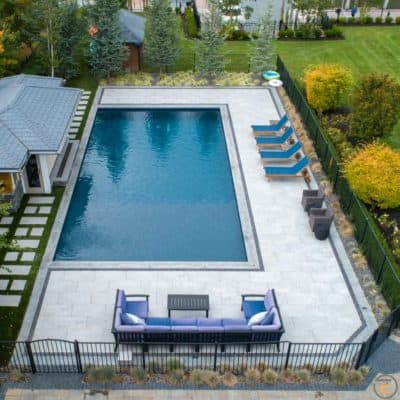
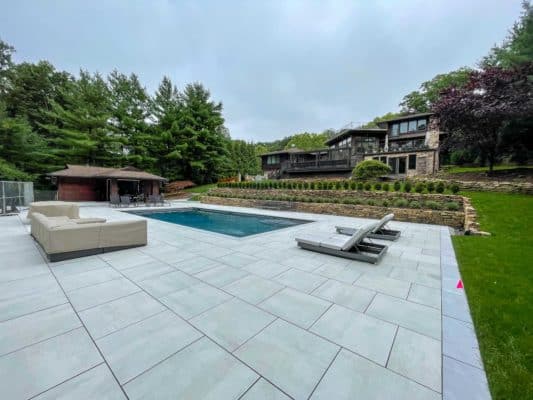
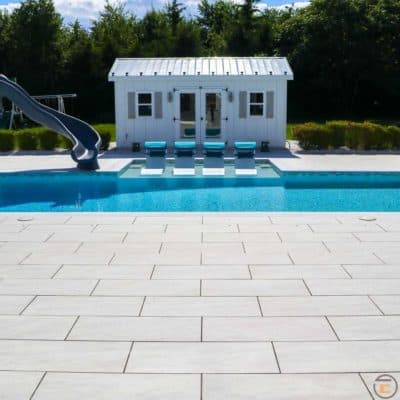
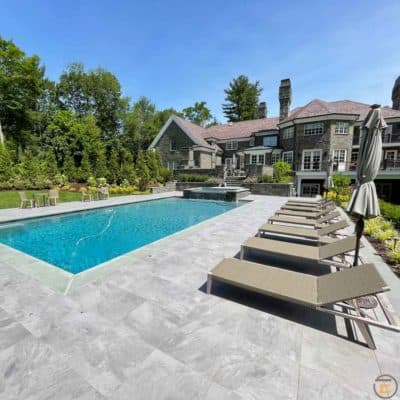
One of the best things about having a pool is being able to enjoy it during the hot summer months. But when it comes to choosing the right materials for your pool area, there are a lot of options out there. If you want something that looks elegant and will last for many years, then natural stone pavers are a great choice.
What are Natural Stone Pavers?
Natural stone pavers are pieces of stone that are cut into thin, flat slices. They are then used to create paved surfaces like driveways, sidewalks, and patios.
Why Choose Natural Stone Pavers?
There are a few reasons why natural stone pavers make a great choice for your pool area. First, they are very durable and can last for many years with proper care. Second, they have a unique look that will add beauty and value to your home. Third, they are easy to install and maintain.
In addition to being durable and beautiful, natural stone pavers have a few other benefits as well. They are slip-resistant, so you don’t have to worry about them becoming slick when wet. They are also easy to clean and maintain. And, if any of the pavers become damaged, they can easily be replaced without having to redo the entire area.
Types of Natural Stone Pavers
There are many different types of natural stone pavers to choose from. Some of the most popular options include:
Granite – Granite is a hard, durable stone that comes in a variety of colors. It is a good choice for high-traffic areas like driveways and pool decks because it can withstand a lot of wear and tear.
Slate – Slate is another durable option that is available in a range of colors. It has a smooth surface that makes it slip-resistant, which is ideal for pool decks.
Limestone – Limestone is a soft stone that has a wide range of colors. It is often used on driveways and sidewalks because it is very easy to maintain.
Sandstone – Sandstone is a softer stone that is available in a variety of colors. It is often used in landscaping because it is easy to work with and can be carved into different shapes.
Tips on Using Natural Stone Pavers Around Your Pool Area
Here are a few things to keep in mind when choosing natural stone pavers for your pool area:
Choose the right type of stone.
There are many different types of natural stone available, so it’s important to choose one that is suitable for your climate and will hold up well to pool chemicals.
Consider the size and shape of the pavers.
Natural stone pavers come in a variety of sizes and shapes. Choose ones that are the right size for your pool area and that will fit well with the surrounding landscaping.
Think about the pattern.
When laying the pavers, you can choose from a variety of patterns. The most popular options include the traditional brick pattern, a herringbone pattern, or a basket-weave pattern.
Get professional help.
If you’re not sure how to install natural stone pavers, then it’s best to hire a professional to do it for you. They will be able to ensure that the job is done correctly and that the pavers are properly sealed and maintained.
How to Install Natural Stone Pavers
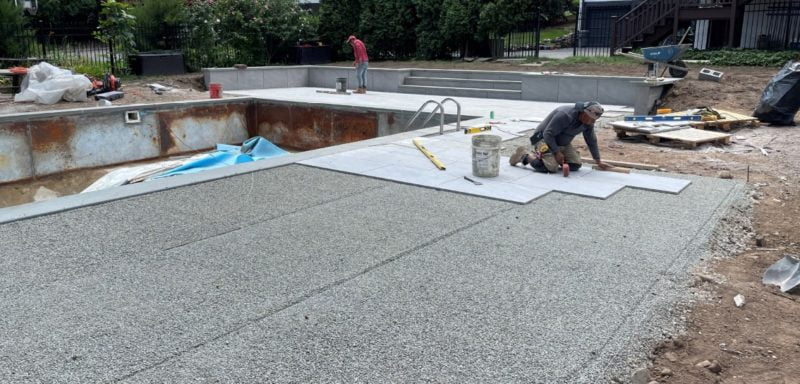
Installing natural stone pavers is a relatively simple process. First, you will need to excavate the area where you want to install them. Next, you will need to lay down a layer of gravel or sand for the pavers to sit on. After that, you can begin laying the pavers in your desired pattern. Once all of the pavers are in place, you will need to compact them with a plate compactor. Finally, you will need to fill any joints between the pavers with grout or sand.
Tips for Maintaining Natural Stone Pavers Around Your Pool Area
Once your natural stone pavers are installed, there are a few things you can do to keep them looking their best for years to come.
It’s important to sweep the pavers on a regular basis to remove any dirt or debris.
Hose them down with water periodically to keep them clean.
Seal the pavers every one to two years to protect them from stains and weathering.
Repair any cracked or chipped pavers as soon as possible.
Now that you know more about natural stone pavers, you can start planning your pool area makeover! If you need help installing the pavers, then be sure to hire a professional. With their help, you can have the beautiful and durable pool area that you’ve always wanted.
Outdoor Porcelain Pavers – Eliminate Your Fears and Doubts About Outdoor Porcelain Pavers
Choosing a material for outdoor porcelain pavers project can be a daunting experience. Whether you’re planning a walkway, pool deck, patio space, or a new driveway, there are many factors to consider when deciding the best kind of pavers for the setting.
Porcelain pavers have a contemporary upscale look that makes them ideal for both commercial and residential applications. They come in dozens of interpretations of textures, including wood, stone, and concrete. They can also be found in a wide range of modular shapes and sizes. They can always be customized according to specific project specifications, including large slabs for things like outdoor kitchen countertops and steps.
Porcelain pavers are one of the newer options on the market. While their popularity for decking, landscaping, and other outdoor applications has skyrocketed due to the many advantages they offer, there are still many misunderstandings and myths about them.
To help eliminate your fears and doubts about outdoor porcelain pavers, here are answers to the top ten questions regarding this popular and versatile material.
Porcelain pavers absorb practically no water, which protects them from cracking after freezing and thawing. Porcelain pavers are made of very hard and dense material fired at very high temperatures. While this makes them durable and long-lasting once installed properly, proper care must be taken during transport and installation to avoid cracking, breaking, and chipping.
The hard surface of porcelain pavers makes them highly resistant to scratches and abrasion, which helps them retain their original texture and aesthetic appeal for many years, especially compared to natural stone and concrete products.
Unlike natural stone and concrete, porcelain pavers are completely frost-free, even at temperatures as low as -60 degrees Fahrenheit. Their impervious surface means that de-icing salts and similar materials can be used on them without damage.
Some additional factors that set porcelain pavers apart from concrete and stone are that they allow very little to no water absorption and have a very high resistance to chemical and thermal shock. They have also been precision engineered for reduced breakage and can withstand loads of up to 2,200 lbs. (over one ton).
When porcelain pavers are correctly installed, they are highly durable and resistant to breakage. If one does break (which is highly unlikely), replacement is relatively painless.
Do Porcelain Pavers get Hot in the Sun?
If you’re planning to redesign a garden, pool deck, or another outdoor area that will be exposed to the hot sun in the summer months, porcelain pavers are a good choice for the job. They go through a specialized production process that offers a higher level of resistance to hot temperatures than other types of pavers.
Porcelain paving is put through a unique manufacturing process that uses a combination of particular elements to make the finished product weather- and UV-resistant. This means that when the weather gets hot, the paving won’t. It will remain safe to walk on, making it an ideal choice for families with young children and pets or those who like to host outdoor events in the summer.
Do Porcelain Pavers get Slippery When Wet?
If you’re looking for an ideal paver material for a pool deck, porcelain outdoor pavers have a slip-resistant feature that makes them a preferred material for the job. Porcelain tiles won’t become slippery or dangerous to walk on when exposed to water because the top surface has been structured to create a non-slip surface.
Unlike many stone pavers, such as quartz and granite, this non-slip feature makes porcelain pavers safe to use in other areas that could easily become slippery, such as walkways or areas exposed to sprinkler systems.
Do Porcelain Pavers Stain?
Unlike natural stone pavers, which absorb a significant amount of moisture, porcelain pavers have a compressive strength combined with ultra-low moisture absorption. This creates a very dense surface that’s stain-resistant and resistant to mold and moss growth. This feature allows them to retain their original appearance with very little maintenance required.
Porcelain pavers are designed to ward off all stains, including oil, red wine, and acid. Their original color never fades or gets discolored under any condition, and they never need to be sealed. Unlike natural stone, there is no color variation from unit to unit.
Unlike concrete pavers and natural stone, which may begin to show signs of discoloration after exposure to UV rays and weathering, the color in porcelain pavers has been fused through a vitrification process. This means that the color forms a liquified glass glaze that becomes an integral part of the surface. This makes the surface unaffected by the elements, so it won’t fade or become discolored even under the harshest sunlight and extreme weather conditions.
Are Porcelain Pavers Expensive?
The cost of porcelain pavers falls between the most inexpensive and the higher-end stones and concrete slabs available. Their long-lasting nature and low maintenance requirements make the lifetime cost of porcelain pavers very cost-effective.
Heavy-duty porcelain pavers generally cost $10 per square foot but can range between $5 and $15 per square foot. Comparatively, concrete pavers are on the lower end and typically have an average cost of $4 to $12 per square foot. On the higher end, natural stone can cost up to $30 per square foot.
Because of this wide range, it isn’t easy to give a precise estimate for a projected installation cost without speaking with a paving company. Compared with poured concrete, the concrete is technically the more inexpensive option per square foot. However, it’s essential to consider other factors. Although the upfront cost of porcelain pavers may be higher, they offer greater lifetime value and higher durability than poured concrete and stamped concrete.
Porcelain pavers are put through extremely high temperatures during the manufacturing process, making them stronger, denser, and more durable than natural stone. They have a glazed surface that’s fired at 1200 degrees Fahrenheit, which ensures a hard surface that’s resistant to wear.
Because of their superior strength, outdoor porcelain pavers are an ideal surface material for driveways, commercial areas, and areas with heavy foot traffic. Not only are they strong, but they’re also scratch-proof, resistant to abrasions, and frost-resistant, which provides reliable performance even in the coldest winter temperatures. Additionally, their density and low moisture absorption rate mean that salts and de-icing fluids won’t damage them.
One of the most popular myths about porcelain pavers is that they can’t be laid on sand. In fact, dry laying porcelain pavers on a sand and gravel base is the preferred installation method for most walkways, terraces, large patios, courtyards, and other landscape paving areas that are subject to moderate levels of foot traffic.
Porcelain pavers can be installed over any sand base, as long as the sand is compacted. This makes them ideal for patios and walkways in dryer climates. To install porcelain pavers over sand, the sand must be pre-compacted and struck off with a screed. It’s important to note that the sand cannot be dry compacted. It requires 5 to 6 percent moisture content for cohesive compacting and a smooth finish.
Are Porcelain Pavers Easy to Maintain?
Unlike natural stone pavers, porcelain pavers are very easy to clean and maintain. They can be cleaned with any standard household cleaner and, if needed, a low-pressure washing system. On the other hand, most natural stone pavers are much more sensitive to chemicals and usually require specific formulas for cleaning.
Thanks to their hardiness and weather resistance, it’s easy to clean porcelain pavers with just about any mild detergent. Simply mix liquid detergent with water, wipe the pavers clean, rinse with clean water, and brush the water away with a rubber broom or water pressure jet.
Do Porcelain Pavers Require Sealing?
In most cases, you don’t have to seal porcelain pavers. Unlike natural stone and concrete, porcelain pavers are virtually impenetrable by moisture thanks to their non-porous surface, which makes sealing unnecessary in most cases. However, it will be less likely to stain and easier to clean if sealed.
It’s important to note that polished porcelain pavers do require sealing. The polishing process these pavers are put through creates microscopic holes in their surface. Without sealing, grout and adhesive can become stuck in these holes during installation, producing a displeasing effect called grout haze.
Are Porcelain Pavers Suitable for Cold Climates?
Porcelain pavers are made of non-porous material, which means they absorb little to no moisture when used outdoors. This quality is helpful for those who live in climates where there’s a significant amount of rain or snow throughout the year. The non-porous nature of porcelain pavers also means they won’t crack when in freezing temperatures.
Porcelain pavers have weather-resistant qualities that make them ideal for use in any environment where temperatures drop below freezing. Porcelain pavers are an ideal option for outdoor spaces subject to harsh winter weather and freezing temperatures.
Though porcelain pavers require little winter maintenance, it’s a good practice to remove leaves, moss, and other debris from outdoor spaces with porcelain pavers. This is especially important if you have tile walkways to help reduce the likelihood of someone slipping in the rain, snow, or ice.
Porcelain pavers are ideal for various applications in both residential and commercial spaces. Contact us to find the perfect porcelain pavers for your outdoor design needs, whether you’re planning an entranceway, walkway, patio, terrace, pool deck, driveway, rooftop, or other outdoor design.