Posted on

Easy Porcelain Paver Maintenance: Essential Cleaning Tips

Porcelain pavers, the elegant kin of standard floor tile, have won the hearts of homeowners aiming to marry the aesthetic appeal of a porcelain patio with the enduring strength of hardscape products.

As they become go-to options for plush living spaces, understanding proper paver maintenance is key to preserving their beauty.

Unlike brick pavers, porcelain requires specific care tactics, from periodic cleaning to expert sealing, ensuring these surfaces withstand the elements and wear gracefully over time.

Whether facing the wrath of oil stains or the subtle onset of efflorescence, the right approach can keep your porcelain pavers as stunning as the day they were laid.

Keep reading for pocket-friendly maintenance tips that can ward off costly repairs and retain your paver’s pristine condition.

Understanding the Basics of Porcelain Paver Maintenance

Embarking on the journey to uphold the elegance of your outdoor living space begins with a sound understanding of your hardscape’s composition, particularly with porcelain patio areas.

Identifying the type of porcelain paver that adorns your garden, pool deck, or walkway serves as the initial step toward a tailored maintenance regimen.

Each paver brings a unique set of characteristics, influencing their water absorption levels, durability, and response to cleaning solutions.

Recognizing when your pavers call for attention allows you to act promptly—be it against stubborn oil stains or the subtle creep of efflorescence—ensuring the allure of your pavers remains undiminished through the seasons.

Identifying the Type of Porcelain Paver in Your Space

Investigating the particular variety of porcelain pavers within your landscape is akin to understanding the needs of a valued friend; it is the prelude to effective maintenance. A surefire way to start is by reviewing the packing list provided by the installer or conducting a quick search using a store locator for hardscape products, as this document details the paver’s specifications, be it bluestone, travertine, or an Elegance porcelain paver

Once you establish the type gracing your outdoor space, take note of key product information such as resistance to staining, load capacity, and recommended cleaning product. Porcelain paving makes for an ideal choice due to its low water absorption rate and minimal upkeep requirements, but even then, discerning the porcelain tile’s finish and texture guides you toward the most suitable cleaning and sealant options.

Recognizing Signs Your Pavers Need Maintenance

Constant exposure to the elements can leave porcelain pavers vulnerable to telltale distress signals, necessitating timely intervention. From blotches left by morning dew igniting the growth of mildew to the unsightly halos marking the presence of efflorescence, these visual cues are stark indicators that your paver surface yearns for care.

Vigilance in monitoring the changing appearance of your pavers is not only about beauty but also about longevity. Discoloration or paver shifting could be red flags pointing towards more severe underlying issues, such as a compromised paver base or joint sand erosion, warranting immediate assessment and corrective action.

Regular Cleaning Routines for Long-Lasting Pavers

Maintaining the pristine appearance and integrity of your porcelain pavers is a cornerstone of outdoor space management.

To ensure these elegant pieces endure, establishing a routine for systematic cleaning is crucial.

Tackling everything from the simplest dirt films to the most persistent alkali stains requires not just time, but also the apt selection of tools that address the nuances of porcelain paver care.

Let’s explore how incorporating both a consistent schedule and the appropriate implements can simplify the process, making the upkeep of your hardscape efficient and effective.

Scheduling Regular Cleaning Sessions

Embarking on a paver maintenance plan pivots around setting a rhythmic cleaning cadence. Like clockwork, designate intervals for light sprucing with a broom or garden hose, and reserve more thorough washes for seasonal tune-ups.

Seasonal shifts can dictate the frequency and intensity of your cleaning sessions. A paver patio summoned to life in spring benefits from a brisk rinse weekly, while autumn may call for an interlude with a power washer to dislodge fallen leaves and debris.

The Right Tools for Effective Porcelain Paver Cleaning

Embarking on the paver maintenance journey, one finds that selecting the right tools is not merely about convenience, but about safeguarding the structural integrity and aesthetic of the porcelain pavers. Power washers, when set at the appropriate pressure, serve as formidable allies against accumulated grime and can rejuvenate a paver surface with their robust capabilities.

For more targeted cleaning endeavors, such as tackling rust stains or oil spills, a dedicated cleaning solution applied with a stiff scrub brush will typically suffice. It’s crucial to choose a pH-neutral cleaner, like Lithofin or Fila cleaning products, that will gently yet effectively cleanse without harming the pavers or eroding the joint sand.


[embedyt] https://www.youtube.com/watch?v=Cis4KYKnSwQ[/embedyt]


Proper Techniques for Cleaning Porcelain Pavers

Porcelain pavers have become a staple for enhancing outdoor spaces, appreciated for their versatility and durability.

As these pavers grace areas from elegant patio pavers to chic pool decks, understanding proper care will extend their beauty and function.

Sweeping techniques designed to prevent scratches and the judicious use of gentle cleaning solutions are central to preventing damage and maintaining the paver’s distinctive look.

In the following segment, we’ll guide you through the essential steps to effectively clean your porcelain pavers, ensuring they remain a highlight of your hardscape design.

Sweeping Techniques to Prevent Scratches

Maintaining your porcelain pavers begins with the gentle art of sweeping. Use a soft-bristle broom to gently dislodge debris, ensuring the paver surface remains unscratched and polished looking. This simple but careful action helps preserve the integrity of your pavers by preventing abrasive particles from etching the surface over time.

To avoid scratches that can mar the porcelain’s sleek finish, opt for regular, light maintenance rather than allowing dirt to build up. Lightly sweeping on a daily basis wards off dirt accumulation and reduces the need for more aggressive cleaning techniques that could potentially damage the paver surface.

The Importance of Using Gentle Cleaning Solutions

Emphasizing the necessity for gentle cleaning solutions transcends mere aesthetics; it’s about the meticulous preservation of your porcelain paver’s integrity. Utilizing harsh chemicals or acid cleaners could swiftly degrade sealers and erode the surface, stripping away the beauty that these pavers add to your outdoor living space.

Opting for a pH-neutral cleaning product, like Deterdek or Lithofin specifically formulated for porcelain paving, means you’re providing the finest care without risking damage. This approach not only sustains the paver’s luster but also ensures that your cleaning efforts support a long-lasting and resilient hardscape.

Tackling Stains on Porcelain Pavers Without Damage

Porcelain pavers exude sophistication and provide an elegant foundation for any outdoor area, yet they occasionally fall victim to the occasional spill or blemish.

Knowing how to tackle different types of stains without harming the integrity of these durable yet delicate surfaces is essential for homeowners.

From oil spills that can leave a greasy shadow to rust stains that mar the surface with unsightly orange streaks, understanding the nature of the stain is just as important as the action taken to remove it.

This vital knowledge ensures that the selection of an appropriate stain remover is both effective and safe, preserving the beauty and longevity of your hardscape investment.

Identifying Various Stain Types

Different stains on porcelain pavers require specific approaches for effective removal. Recognizing whether you’re dealing with an organic mark, such as those caused by leaves, a rust stain from metal furniture, or the dark blotches of oil stains will dictate the best treatment strategy for your paver surface.

Organic stains typically manifest as discolored patches that can become more pronounced over time, while metallic stains like rust might present a stubborn challenge that can be exacerbated by certain cleaning agents. Acknowledging these variations is crucial in selecting a cleaning product that targets the stain without damaging the porcelain.

Selecting the Appropriate Stain Remover

Attentiveness to the particularities of each stain ensures that your porcelain pavers receive the best care. For example, lemon juice might be touted as a natural remedy, but when it comes to porcelain, a specialized stain removal product with clear guidelines, such as those provided on a datasheet, is often more suitable and effective.

Professional installers may suggest a product like FILA or Deterdek for handling tough stains on your pavers. If a stain proves stubborn, do not hesitate to request an estimate from a professional cleaning service that specializes in paver care, ensuring that the use of their expertise preserves the beauty of your hardscape without undue harm.

Maintaining the Shine: Tips for Glossy Finishes

Maintaining the vibrant gleam of your porcelain pavers isn’t just a testament to cleanliness; it radiates the meticulous care you invest into your outdoor space.

A glossy finish on porcelain pavers acts as the crowning touch that can transform your area from simply neat to stunningly elegant.

Buffing is an invaluable step in this maintenance process, enhancing the shine and bringing out the rich textures of your pavers.

It hinges on the careful balance between gentle touch and effective technique to amplify the natural allure of your hardscape without inflicting wear and tear.

Buffing to Enhance Porcelain Paver Shine

Buffing is a key technique in promoting the radiant luster of your porcelain pavers. When executed with a soft cloth and the proper gentle but effective motion, it brings out the paver’s sheen, highlighting the intricate patterns and sophisticated hues of the porcelain.

Using the right sealant plays a crucial role in this process, acting as a barrier that both protects and enhances the paver’s natural glossiness. A maintenance tip to remember is to always check the efficiency and compatibility of sealers with your particular paver finish to ensure the results are both striking and long-lasting.

Preventative Measures to Protect Porcelain Pavers

Preserving your porcelain pavers’ beauty and durability involves proactive steps beyond routine cleaning.

Optimizing your outdoor living space for longevity starts with implementing practical safeguards, such as introducing mats at high-traffic entrances or employing furniture protectors to mitigate abrasions.

Moreover, understanding the essential role that sealants play in creating a defensive layer against the elements highlights their importance in paver protection.

Leveraging these strategies not only minimizes wear and tear but also extends the period between intensive maintenance endeavors, ensuring your porcelain pavers retain their functionality and visual appeal.

Utilizing Mats and Furniture Protectors

Integrating mats at pivotal points around your porcelain pavers acts as the first line of defense, effectively trapping debris before it can scratch or mar your elegant flooring. Similarly, furniture protectors slide beneath the table and chair legs to diffuse the weight and prevent unsightly scraping against the paver’s surface.

These simple yet strategic measures, employing both mats and protectors, serve to maintain the pristine condition of your paving stones. They act as a buffer between heavy foot traffic or furniture and the pavers, ensuring the surface remains unblemished and welcoming for years to come.

The Role of Sealants in Paver Protection

The strategic application of a sealant offers a powerful shield for your porcelain pavers, repelling stains and minimizing damage from harsh weather conditions. This protective layer inhibits water absorption and deters the penetration of pollutants that can lead to discoloration and deterioration of the paver surface.

Applying the right sealer, tailored to the specific needs and material of your porcelain patio tiles, not only preserves the vibrant appearance of your pavers but also reduces the frequency of deep cleaning cycles. As a result, pavers stay in impeccable condition, maintaining the allure and functional integrity of your outdoor oasis.

Seasonal Care Advice for Porcelain Pavers

As the seasons unfold, your porcelain pavers will experience a variety of weather conditions that can impact their appearance and longevity.

A smart maintenance plan adapts to these seasonal changes to ensure that your pavers remain in pristine condition all year round.

Whether it’s the vibrant flush of spring or the frosty embrace of winter, understanding how to adjust your maintenance strategies can make all the difference in preserving the sleek elegance and durability of your outdoor paving.

In this section, we’ll guide you through specific tips and techniques to tailor your porcelain paver upkeep to the changing seasons.

Adjusting Your Maintenance Plan for Different Seasons

Your porcelain pavers’ needs vary with the turning of the seasons, shifting as the weather does from sweltering summers to frigid winters. Embrace the onset of spring by clearing away winter’s harsh remnants with a gentle but thorough cleaning, prepping the surface for the return of outdoor activities and entertainment.

As the chill of autumn beckons, prepare your porcelain for winter’s looming frosts by ensuring a power wash and applying a fresh coat of sealer, to defend against ice and snow which might otherwise seep into and crack the pavers. Adapting your maintenance practices to these cycles will keep your pavers resilient and vibrant, year after year.


Dealing With Mold and Mildew on Outdoor Pavers

Outdoor living spaces, no less than our cozy interiors, deserve meticulous attention, especially when it comes to addressing uninvited guests like mold and mildew that tend to take refuge on porcelain pavers.

Not only do these fungal growths detract from the impeccable appearance of your pavers, but they can also present a slippery hazard underfoot.

Tackling these blemishes head-on not only revitalizes the look of your pavers but also restores the safety and hygiene of your outdoor nooks.

In the upcoming discussion, we’ll explore homemade solutions that can help homeowners effectively combat and remove mold and mildew, ensuring their porcelain pavers continue to contribute to a clean and attractive outdoor ambiance.

Homemade Solutions for Mold and Mildew Removal

Combatting those problems on porcelain pavers doesn’t necessarily mean reaching for chemical concoctions; often, the simplest solutions lie within your pantry. A mixture of dish soap and warm water can act as a gentle yet effective solution to break down and wash away these unsightly growths without harming the integrity of the pavers.

For those stubborn areas where mildew clings persistently, applying a solution of diluted vinegar with a sprayer and a dash of elbow grease can do wonders. The natural acidity helps to neutralize mildew, restoring the paver surface to its original, clean state while being eco-friendly and easy on the wallet.

Occasionally Deep Clean for Pristine Pavers

As the centerpiece of your vibrant outdoor living space, porcelain pavers give a touch of grandeur that is both eye-catching and comfortably functional.

Yet, to maintain the sumptuous look and ensure longevity, an occasional deep clean is pivotal.

This intense cleaning goes beyond regular upkeep, addressing accumulated dirt and discolorations that can detract from your refined hardscape.

In this section, we discuss the optimal timing and the most effective methods for a deep cleaning that will rejuvenate your porcelain pavers, restoring their original splendor without compromising their quality.

When and How to Perform Deep Cleaning of Porcelain Pavers

As the seasons change, your porcelain pavers may show signs of needing a more thorough cleaning beyond the usual sweep or hose down. Ideally, set aside time either before winter sets in to minimize freeze-thaw damage or as spring dawns to wash away winter’s toll, opting for a deep clean that revitalizes your pavers.

Begin with a power washer on a moderate setting, carefully washing away grit without eroding grout or paver surfaces. Follow up with a pH-balanced cleaning agent applied via a sprayer, allowing it to settle for a few minutes to break down stubborn stains, then scrub with a gentle brush and rinse to reveal a porcelain patio that gleams like new.

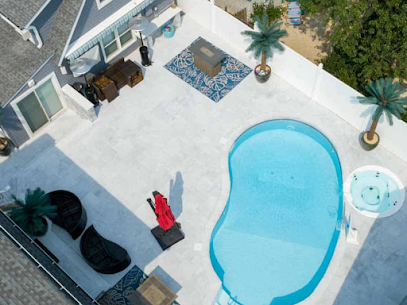
the image shows clean porcelain paver maintenance around a pool.

Frequently Asked Questions (FAQ) on Porcelain Paver Cleaning

1. Initial Cleaning Post-Installation

What specific steps should be taken to clean porcelain pavers right after they are installed?

Immediately after installation, it’s crucial to use a high-quality porcelain cleaner to remove any grout haze. This step is vital in paving projects to ensure the longevity and aesthetic appeal of the pavers. A gentle scrub brush can be used to softly work the cleaner into the pavers, especially important in areas under pergolas or other shaded areas where residue might be more stubborn. This initial cleaning sets the stage for a successful paver project, ensuring a clean and attractive finish.

2. Routine Maintenance

What are the recommended daily or weekly cleaning practices for porcelain pavers?

For routine maintenance of porcelain paving tiles, sweeping to remove detritus and washing with a mixture of water and a mild detergent is recommended. This regular cleaning helps maintain the pavers’ appearance and prevents the buildup of materials that could affect the sand base beneath the pavers. Regular maintenance is key in mitigating the heat island effect in urban areas, ensuring that the paving area remains an inviting and comfortable space.

3. Dealing with Tough Stains

How can you effectively remove stubborn stains like rust, oil, or paint from porcelain pavers?

For tough stains, specialized cleaners such as degreasing agents are necessary. These products are designed to tackle difficult stains without damaging the brickwork or the integrity of the porcelain pavers. Using a scrub brush, apply the cleaner gently but firmly to lift the stains. This process is crucial in maintaining the aesthetic of your paving project, ensuring that the pavers look pristine for years to come.

4. Preventing Damage During Cleaning

What cleaning materials or chemicals should be avoided to prevent damaging porcelain pavers?

It’s important to avoid abrasive products and harsh chemicals that can scratch or discolor porcelain pavers. Instead, opt for gentler cleaning solutions and tools like soft brushes or cloths. This approach not only preserves the look of the pavers but also extends their lifespan, ensuring that your paving project remains a highlight of your outdoor space.

5. Cleaning Solutions for Stain Removal

What are the best cleaning solutions for different types of stains on porcelain pavers?

For organic stains, a mild detergent is usually sufficient. For more challenging stains, like oil or grease, a degreasing solution is recommended. These solutions should be applied with a scrub brush, working in a circular motion to lift the stain without damaging the surface. This careful cleaning process helps maintain the integrity and beauty of your porcelain paving tiles.

6. Safety Concerns

How can you ensure that porcelain pavers remain non-slippery, especially when wet, during and after cleaning?

To maintain the non-slip properties of porcelain pavers, especially in areas prone to moisture like near stormwater systems, it’s important to use non-oil-based cleaners and to rinse the pavers thoroughly after cleaning. This ensures that the surface remains safe to walk on, even when wet, and preserves the functional aspect of your paving project.

7. Eco-Friendly Cleaning Options</h3>

Are there any eco-friendly cleaning methods or products recommended for porcelain pavers?

Eco-friendly options like diluted vinegar or baking soda solutions are effective for general cleaning and are safe for the environment. These natural solutions are particularly beneficial in areas like Lowcountry settings, where preserving the natural environment is crucial. They offer a gentle yet effective way to maintain the beauty of your porcelain pavers without harming the surrounding ecosystem.

8. Seasonal Cleaning Tips</h3>

Does the approach to cleaning porcelain pavers change with different seasons or weather conditions?

Yes, seasonal changes require different cleaning approaches. In winter, frequent cleaning may be needed to remove salt or de-icing chemicals, which can be harsh on the pavers. In autumn, regular removal of leaves and other organic debris is important to prevent staining and maintain the aesthetic of your paving project. Adapting your cleaning routine to the seasons ensures the longevity and beauty of your porcelain pavers.

9. Professional Cleaning Advice

When is it advisable to seek professional help for cleaning porcelain pavers?

Professional cleaning is recommended when pavers are heavily stained or discolored, or if you’re unsure about the appropriate cleaning method. Professional cleaners have the right tools and knowledge, such as power washers and specific restorers, to tackle tough jobs without damaging the pavers. This is especially important for intricate projects involving detailed brickwork or unique patterns.

10. Long-Term Care

What are the long-term maintenance tips to keep porcelain pavers looking new for years?

Long-term care includes regular cleaning, prompt stain removal, and avoiding harsh chemicals. Additionally, resealing the grout lines every few years can help maintain the pavers’ appearance. For areas with heavy foot traffic or exposure to elements, consider using sealants or waterproofing solutions to protect the pavers. This proactive approach ensures that your porcelain pavers remain a durable and attractive feature of your outdoor space.

11. Removing Organic Stains

How should stains from organic materials like leaves, wine, or coffee be treated on porcelain pavers?

Organic stains can usually be cleaned with a mild detergent and water. For persistent stains, a stronger cleaning agent may be required. It’s important to address these stains promptly to prevent them from setting in, especially on lighter-colored pavers. Regular cleaning helps maintain the pristine condition of your porcelain paving tiles, keeping them free from unsightly blemishes.

12. Dealing with Water Marks

What is the best way to handle water marks or mineral deposits on porcelain pavers?

Watermarks or mineral deposits can be gently dissolved and removed using a vinegar solution. This method is particularly effective for areas exposed to hard water or near water features. Regular cleaning with this solution can prevent the buildup of deposits, keeping your pavers looking clean and new.

13. Pressure Washing Guidelines

Is pressure washing safe for porcelain pavers, and if so, what are the guidelines to follow?

Pressure washing is safe for porcelain pavers when done correctly. Use a gentle to medium setting to avoid damaging the grout or the surface of the pavers. Pressure washer method is particularly effective for large areas or for removing tough stains and buildup. However, it’s important to follow the manufacturer’s guidelines and to test a small area first to ensure that the pressure setting is appropriate.

14. Restoration Techniques

If porcelain pavers have lost their luster or are heavily stained, what restoration techniques can be used?

For heavily stained or dulled pavers, professional deep cleaning and resealing can restore their appearance. In some cases, a surface treatment or refinishing may be necessary. These restoration techniques are particularly useful for older paver projects or those that have been exposed to harsh environmental conditions. Professional restorers can bring back the original shine and color of the pavers, making them look as good as new.

15. Preventative Measures

What are some preventative measures to reduce the frequency of deep cleaning for porcelain pavers?

Regular sweeping, prompt stain removal, and avoiding abrasive materials can greatly reduce the need for deep cleaning. Additionally, using mats at entry points can minimize the amount of dirt and debris brought onto the pavers. For areas prone to heavy use, such as near asphalt pavers or in commercial settings, more frequent cleaning may be necessary to maintain the appearance and safety of the porcelain pavers.

16. Using Muriatic Acid for Cleaning Porcelain Pavers

How can muriatic acid be used to clean and restore the shine of porcelain pavers?

Muriatic acid is a powerful cleaning agent that can effectively remove tough stains, mildew, and mineral buildup from porcelain pavers. Here are the steps and safety tips for using muriatic acid:

  • Prepare the Area: Clear the space, remove furniture and decor, and protect nearby plants with plastic sheeting.
  • Gather Supplies: You’ll need muriatic acid, a plastic spray bottle, a bucket, rubber gloves, eye protection, a scrub brush, a hose, baking soda, and a neutralizing solution if necessary.
  • Dilute the Muriatic Acid: Mix 1 part muriatic acid with 10 parts water (or as per manufacturer’s instructions) and pour it into the spray bottle.
  • Apply the Solution: Spray the diluted acid on the pavers, covering all stained areas, and let it sit for 15-20 minutes.
  • Scrub and Rinse: Gently scrub the pavers with a brush and then rinse thoroughly with water.
  • Neutralize if Needed: If there’s a strong acid smell, neutralize the pavers with a baking soda and water solution, followed by another rinse.

Safety Tips:

  • Always wear gloves and eye protection.
  • Avoid skin contact and rinse immediately if contact occurs.
  • Do not mix muriatic acid with other cleaning agents.
  • Keep children and pets away during the cleaning process.

Frequency of Cleaning: It’s generally recommended to clean porcelain pavers with muriatic acid once a year, or more frequently if there’s excessive staining or buildup.

For more detailed information, visit the article on Elegance.

Conclusion

Maintaining porcelain pavers is crucial for preserving their elegance and durability in your outdoor space. By identifying your paver type and adopting a regular cleaning schedule with the right tools and pH-neutral solutions, you can effectively address different stains and prevent damage.

Occasional deep cleans and the use of mats, furniture protectors, and sealants act as preventive measures to extend the life of your pavers. Adapting maintenance to seasonal changes also ensures year-round protection. With these easy care and cleaning tips, you can keep your porcelain pavers looking pristine and welcoming for years to come.

Ready to Elevate Your Outdoor Space? Visit Elegance for a wide range of high-quality porcelain pavers and expert advice on installation and maintenance. Whether you’re embarking on a new project or looking to rejuvenate your existing outdoor area, Elegance has everything you need to create a stunning and long-lasting outdoor environment. Explore our collection today and transform your space with elegance and style.


Posted on

Step-by-Step Guide to Installing Marble Pavers on Different Substrates

Installing marble pavers can dramatically enhance the exterior beauty of your home.

Whether you’re laying a stunning pathway, creating a sophisticated pool deck, or giving your driveway a touch of elegance, the process of installation can seem a little daunting.

With the right preparation, materials, and understanding of the different substrates—like sand, mortar, and concrete—you can achieve a flawless, long-lasting result.

From timeless travertine to stylish Calacatta Gray marble tiles, every stone has its unique charm and benefits.

Keep reading as I guide you through every step of the process, demystifying the art of marble paver installation.

Key Takeaways

  • Marble Pavers Add Aesthetic Appeal and Durability to Outdoor Living Spaces Such as Pool Decks and Driveways.
  • The Installation Process of Marble Pavers Involves Choosing the Right Kind of Marble Stone, Organizing Delivery, and Understanding the Specific Method for Installation Based on the Substrate.
  • Marble Pavers Are Durable and Resistant to Salt Water, Making Them Ideal for Use Around Swimming Pools.
  • The Installation Process of Marble Pavers Varies Depending on the Substrate, Including Sand Base, Mortar Bed, or Concrete Base.
  • Proper Care and Maintenance, Such as Regular Cleaning and Sealing, Are Essential for Preserving the Beauty and Longevity of Marble Pavers.

Introduction

marble stone by elegance NT Trading in New Jersey


There is nothing quite like the classic elegance of marble pavers. When it comes to transforming ordinary living spaces, marble stone brings a touch of refined taste. Be it for your pool deck, driveway, or walkway, marble pavers add not only aesthetic appeal but also durability to your hardscape.

The installation process of marble pavers is a bit more nuanced than using a standard brick paver or porcelain paver. From customer service support on choosing the right marble tiles like Carrara or Travertine to receiving side delivery of your order, the journey starts even before arriving at the job site. But don’t fret as I will guide you on this exciting pathway:

  • Deciding on the right kind of marble stone.
  • Taking care of the order sample, SKU, and other points with a trusted company like NT Trading.
  • Organizing a time and place for side delivery, ensuring a smooth arrival of the building material at your job site.
  • Understanding the specifics of the methods based on the substrate, may it be sand base or cement look.

Before starting the installation, some preparation is needed. Choosing the right sealer to protect your marble pavers from the elements and pool size, if you’re installing pool coping, are part of this crucial pre-installation process. It’s also important to note that any veining in the stone is natural and part of the design ideas that make each marble paver unique.

While this guide will focus primarily on marble pavers, the recommendations apply also to other materials such as travertine pavers, porcelain tile, limestone pavers, and porcelain slabs. Whether you’re in Northern New Jersey or South Florida, you can count on this guide to help add a touch of natural stone beauty to your dream house. So let’s get started!

The Timeless Beauty of Marble Pavers

The beauty of the marble pavers near New Jersey

I can’t begin to describe the timeless beauty embedded in each marble paver. From the unique veining to the spectrum of colors it offers, marble stone is a favorite for both indoor and outdoor projects. It seamlessly fits into contemporary, rustic, or traditional design ideas, expanding the possibilities for transforming your living spaces.

One of the noteworthy advantages of marble pavers is their durability. These natural beauties can withstand varied weather conditions, be it ocean blue skies or a regular day in Hawthorne. The surface plaster-hard exterior is well-complemented by pleasing aesthetics, making it an all-around choice for hardscapes such as driveways, pool decks and even stepping stones.

Another remarkable characteristic of marble pavers is their resistance against a saltwater generator (SWG), which is often used in swimming pools. The pool math gets easier when you opt for marble stone for pool coping or as pool tiles for the waterline. You’ll find it’s worth every penny for a long-lasting, sky-blue swimming pool that blends harmoniously with your dream house.

Finally, the Pleasanton touch of marble pavers extends beyond mere aesthetics. With proper installation and maintenance, they provide a safer, non-slippery surface for wet areas like pool decks and shower corner shelves the pool tile. Whether opting for a 24×24 or x48 size, marble pavers, and marble thickness specialty can help elevate the safety and function of your spaces, giving true meaning to the phrase ‘functional elegance’.

Different Installation Methods for Marble Pavers

Installation process of marble pavers.

Marble paver installation depends heavily on the substrate you’re working with. The broad categories we will look at here include sand, mortar, and concrete. Each requires a unique set of tools, techniques, and a detailed understanding of the installation process.

When installing over a sand base, we lay an edge restraint for the pavers first. After leveling out the sand, we then place the pavers on top, taking care to ensure a uniform distance between each paver with a spacer for perfect alignment. Applications where the sand base is a good option typically include patios, walkways, and driveways.

Moving on to a mortar bed, this is generally used in interior installations like hallways or bathrooms, and for exterior vertical installations like wall tile or cladding. Before laying on the mortar, I use pedestals or paver pedestals to ensure leveling. A mixture of thin-set mortar is used, typically resulting in a stronger bond between the paver and the substrate.

Lastly, for a concrete installation, we would usually use a cement look. After the concrete slab is ready, we lay the marble pavers directly on the concrete, with the help of a thin-set adhesive specifically for marble pavers. This is common for outdoor installations where a solid, durable base is preferred.

Installing Marble Pavers on Sand Substrate

Marble pavers on sand substrate

When installing marble pavers over a sand base, the first step is preparing the base itself. It’s essential to start with a compact layer of crushed stone. Once this layer is set, I spread a layer of sand on top, aiming for an even surface.

To ensure that the pavers sit perfectly level, the next step in the process involves setting an edge restraint. This restraint’s function is to hold the shape of the pavers. For an extra touch of attention, I frequently use an automatic level to keep everything as balanced as possible.

We then move on to laying the pavers. This step can be compared to piecing together a jigsaw puzzle. Each marble paver is carefully placed on the sand and aligned using a spacer for that perfect distance from its neighbor. Remember, a proper layout is important to prevent uneven spacing.

Once all the pavers are in place, I spread another layer of sand over the top and sweep it into the joints. This helps lock the pavers in place and provides a more finished look. Finally, a gentle mist of water helps to settle the sand, completing the sand installation process of your marble pavers.

Placing and Aligning the Marble Pavers on the Sand

Placing marble pavers on sand can be both an art and a science. As a professional, I always ensure that each paver is placed with precision. This entails not just dropping them on the sand base but carefully setting each one down.

Alignment of the marble pavers is the next crucial step. This is where your spacer becomes your best friend. Each paver should be evenly spaced from the others, ensuring a uniform look and preventing future shifting. Remember, a fraction of an inch off in the beginning can result in a significant error by the end.

There’s a unique satisfaction in seeing the marble pavers come together. Each piece aligns to form a beautiful pattern of natural stone elegance. Some prefer to work from the center outward while others prefer starting from a corner. It’s all about what works best for the design and dimensions of your space.

I cannot emphasize enough the importance of patience and care during this process. You might feel the urge to rush, but remember: your marble pavers aren’t just building materials. They’re stepping stones to transforming your living space. Take your time, adjust as needed, and rejoice in the beauty that comes to life with each paver you place.

Installing Marble Pavers on Mortar Substrate

Installing marble pavers on a mortar substrate is different from a sand base. While in principle it follows the same concept of preparing the base, leveling, and aligning the pavers, working with mortar adds another layer of complexity. Yet the end result is often a stronger bond between the paver and the substrate.

Preparation begins with setting a concrete slab. Once the slab is ready, I apply a layer of mortar mix. The consistency and thickness of the mortar play a big role in the success of this stage. It should have the right consistency and be evenly spread on the concrete slab, meeting the required standards.

The next step involves using paver pedestals. These pedestals help to ensure that each marble paver is placed level on the mortar. The following table details the main steps involved in this installation method:

StepsDescription
Prepare the Concrete SlabRemove any debris and clean the surface thoroughly.
Apply the Mortar MixSpread evenly, ensuring the right consistency and thickness.
Set Paver PedestalsPlace these for leveling before setting the marble pavers.
Position the PaversAlign each paver at an equal distance using spacers.
FinishWipe excess mortar and ensure all pavers are securely set.

After all the marble pavers are successfully set and aligned, the final step is to remove any excess mortar from the surface. Once the mortar has completely dried, you’re left with a beautiful and sturdy installation. This method gives more longevity and durability, especially for indoor installations where strength is just as important as aesthetics.

Setting the marble pavers into the mortar bed

Setting the marble pavers into the mortar bed begins once the mortar mix is ready and the paver pedestals are set in place. This phase requires precision to ensure the correct alignment and level of each paver. Remember, a job well done at this step significantly impacts the final look and longevity of your project.

The marble pavers are placed one by one onto the mortar bed. Spacers are used to ensure that each paver is at an equal distance from the next. Paying attention to lines and patterns is crucial here, much like painting a beautiful picture, one stroke at a time.

As each paver is set in place, I apply gentle pressure to make sure it sets well into the mortar. This doesn’t just require physical strength but a careful hand. Keeping a keen eye on the alignment and level is key to a successful installation. Here are the main steps involved:

  • Apply the mortar mix evenly over the prepared area.
  • Set paver pedestals to help ensure a level base.
  • Place the marble pavers carefully onto the mortar, one at a time.
  • Use spacers to keep an equal distance between each paver.
  • Apply gentle pressure on each paver to ensure it sets properly into the mortar.

The setting process continues until all the marble pavers have been placed and aligned. Finally, a preliminary cleaning of the surface ensures no excess mortar remains on the pavers. A little patience, precision, and care will result in a beautifully installed marble paver surface that not only enhances visual appeal but also adds value to your property.

Installing Marble Pavers on Concrete Substrate

a person carefully aligns and sets marble pavers on an even concrete surface using adhesive and spacers.

If you’re considering installing marble pavers on a concrete substrate, I have some noteworthy insights to share. This requires a different approach as compared to sand or mortar substrates. The primary difference lies in the use of a concrete base instead of sand or mortar.

We start by preparing the concrete slab, ensuring that it is clean and even. The slab serves as a solid base on which the marble pavers will be set. It’s essential to prevent any line or level deviations that could negatively impact the end result.

Next, I use a thin-set type of adhesive, specially formulated for marble paver installation on concrete. The thin set is applied evenly over the concrete before setting the pavers. Pay close attention to the following steps for a successful installation:

  • Prepare the concrete slab by cleaning and leveling.
  • Apply the adhesive evenly over the concrete slab.
  • Set each paver into the adhesive, using spacers to maintain equal distances between each one.
  • Ensure the marble pavers are properly aligned and level across the entire surface.

Upon completing these steps, the hard task of waiting begins. The adhesive needs to dry thoroughly before any weight is applied to the pavers. It’s worth noting, however, that the outcome is definitely worth the wait. Whether it’s a driveway, pool deck, or patio, marble pavers on concrete offer a durable, appealing, and long-lasting solution.

Preparing the Existing Concrete Surface

Preparing the existing concrete surface is the very first step in the process of installing marble pavers on the concrete substrate. It’s the foundation of the project, impacting everything that follows. Therefore, the work must be done thoroughly and carefully.

The surface must be clean and free of debris. Leaving dirt or other particles on the surface before applying the adhesive could prevent it from correctly bonding with the marble pavers. It’s not just about sweeping – but using high-pressure water or a concrete cleaning solution to ensure a pristine surface.

Another critical aspect to check is the surface level. Any uneven areas on the concrete slab might translate into misaligned pavers. To avoid this, I use a long, straight edge to detect any dips or bumps and then correct them as necessary.

I like to stress that an excellently prepared surface sets the stage for a successful installation. The efforts in this stage pay off when you witness a smoothly installed set of marble pavers transforming your area, blending functionality and ornamental appeal in perfect harmony.

Adhering the Marble Pavers to the Concrete with Mortar or Adhesive

Marble Pavers to the Concrete with Mortar or Adhesive

Adhering the marble pavers to the concrete is a vital step in the installation process. For this, I use an adhesive that works best with marble and concrete, known as thin-set adhesive. This specific adhesive forms a strong bond between the marble and the concrete slab, ensuring a durable installation.

The process starts by spreading a layer of thin-set adhesive evenly over the prepared concrete surface. A great tip to remember is to spread enough adhesive that can be covered with pavers within a 30-minute window. This prevents the adhesive from drying out before the paver is set in place.

Next, I place each marble paver onto the adhesive layer, using a spacer to maintain an even distance between each paver. It’s like piecing together a puzzle, but the satisfaction of seeing a symmetrical design come together is truly rewarding.

As each paver is set into the adhesive, I adjust as necessary to ensure they are leveled out. The technique involves applying gentle pressure to set the paver in place properly. Once all the pavers are aligned and adhered to, it’s time to sit back and watch the magic happen as the whole area transforms beautifully.

Tips for Maintaining and Preserving the Beauty of Marble Pavers

Marble pavers, once installed, don’t merely beautify your spaces but also increase the value of your property. However, preserving their beauty needs a certain amount of care and maintenance. While marble is durable, proper upkeep will ensure the long-lasting aesthetic appeal of your hardscape.

One of the critical steps in preserving the beauty of marble pavers is routine cleaning. Just like any other surface, dust and grime can accumulate over time. A gentle yet thorough cleansing using warm water and mild soap helps to maintain the shine. Avoid using harsh chemicals as these can tarnish the natural beauty of your stone.

Sealing the marble pavers is another essential step in maintenance. A quality sealer helps protect the marble from stains, etching, and weathering. Given that every stone has unique porosity, select a sealant that is best suited for marble. Regular sealing, usually every 3-5 years, can be very beneficial in prolonging the paver’s life span.

In the case of any chips or cracks, swift repairs can prevent further damage. If you’re not confident about doing this yourself, consider reaching out to a professional. Knowledgeable customer service teams are often just an email address or a phone call away. Properly caring for your marble pavers will ensure they remain a stunning feature of your property for years to come.

Final Thoughts on Installing Marble Pavers on Different Substrates

Installing marble pavers can significantly transform both your indoors and outdoors, making a stunning difference. Whether it’s on a driveway, a pool deck, a patio, or an interior hallway, the various types of substrates, including sand, mortar, and concrete, provide diverse options to suit your specific needs. The choice you make today will have a lasting impression on your property.

Each substrate requires a unique method for installation tailored to maximize its strengths and benefits. Whether it’s the flexibility and natural look of a sand base, the strong bond of a mortar substrate, or the durability of a concrete base, the right choice of substrate will help maximize the lifespan of your marble pavers.

As a professional, my goal is to help guide your decision-making process, ensuring you understand the installation process for each substrate. The journey is as important as the destination. The time and attentiveness you invest in the installation process directly reflect the final outcome.

Finally, remember that while marble pavers are a beautiful choice, they require proper care and maintenance to keep their elegant look intact over the years. But with the right care and consideration, your marble pavers can remain a captivating feature of your home, making a world of difference to your dream house.

The Most Asked Questions

Are marble pavers slippery when wet?

Marble pavers, like any other type of natural stone or concrete pavers, can become slippery when wet. The smooth surface of marble, in particular, may pose a risk of slipping and falling, especially in areas that are prone to moisture or water accumulation. However, there are ways to mitigate the slipperiness of marble pavers. One effective method is to choose marble pavers with a textured or non-slip surface. These types of pavers are specifically designed to provide better traction, even when wet. Additionally, regular maintenance and cleaning are crucial to ensure that the pavers remain safe and slip-resistant. It is recommended to use non-slip cleaning products and avoid using high-gloss sealers, which can enhance the slipperiness of the surface.

Finally, ensuring proper drainage and angling the pavers appropriately can help prevent water from pooling and reduce the risk of slipping. It is essential to consider these factors when choosing marble pavers for areas that are frequently exposed to moisture or water, such as pool decks, patios, or walkways.

Are marble pavers durable?

Marble pavers are known for their durability, making them a popular choice for outdoor spaces. These pavers are tough and robust, able to withstand heavy foot traffic, extreme weather conditions, and the test of time. The durability of marble pavers is mainly due to the strong composition of the marble itself. Marble is a dense and hard material that is resistant to chips, cracks, and scratches. It is also less likely to fade or lose its luster over time, providing a long-lasting solution for any outdoor application. Additionally, marble pavers are typically sealed to enhance their durability even further, making them more resistant to stains, moisture, and other potential damages.

However, it is important to note that the durability of marble pavers may vary depending on factors such as the quality of the stone and the installation method. Therefore, it is essential to source high-quality marble pavers and hire a professional installer to ensure the best results and maximize their durability. Overall, when properly installed and maintained, marble pavers prove to be a durable and reliable option for outdoor flooring.

How to clean marble pavers?

Preserving the beauty and lifespan of marble pavers requires regular cleaning. Start by clearing debris with a broom or leaf blower. Mix warm water with a marble-friendly, pH-neutral cleaner in a bucket. Steer clear of acidic or abrasive solutions that can harm marble. Using a soft brush or mop, scrub the pavers lightly, focusing on dirtier spots. After cleaning, rinse thoroughly to eliminate soap traces, either with a hose or a low-pressure washer. Dry the pavers with a towel or let them air-dry, and avoid walking on them until they’re dry. To shield against future stains, consider applying a marble sealant, following the product’s guidelines. Regular upkeep and sealing will keep marble pavers in top condition.

Where can I find white marble pavers?

If you’re in the market for white marble pavers, there are several places you can look to find the perfect ones for your project. One of the first places to start your search is at local stone suppliers or stone masons in your area. These professionals often have a wide selection of marble pavers and can offer expert advice on choosing the right ones for your needs. Additionally, home improvement stores and garden centers may carry white marble pavers in their outdoor or landscaping sections.

Another option is to explore online retailers and wholesalers that specialize in natural products. These websites typically have a vast array of marble pavers to choose from and can conveniently ship them directly to your doorstep. Furthermore, don’t forget to check out trade shows and expos dedicated to construction and landscaping, as these events often feature vendors that offer a variety of marble pavers, including white ones. Find the Elegance by NT Trading at 2023 Boutique Design New York Booth #3122 for the best white marble pavers between November 12-13 2023.

Where can marble rock be found?

One of the most iconic sources of marble is Italy, especially the Carrara region, which has been a marble hub for centuries. The Greek island of Paros is another historic source, with its pristine white marble being a staple in ancient art and architecture. Turkey, particularly the Afyon region, is a significant contributor to the global marble market, offering varieties like the “Afyon Ice Marble with its distinct appearance.

The United States, Spain, India, and China also have significant marble deposits, each with its unique characteristics. You can find them in Elegance when you search for marble pavers near me. We offer a diverse range of marble stone pavers, including unique varieties like Pietra Grey, “Blue Marble,” “Calacatta Grey,” “Candy Beige,” and “Rain Cloud Marble.” These pavers, available in finishes like sandblasted and tumbled, are perfect for outdoor applications, combining beauty with durability.

Marble, a symbol of luxury and elegance, is a natural beauty of stone that has been sought after for centuries. Its unique veining and diverse color palette make it a favorite for both classic and contemporary designs. While marble can be found in various parts of the world, certain regions are particularly renowned for their high-quality marble deposits.

Whether you’re looking for marble for flooring, countertops, or artistic endeavors, it’s essential to consider the source and quality. With proper care and maintenance, marble can remain a timeless feature in any space, embodying luxury and sophistication.

Can you pressure-wash marble pavers?

Yes, marble pavers can be pressure washed, but it’s crucial to use the right equipment and techniques. Opt for a pressure washer with a PSI rating below 2000 to prevent chipping or erosion. A wide-angle nozzle is recommended to distribute the pressure evenly, reducing the risk of concentrated damage.

Marble pavers, with their inherent elegance and beauty, are a popular choice for outdoor spaces. However, maintaining their pristine appearance requires careful cleaning, especially when they’re exposed to outdoor elements. While pressure washing is an effective method to rejuvenate the look of these pavers, it’s essential to approach the process with caution to avoid damaging the delicate stone.

Preparation Before Pressure Washing: Before you begin, clear any debris from the pavers. This includes leaves, twigs, and loose dirt. For stubborn stains or marks, pre-treat them with a mild detergent or a stone cleaner designed for marble. It’s essential to avoid harsh chemicals or acidic solutions, as they can discolor or etch the marble surface.

The Pressure Washing Process: Start by holding the nozzle a few feet away from the pavers, ensuring you maintain a consistent distance for even cleaning. Use sweeping motions and avoid focusing on one spot for too long. After pressure washing, inspect the pavers for any remaining stains and address them as needed. Once cleaned, let the pavers dry thoroughly.

Post-Cleaning Maintenance: To preserve the beauty of your marble pavers, consider applying a marble sealant. This will protect them from future stains and make subsequent cleanings easier. Regular sweeping and rinsing can also help maintain their appearance.

For a comprehensive guide on cleaning marble pavers, consider referring to Elegance’s Complete Guide on Cleaning Outdoor Marble Pavers. This guide offers in-depth insights into understanding marble’s unique properties, the materials and tools needed for cleaning, and step-by-step cleaning processes.

Do marble pavers stain?

Marble pavers, renowned for their timeless elegance and robustness, are a favored choice for many when it comes to outdoor spaces. However, a frequently asked question that arises is: Do marble pavers stain?

The straightforward answer is yes; marble pavers, like all natural stones, have the potential to stain. The inherent porosity of marble means it possesses minuscule openings that can absorb various liquids, leading to potential staining. Everyday substances, from oil spills, and red wine, to acidic elements like lemon juice, can become culprits if left unattended on marble surfaces.

Why Does Marble Stain? Marble’s natural composition makes it susceptible. Its porous nature means that any liquid left on its surface can seep in, leading to potential discoloration. This characteristic is why immediate attention to spills is crucial.

Preventing Stains on Marble Pavers: Protection is key. One of the most effective ways to guard against staining is by sealing the marble. A quality sealer acts as a shield, creating a barrier against potential staining agents. When choosing a sealer, ensure it’s specifically crafted for marble to get the best results. Adhering to the manufacturer’s guidelines during application will ensure optimal protection.

Routine maintenance is equally vital. Promptly addressing spills and using a gentle detergent or a cleaner designed for stone will aid in preserving the marble’s pristine appearance.

Addressing Stains on Marble: In the event of a stain, various removal techniques cater to different stain types. While some can be managed with home remedies, persistent or deep-set stains might require professional intervention. Consulting a stone care specialist can provide tailored solutions for challenging stains.

How to install marble pavers?

Marble pavers, synonymous with luxury and resilience, can elevate any outdoor space. If you’re contemplating installing these pavers, here’s a detailed guide to ensure a flawless finish:

  1. Planning: Measure the intended area and visualize the desired pattern. This step aids in estimating the required pavers and streamlining the installation.
  2. Site Preparation: Clear the area of debris or vegetation. Level the ground, ensuring proper drainage to avert water accumulation.
  3. Base Installation: Lay crushed stone or gravel as the foundation. Compact it for a firm, even base. The depth might vary based on the project, so professional consultation might be beneficial.
  4. Edge Restraints: Install restraints like concrete curbs around the perimeter to keep the pavers in place.
  5. Sand Bed: Spread an inch-thick sand layer, leveling it with a screed board.
  6. Installation: Begin placing the pavers from one corner, ensuring they snugly fit while adhering to the pattern. Adjust using a rubber mallet if necessary.
  7. Cutting: For edges or unique shapes, cut the pavers using a wet saw or diamond blade.
  8. Finishing: Sweep masonry sand across the pavers to fill gaps, stabilizing them.
  9. Sealing: Apply a sealant to protect against stains and amplify their natural hue. Regular sealing is recommended for sustained beauty.

By carefully planning, and preparing the site, and following these step-by-step instructions, you’ll be able to achieve a stunning and long-lasting installation. Remember to consult with professionals or a landscape contractor if you have specific questions or concerns during the process.

How to clean sandblasted marble pavers?

Sandblasted marble pavers, with their unique texture, require specific care. Here’s how to maintain their pristine look:

  1. Initial Cleaning: Sweep off loose dirt or debris.
  2. Soapy Solution: Mix a mild detergent with warm water. Using a soft-bristle brush, scrub the pavers gently in circular motions, focusing on stained areas.
  3. Rinsing: Thoroughly rinse with clean water, ensuring no soap remains.
  4. Stain Removal: For stubborn stains, baking soda and water poultice can be effective. Apply, cover with plastic wrap overnight, and scrub off the next day.
  5. Sealing: Consider sealing the pavers with a marble-specific sealer to prevent future stains.

By following these simple steps, you can effectively clean and maintain your sandblasted marble pavers, ensuring their lasting beauty for years to come.

Can you tell us about the Rain Cloud Marble Pavers offered by Elegance by NT Trading and their service areas?

Elegance by NT Trading, located in Northern New Jersey, is a leading manufacturer and distributor of marble, travertine, and porcelain for both interior and exterior areas. They are quarry owners and take pride in offering first-quality material, especially their Rain Cloud Marble Pavers. They collaborate with over 1000 architectural designers, stores, and mason yards to cater to every client’s needs. Their extensive range includes pavers, tiles, copings, veneers, ledgers, mosaics, and more.

Elegance by NT Trading is dedicated to providing exceptional customer service and has three warehouses where clients can view their vast collection. Their service areas include New Jersey, Connecticut, New York, Long Island, New Hampshire, Rhode Island, Michigan, North Carolina, South Carolina, Texas, Arizona, Virginia, Maryland, Pennsylvania, Florida, Georgia, California, Illinois, Ohio, and Nevada.

What are the differences between travertine tile and marble pavers?

Travertine tile is a type of limestone, while marble pavers are made from metamorphic rock. Both are popular choices for flooring, but marble pavers are often preferred for their unique veining and elegance.

Can I use floor tile adhesive for marble pavers?

While floor tile adhesive can be used for indoor applications, it’s recommended to use a specialized adhesive for marble pavers, especially when installing on sand, mortar, or concrete.

How do marble pavers compare to cobblestone?

Cobblestone is rougher and more rustic, while marble pavers offer a smoother and more refined appearance. Both can enhance the curb appeal of a property.

Is a marble driveway durable?

Yes, a marble driveway is not only aesthetically pleasing but also durable. However, it’s essential to ensure proper installation and maintenance to prevent skidding and prolong its lifespan.

Can I use a salt water generator with marble pavers around my pool?

Yes, a salt water generator can be used. However, ensure that the grout between the pavers is sealed to prevent salt damage.

What’s the ideal pool size for marble pavers?

Marble pavers are versatile and can be used for any pool size. Whether you have a small plunge pool or a large lap pool, marble pavers can enhance the pool area.

Are there risks of skidding with marble pavers around the pool?

Properly sealed and maintained marble pavers reduce the risk of skidding. It’s also advisable to choose pavers with a slightly textured surface for the pool deck material.

How do travertine driveways and marble pavers differ?

While both are natural stones, a travertine driveway has a more porous surface, whereas marble pavers are denser and less susceptible to staining.

What does “field blank” mean in paver installation?

“Field blank” refers to the main area of the installation, excluding borders or patterns. It’s essential to ensure uniformity in this area for a cohesive look.

How can marble pavers enhance curb appeal?

Marble pavers add a touch of luxury and sophistication, significantly boosting the curb appeal of any property.

Are paver driveways better than concrete?

Paver driveways, especially those made of marble, offer better aesthetics and flexibility in design compared to plain concrete.

How should I maintain my marble pavers in the pool area?

Regular cleaning and sealing will keep your pool area looking pristine. Avoid using harsh chemicals that might damage the grout or the pavers.

How does interior design influence the selection of paving materials like brick pavers and porcelain slabs?

Interior design plays a pivotal role in choosing materials. While brick pavers offer a rustic appeal, porcelain slabs provide a sleek, modern look suitable for contemporary spaces.

How is the surface area calculated for different paving solutions, and how does pattern pricing vary?

The surface area is determined by multiplying the length and width of the space. Pattern pricing can differ based on the complexity of the design, especially with materials like cobblestones and brick pavers.

Are cobblestones a recommended paving solution, and what are the specks seen on some pavements?

Cobblestones are durable and aesthetically pleasing, ideal for various applications. Specks on pavements are tiny spots or particles that add texture and visual interest.

Conclusion

afyon ice marble paver Elegance by NT Trading in New Jersey

At the end of this journey, you’re now equipped with valuable knowledge about installing marble pavers over different substrates. A well-executed installation of processes will not only realize your design ideas but will also significantly enhance your living space, whether in South Florida or New Jersey.

Marble, with its natural veining and a wide variety of colors, offers timeless elegance. It’s not just about having a pretty picture. Adequate preparation, a systematic approach, and meticulous execution make this picture-perfect. That’s my guiding philosophy in every project I undertake, and I’ve strived to share that wisdom throughout this guide.

Maintenance is a requisite chapter in the story of your marble pavers. Like any worthy story, it requires attention and regular care. Proper cleaning, periodic sealing, and swift repairs are some highlighted elements in this chapter.

The beauty of marble pavers, coupled with your creativity and my professional guidance will surely create an enriching space. The path to it may seem daunting, but the efforts invested are fulfilling. Once completed, each glance at your work will remind you of a well-executed job and the significant return it brings to your property.

Visit us at Elegance by NT Trading and let’s sculpt your dream project together. From consultation to installation and easy appointment scheduling watch your vision unfold with a partner who understands true elegance. Step into the future of timeless outdoor living—your journey begins now!

Posted on

Travertine Pavers: 7 Reasons Why You Should Consider Them

Travertine Pavers by Elegance in New Jersey

Embarking on a quest to elevate your outdoor space can often leave you at a crossroads, especially with the myriad of building materials at your fingertips. But what if we told you there’s a ‘stone-cold’ superstar that doesn’t just level up your yard’s aesthetics but also dances gracefully with Mother Nature and laughs in the face of wear and tear? Enter the realm of travertine pavers, the unsung heroes of sublime outdoor transformations!

From the sun-kissed walkways of ancient Rome to your very own backyard paradise, travertine boasts a legacy that marries luxury with endurance. But wait, there’s more to this natural wonder than meets the eye! Dive into our treasure trove of insights as we unveil seven irresistible reasons why travertine pavers are your ultimate outdoor companion.

Key Takeaways

  • Travertine Pavers Are a Durable Choice for Outdoor Spaces Like Pool Decks, Walkways, and Patios.
  • Travertine Offers a Variety of Natural Colors, Sizes, and Textures, Making It Versatile and Aesthetically Appealing.
  • Travertine Is a Sustainable and Eco-Friendly Option Compared to Concrete or Porcelain Pavers.
  • Travertine Pavers Provide a Non-Slip Surface, Making Them Safe for Swimming Pool Areas and Wet Zones.
  • Travertine Pavers Offer a Relatively Simple and Cost-Effective Installation Process Compared to Other Building Materials.

1. Unmatched Durability of Travertine Pavers

When it comes to outdoor materials, you might find yourself in the ‘Travertine vs. Concrete Pavers‘ debate. Here’s a crucial point to consider: Travertine pavers are durable. This resilience stems from their unique formation process, where minerals dissolve and are redeposited by various water sources, giving travertine its hard-wearing properties.

Imagine a pool deck that resists the harshness of weather, the wear of heavy foot traffic, and the corrosive nature of pool chemicals, all while maintaining its timeless allure. The secret to travertine’s longevity lies in its routine care, involving simple cleaning and occasional sealing, ensuring it stays in prime condition for years. Additionally, the availability of expert installers makes custom travertine fitting a smooth experience. So, if durability is what you’re after, travertine pavers prove to be a reliable choice for your outdoor spaces.

2. Aesthetic Design and Versatility

a beautiful pool area with elegance travertine pavers in various natural colors and textures, creating a luxurious outdoor space.

Are travertine pavers aesthetic and versatile? Absolutely. Travertine pavers bring a unique aesthetic touch to pool designs and outdoor spaces, thanks to their natural colors, diverse sizes, and rich textures. They stand out in comparison to options like concrete or porcelain, transforming areas into sophisticated spaces filled with organic beauty.

What makes Travertine truly captivating is its range of visual options. Whether it’s the contemporary elegance of silver travertine or the classic warmth of earth-toned varieties, there’s a style for every preference. The finishes add another layer of customization:

Each piece of travertine is unique, contributing to a landscape that’s both diverse and harmonious. Additionally, the option for custom fabrication extends design possibilities even further, allowing for a truly personalized outdoor environment.

So, beyond just visual appeal, travertine pavers champion versatility, making them a top contender for those seeking both beauty and adaptability in outdoor design.

3. Environment-Friendly Choice

a beautiful travertine deck surrounds a swimming pool, showcasing an environmentally friendly and sustainable choice for outdoor decking material.

In today’s eco-conscious landscape, travertine pavers emerge as a champion for sustainability, marking a significant stride in environment-friendly home improvements. Unlike manufactured options that contribute to carbon emissions and environmental degradation, travertine is a natural stone that boasts a minimal ecological footprint. Its extraction and preparation require less energy compared to other materials, reducing its overall impact on nature. Furthermore, travertine’s innate durability and timeless appeal eliminate the need for frequent replacements, contributing to waste reduction. Opting for travertine not only resonates with the green ethos of sustainable living but also endorses responsible stewardship towards our environment, ensuring that the beauty of our homes extends to the care of our planet.

4. Safety First: Non-Slip Surface

a beautiful travertine deck surrounds a swimming pool, showcasing an environmentally friendly and sustainable choice for outdoor decking material.


When thinking about pool decks and outdoor spaces, safety is a major concern, especially in terms of slip resistance. Contrary to popular belief, travertine pavers, with their naturally porous surface, offer a non-slip surface, making them an optimal choice for swimming pool areas and wet zones.

Unlike some building materials that can be slippery underfoot when wet, the porous nature of travertine displays a greater surface grip. This grip ensures safe walking, even when the surface is slick from water or from a recent cleaning. Therefore, homeowners can enjoy added security when installing outdoor travertine pavers around their pool quarters.

The non-slip nature of travertine is not restricted to just its standard form. Even when the travertine tile is polished or honed for an interior application, it still maintains adequate traction underfoot. Walking barefoot on travertine surfaces, therefore, remains safe and comfortable.

Conclusively, when considering pool deck materials, travertine proves to be the superior choice not only for its aesthetic attributes but also for its inherent safety features. Thus, for those questioning “Are travertine stones slippery?”, the answer, simply, is ‘no’.

Now that we’ve navigated the terrain of travertine stones’ surface textures, let’s shift gears to something remarkably striking! Prepare for an unexpected twist as we delve into how surprisingly simple it is to install Travertine Pavers.

5. Ease of Installation

Installation plays a significant part in the final appearance and durability of any outdoor or indoor space. In comparison to other building materials such as concrete pavers or brick pavers, travertine pavers offer a relatively simple installation process. Consequently, they can reduce labor time and costs, while enabling a quicker turnaround for the project.

Travertine pavers can be installed in various ways depending on the project. For outdoor applications, they can be set with a sand base or a concrete base, giving installers flexibility to decide the approach based on site conditions. For indoor settings, they can be installed with conventional tile adhesives, similar to porcelain tile or any other type of indoor tile.

The practicality of travertine installation can be better illustrated with the following data:

Installation OptionsInstructionsBenefits
Sand BasePlace paver on a leveled sand bed, add jointing sand between the paversQuick, cost-effective, and flexible
Concrete BasePlace paver on a thin-set mortar over a concrete slabDurable, ideal for large-format paver

With the above in mind, it is evident that travertine pavers — with their ease of installation — can provide a seamless experience for homeowners. From quicker completion times to artistic flexibility, the ease of installation marks another compelling reason to opt for travertine pavers in your home improvement projects.

Yet, with such ease of installation, you must be wondering about the cost. So, the looming question is, are Travertine Pavers expensive?

6. Long-Term Cost-Effectiveness


a beautiful travertine deck surrounds a swimming pool, showcasing an environmentally friendly and sustainable choice for outdoor decking material.

When contemplating the cost of travertine pavers, one must consider more than just the upfront purchase price. Although travertine can be more expensive at the outset compared to other options such as concrete pavers, it can prove cost-effective in the long term because of its durability and minimal maintenance requirements.

When considering cost, other factors come into play, as these can significantly impact the total expense of a project. Some of these factors include:

  • The degree of custom fabrication of travertine required
  • The intricacy of the installation process
  • The area size to be covered with the chosen travertine paver
  • The finish and color of the chosen travertine could impact costs

However, it is essential to note that while the initial cost of travertine may be high, its longevity makes it a wise investment. A travertine pool deck for instance, when properly installed and maintained, can last for decades without needing significant repair, thereby leading to long-term savings.

Cost should be evaluated in conjunction with the added value that comes with travertine. The beauty, durability, and rarity of this natural stone can significantly enhance the value of a property. Despite the initial investment, travertine pavers are an economical choice for those looking for a high-quality, durable, and aesthetically pleasing material for their home improvement projects.

7. Customization and Unique Finishes

In the realm of outdoor landscaping and interior elegance, travertine stands out with its bespoke beauty and adaptability, offering a world of customization and unique finishes. Unlike off-the-shelf materials, travertine pavers grant homeowners and designers the artistic liberty to tailor shapes, sizes, and finishes to their specific aesthetic preferences and functional needs.

From the rustic, earthy allure of tumbled travertine to the sleek sophistication of polished finishes, each piece can be uniquely crafted, contributing to a landscape that’s a true reflection of personal style. This versatility extends to color treatments, edge profiles, and surface textures, allowing for a design that can be as understated or as opulent as envisioned. With travertine, your space is not just another area but a personal statement of style, luxury, and timeless elegance.

[embedyt] https://www.youtube.com/watch?v=3Rm-mS4ro_w[/embedyt]


Frequently Asked Questions

How long do travertine pavers last?

Travertine pavers can last for several decades with proper maintenance, making them a durable option for outdoor spaces.

Do travertine pavers go on sand or concrete?

Travertine pavers can be installed on either sand or concrete. The choice depends on the specific project requirements and personal preference.

Do weeds grow between travertine pavers?

Yes, weeds can grow between travertine pavers if there are cracks or gaps in the surface that allow weed seeds to enter and establish roots. Regular maintenance and sealing can help prevent weed growth.

Are travertine pavers expensive?

Travertine pavers can vary in price depending on factors such as size, quality, and where they are purchased from, so it is recommended to shop around and compare prices to find the best deal.

Where to find the best travertine pavers near New Jersey?

Finding the best travertine pavers in New Jersey is all about connecting with a supplier that prioritizes quality, variety, and customer satisfaction. That’s where Elegance by NT Trading steps in as your premier choice. Our company takes pride in offering an extensive selection of top-tier travertine pavers, perfect for any design aesthetic and functional requirement.

Whether you’re reimagining your patio, pool deck, or walkways, our expert team at Elegance by NT Trading is dedicated to assisting you in selecting the perfect travertine that reflects your style and meets your project needs. Visit us at Elegance by NT Trading to explore our diverse range of products and find out why homeowners and professionals alike trust us for their high-caliber travertine needs in New Jersey and beyond

Conclusion

And there you have it, folks! Seven rock-solid reasons why travertine pavers are the showstoppers of outdoor elegance. But why stop at mere words? It’s time to turn these insights into a reality that graces your doorstep! Imagine transforming your outdoor spaces into the envy of the neighborhood, all while championing eco-friendliness and durability that laughs through the ages.

Ready to take the plunge? Your travertine paradise is just a click away! Visit us at Elegance by NT Trading and let’s sculpt your dream project together. From consultation to installation, watch your vision unfold with a partner who understands true elegance. Step into the future of timeless outdoor living—your journey begins now!


Posted on

Pedestal Pavers Sizes Crafting Culinary Excellence

Introduction

Embarking on a journey through the architectural and design world, pedestal pavers emerge as a pivotal element, seamlessly blending functionality with aesthetic appeal. Elegance, a beacon of innovative design solutions, invites you to delve deep into the exploration of pedestal pavers sizes, offering a comprehensive guide that navigates through their diverse applications and intrinsic benefits. This guide is meticulously crafted, providing a rich, insightful, and detailed overview of pedestal pavers, ensuring that every aspect, from sizes to applications, is explored with depth and expertise.

Defining Pedestal Pavers

In the realm of architectural design, pedestal pavers have carved a distinct niche, offering a plethora of tangible benefits and aesthetic versatility. At its core, a pedestal paver system is an innovative solution, comprising elevated pavers supported by pedestals, crafting a floating floor that can be seamlessly integrated into various outdoor spaces, such as terraces, walkways, and pool decks. Beyond mere aesthetics, pedestal pavers offer a myriad of benefits, including facilitating effective drainage, reducing surface heat, and providing easy access to underlying utilities, ensuring a space that is not only visually stunning but also functionally robust.

Understanding the Core

Close-up view of a pedestal paver system, showcasing the elevated pavers and underlying pedestals, reflecting Elegance’s commitment to quality and innovative design.

Delving deeper into the core of pedestal pavers, it’s essential to comprehend the structural and functional aspects that define them. Pedestal pavers are not merely a design element; they are a structural innovation that enables architects and designers to create elevated surfaces with ease and precision. The pedestals act as a stable base, supporting the pavers and ensuring they are securely positioned, providing a robust and reliable surface that can withstand various loads and conditions.

The Underlying Benefits

Elegantly designed outdoor space utilizing pedestal pavers, illustrating the seamless integration of functionality and aesthetic appeal.

The underlying benefits of pedestal pavers extend beyond their visual appeal, providing tangible advantages that enhance the functionality and usability of the spaces they inhabit. The elevated design facilitates efficient drainage, preventing water accumulation and ensuring the surface remains dry and safe to navigate. Furthermore, the elevation reduces surface heat, creating a cooler environment during warmer months and providing easy access to utilities, ensuring maintenance and repairs can be conducted with minimal disruption.

Exploring Sizes and Dimensions

Navigating through the dimensions of pedestal pavers, it’s pivotal to understand that size plays a crucial role in determining both aesthetic and functional outcomes. From small, intricate designs to larger, bold statements, the size of pedestal pavers is intrinsically linked to the spatial and design requirements of a project. While standard sizes, such as 24” x 24” or 30” x 30”, are commonly utilized in various projects, Elegance provides custom sizing options, ensuring that your design visions are brought to life without compromise. Furthermore, the thickness of pedestal pavers, often ranging from 2cm to 4cm, is pivotal in ensuring durability and can be selected based on the specific demands and load requirements of a project.

Standard and Custom Sizes

The exploration of pedestal pavers sizes unveils a spectrum of possibilities, each offering a unique blend of functionality and aesthetic appeal. Standard sizes offer convenience and are often suitable for a range of applications, providing a reliable and efficient solution for various projects. However, Elegance recognizes that every project is unique, and therefore, we offer custom sizing options, ensuring that the pedestal pavers are tailored to meet the specific requirements and aspirations of each design, providing a solution that is both practical and in harmony with the visual elements of the space.

Applications and Implementations

The applications of pedestal pavers are as diverse as their sizes, providing architects and designers with a versatile tool that can be implemented in various contexts and environments. From crafting elegant and functional terraces and balconies to providing a robust and visually appealing solution for commercial spaces, pedestal pavers facilitate the creation of walkways and outdoor areas that are both visually appealing and functionally robust, ensuring a space that is not only a visual delight but also a functional masterpiece.

Elegance’s Approach to Pedestal Pavers Sizes

At Elegance, our approach to pedestal pavers sizes is rooted in a deep understanding of architectural nuances and a commitment to providing solutions that are tailored to meet the specific needs and aspirations of each project. Engage in personalized consultations, where your visions are meticulously sculpted into reality, ensuring a kitchen layout that resonates with your aesthetic and practical needs. Our expert team is dedicated to understanding your requirements, providing insights, and crafting spaces that echo your desires, ensuring a space that is a true reflection of your lifestyle and aesthetic desires.

Conclusion

Elegance stands as a beacon of quality and innovative solutions in the world of pedestal pavers, providing architects and designers with a versatile and reliable partner in bringing their visions to life. Ready to explore the myriad of possibilities that pedestal pavers present? Connect with us and let’s pave the path to architectural brilliance together.

Posted on

Freeze-Thaw of Outdoor Marble, Travertine, and Porcelain Pavers: Essential Maintenance Tips

Freeze-Thaw of Outdoor Marble, Travertine, and Porcelain Pavers: Essential Maintenance Tips

Outdoor spaces often feature materials such as marble, travertine, and porcelain pavers due to their natural beauty and durability. However, these materials can also be susceptible to the effects of freeze-thaw cycles, which occur when temperatures fluctuate between freezing and thawing, causing water to expand and contract within the pavers. This process can lead to cracks, flaking, and other damage that can compromise the integrity and appearance of outdoor paving materials.

Understanding the properties and vulnerabilities of materials like marble, travertine, and porcelain pavers is crucial for both homeowners and landscaping professionals. This enables proper installation, maintenance, and care for outdoor pavers, preventing potential damage from freeze-thaw cycles. Additionally, exploring emerging technologies in freeze-thaw resistance and implementing protective measures can further enhance the longevity and performance of these paver materials in cold climates.

Key Takeaways

  • Understanding freeze-thaw impacts on pavers is essential for proper installation and maintenance
  • Prevention and emerging technologies can help protect pavers in cold climates
  • Case studies and detailed maintenance tips can provide insight for homeowners and professionals

Types of Pavers

Outdoor Marble

Outdoor marble pavers are popular for their elegant appearance and unique veining patterns. They are valued for their ability to stay cool in hot climates, making them suitable for sun-soaked outdoor areas. However, marble is a porous stone, which makes it susceptible to staining and damage from freeze-thaw cycles. To maintain its beauty and durability, it may require regular sealing and careful maintenance.

Travertine

Travertine is another natural stone option often chosen for its earthy tones and unique textures. Unlike marble, travertine pavers have a more porous surface, which can help retain minimal heat, making them ideal for warm climates. A standard thickness for outdoor use is 1 ¼-inch, but a 2-inch thickness may be more appropriate for cold climates to prevent issues during freeze-thaw cycles. Travertine also requires regular sealing and maintenance to maintain its appearance and durability.

Porcelain

romantic white porcelain pavers

Porcelain pavers are a versatile alternative to natural stone options. They are made from dense, high-quality materials, which provide excellent resistance to moisture absorption. This feature not only makes them stain-resistant but also less susceptible to mold and moss growth. Porcelain pavers can withstand freeze-thaw cycles better than marble and travertine, making them a low-maintenance choice for both cold and warm climates. With various styles available, they can mimic the appearance of natural stone, providing an attractive and durable option for outdoor spaces.

Impacts of Freeze-Thaw on Pavers

Physical Changes

Freeze-thaw cycles can cause significant physical changes to outdoor marble, travertine, and porcelain pavers. Water absorbed by the pavers expands when it freezes, leading to increased pressure within the material. Upon thawing, the pressure is released, potentially causing cracks or gaps in the pavers. This process can repeat multiple times in cold climates, resulting in more severe damages.

For example, Travertine Pavers can withstand freeze-thaw cycles due to their porosity and quick water absorption, which overall contributes to better durability in cold climates. On the other hand, Marble and Porcelain Pavers are denser and less porous, which may make them more susceptible to damage caused by freeze-thaw cycles.

Aesthetic Implications

[embedyt] https://www.youtube.com/watch?v=lM1zFArVq-k[/embedyt]

The physical changes induced by freeze-thaw cycles can also affect the aesthetics of outdoor marble, travertine, and porcelain pavers. Cracks, gaps, and other damages can make the pavers appear worn and weathered. As these damages accumulate, the overall appearance of the paved area may become less appealing.

Additionally, the freeze-thaw process may cause:

  • Color changes: Moisture and ice formation can lead to discoloration in the pavers, making them appear dull or faded.
  • Surface irregularities: As pavers expand and contract, it is possible for them to shift and become uneven, leading to an irregular surface.

Preventive measures, such as using sealants or proper installation techniques, can help mitigate the impact of freeze-thaw cycles on the aesthetics and functionality of outdoor pavers.

Preventive Measures to Safeguard Pavers

To ensure the longevity of outdoor marble, travertine, and porcelain pavers in cold climates, it is crucial to implement preventive measures. These measures include careful selection of materials, proper installation, and appropriate sealing techniques.

Selection of Material

Choosing suitable materials for cold climates helps to minimize the risk of freeze-thaw damage. For instance, permeable brick pavers are ideal for cold climates because they do not absorb water and are resistant to freezing. Another option is travertine, which has become more suitable for cold climates since it can now be sealed to protect it from its naturally porous nature.

Proper Installation

Proper installation plays a significant role in safeguarding pavers from cold weather damage. Ensure that the base and sub-base materials are carefully selected and compacted, promoting drainage and preventing water accumulation. Use a layer of stone dust or sand to provide adequate support and allow for proper joint widths. It is critical to manage the expansion and contraction of pavers during freeze-thaw cycles by incorporating expansion joints and edge restraints to prevent shifting or cracking.

Sealing Techniques

Sealing techniques help protect pavers from the harsh effects of cold climates. Sealants can prevent water absorption and resistance to salts, chemicals, and stains. Before applying a sealant, clean the pavers thoroughly to remove dirt and debris. It is essential to choose the right type of sealant for the specific material being used, whether it be marble, travertine, or porcelain pavers. Regularly reseal pavers as needed, following the manufacturer’s recommendations to ensure optimal protection against freeze-thaw damage.

Maintenance Tips for Pavers During Freeze-Thaw

Maintaining the appearance and integrity of outdoor marble, travertine, and porcelain pavers can be challenging during freeze-thaw cycles. However, there are steps you can take to minimize damage and keep your pavers looking their best.

First, it’s important to ensure that your pavers are properly installed. This includes using a suitable base material and ensuring proper drainage to prevent water from pooling on the surface. Additionally, opting for pavers with a low water absorption rate can help reduce the risk of damage in cold climates. If possible, consult with a professional to select pavers that meet ASTM C1645 standards for freeze-thaw durability.

Regular cleaning is essential, especially during freeze-thaw cycles. Sweeping your pavers daily can prevent the buildup of dust, soil, and other debris that contributes to stains and degradation. For deeper cleaning, you can use a power washer with light or moderate water pressure. Be sure to do this during a dry weather forecast, allowing the pavers to dry thoroughly before resealing.

Sealing your pavers is also crucial. Use a sealer specifically formulated for your paver material (marble, travertine, or porcelain). Sealers add an extra layer of protection against water penetration and can help prevent staining while extending the service life of your pavers. It is recommended to reseal your pavers every two or three years to maintain their appearance and performance.

Closely monitor your pavers for signs of damage, such as cracks, loose joints, or uneven surfaces. If you spot any issues, address them promptly. This can include filling cracks, re-leveling uneven pavers, or replacing severely damaged ones. One solution for preventing water infiltration in joints is using a product like Sandlock to create a rubberized bond, keeping water out and maintaining joint integrity.

Proactively addressing any problems that arise during freeze-thaw cycles will help extend the lifespan of your outdoor pavers, preserving their aesthetic appeal and structural integrity. By diligently following these maintenance tips, you can enjoy the beauty and functionality of your outdoor pavers for years to come.

Case Studies of Freeze-Thaw Damages

The freeze-thaw process can have significant impacts on outdoor marble, travertine, and porcelain pavers. In one long-term experiment, researchers observed the effects of freeze-thaw cycles on marble deterioration. The study revealed that Young’s modulus, which measures a material’s stiffness, is affected by these cycles. Consequently, materials like marble can undergo cracking and weakening over time due to the combined effects of heating, cooling, and moisture.

Travertine is also susceptible to freeze-thaw damage. Exposure to extreme temperature fluctuations can cause the paver’s surface to chip, crack, or erode. The porous nature of travertine makes it more vulnerable to deterioration, as water can penetrate the pores and expand when frozen, causing the material to fracture.

Porcelain pavers, on the other hand, display increased resistance to freeze-thaw damage, mainly due to their low porosity. However, poor installation and underlying issues can still cause problems. For instance, if the substrate below the pavers is not appropriately prepared or if the pavers are not installed with proper drainage, water can accumulate and freeze beneath them, potentially causing heaving or shifting.

In summary, freeze-thaw cycles can result in various damages to outdoor marble, travertine, and porcelain pavers. The type and extent of damage often depend on factors such as material properties, installation, and maintenance methods.

Emerging Technologies in Freeze-Thaw Resistance

In recent years, new technologies have emerged to improve the freeze-thaw resistance of outdoor pavers, ensuring longevity and durability in cold climates. The primary focus has been on materials such as marble, travertine, and porcelain pavers.

One cutting-edge development involves using nano-materials in the manufacturing process. These nano-materials provide higher resistance against freeze-thaw cycles due to their ability to enhance the material’s ability to cope with the expansion caused by freezing water. Incorporating such materials can dramatically improve the strength and performance of pavers in harsh weather conditions.

Besides nano-materials, the application of protective coatings on pavers has seen significant advancements. These coatings are specifically designed to make the paver surfaces impervious to water penetration, thereby reducing the risk of freeze-thaw damage. Hydrophobic coatings, for example, can effectively repel water and prevent its absorption into the paver material. This minimizes the potential for cracks and spalling caused by the expansion of freezing water.

Another promising technology is the use of geotextiles in the installation process. Geotextiles provide a stable and well-drained base beneath the pavers, promoting effective drainage and minimizing the buildup of moisture. This in turn helps to decrease the risk of frost heave, which occurs when water in the ground expands during freezing, causing soil and subsequently installed surfaces to shift.

In conclusion, the combination of innovative materials, protective coatings, and installation techniques is creating new possibilities for durable and long-lasting outdoor pavers in cold climates. With an increased understanding of freeze-thaw resistance, manufacturers and installers can make informed decisions when selecting the appropriate materials and methods to withstand harsh weather conditions.

Frequently Asked Questions

How do freeze-thaw cycles affect outdoor marble pavers?

Freeze-thaw cycles can cause damage to outdoor marble pavers as the absorbed water inside the pavers expands when it freezes and contracts when it thaws, leading to cracks and deterioration. To minimize the impacts of freeze-thaw cycles, proper installation methods and regular maintenance are necessary.

Can travertine pavers withstand freeze-thaw conditions?

Yes, travertine pavers can withstand freeze-thaw conditions. They are durable and can endure the fluctuations of cold weather and harsh freeze-thaw cycles in various climates. However, proper installation and maintenance are still crucial to ensure their longevity.

Are porcelain pavers suitable for cold climates with freeze-thaw cycles?

Outdoor porcelain pavers are an excellent choice for cold climates with freeze-thaw cycles due to their low water absorption rate and high resistance to frost and extreme temperature changes. They are durable and can maintain their appearance and functionality in harsh weather conditions.

Which material is better for outdoor use in freeze-thaw areas: marble, travertine, or porcelain?

While all three materials can be used in outdoor areas with freeze-thaw cycles, each comes with its advantages and disadvantages. Porcelain pavers often provide the best performance due to their low water absorption rate and frost resistance. Travertine pavers come in second due to their ability to withstand freeze-thaw conditions with proper installation. Marble pavers can also be used, but they might require more maintenance to prevent potential damage from freeze-thaw cycles.

How can I protect my outdoor marble and travertine pavers from freeze-thaw damage?

Protecting outdoor marble and travertine pavers from freeze-thaw damage involves using proper installation techniques, such as sand-setting instead of mortar-setting for travertine pavers. This prevents cracking caused by the restriction of the material during freeze-thaw cycles. Additionally, regular maintenance, such as sealing the pavers to lower the water absorption rate and cleaning them to prevent the buildup of dirt and debris, is essential.

Do porcelain pavers require any special maintenance in freeze-thaw environments?

Porcelain pavers typically do not require any special maintenance in freeze-thaw environments due to their frost resistance and low water absorption rate. However, as with any outdoor material, it is important to perform regular maintenance, such as keeping the pavers clean, to maintain their appearance and functionality over time.

Posted on

Top 5 Best Natural Stone Choices for Modern Homes in 2023

Porcelain Pavers

Natural stone has always been a sought-after material for home interiors, offering timeless beauty and unmatched durability. As we step into 2023, let’s explore the top five natural stone choices that are making waves in modern home designs.

Content Table

Introduction

Natural stone has long been revered for its unique patterns, durability, and the touch of elegance it brings to spaces. At Elegance, we’ve seen a surge in the popularity of certain stones that perfectly complement modern home aesthetics. Let’s delve into the top five choices for this year.

Elegance’s Premium Stone Selections

Discover the stones that have stood the test of time in terms of popularity and elegance.

Marble: The Epitome of Luxury

Marble remains a top choice for homeowners seeking a touch of opulence. Known for its intricate veining and luminous finish, marble is perfect for countertops, flooring, and wall tiles. Its timeless appeal ensures that your home exudes luxury for years to come.

Granite: Durable and Versatile

Granite is celebrated for its durability and wide range of colors. It’s an excellent choice for kitchen countertops, given its resistance to heat and scratches. Explore our range of granite products to find the perfect match for your home.

Limestone: Earthy and Warm

For those seeking an earthy, warm aesthetic, limestone is the go-to choice. Its natural, porous look makes it ideal for outdoor patios and interior floors alike. Learn more about incorporating limestone in your designs in our latest blog post.

Durable Natural Stone

Dive into the stones that are setting the trend for modern homes in 2023.

Slate: Rustic and Textured

Slate offers a rustic charm with its rich textures and color variations. It’s particularly favored for outdoor applications, such as walkways and pool areas, but can also add character to interior spaces.

Travertine: Classic and Elegant

Travertine, with its classic appeal, continues to be a favorite for both interiors and exteriors. Its subtle patterns and neutral tones make it versatile for various design themes, from contemporary to traditional.

Conclusion

Choosing the right natural stone can transform your home into a modern masterpiece. At Elegance, we offer a curated collection of the finest stones to help you achieve your dream design. Ready to embark on your home renovation journey? Visit our showroom to explore our extensive range of natural stone products.

Posted on

The Ultimate Guide to Choosing the Right Natural Stone for Your Home

Discover the perfect natural stone for your home with this comprehensive guide.

Introduction

In the realm of home design, the materials you choose lay the foundation for the overall aesthetic and functionality. This guide helps you navigate through the options available, focusing on natural stone and porcelain solutions.

Content Table

Understanding the Basics

Before diving into the specifics, it’s essential to grasp the basic terms associated with pavers and tiles. Here, we break down the terms you need to know:

  • Pavers: Generally used for outdoor flooring, they come in various materials including travertine, marble, and porcelain. Learn more about the different types of pavers on our home page.
  • Tiles: Predominantly used indoors, they are available as travertine tiles for outdoor use as well.
  • Mosaics: Small pieces of tiles arranged to create a pattern or image, often used in pools and artistic installations.

Types of Natural Stones

Understanding the different types of natural stones available can guide you in making an informed decision. Let’s explore some popular options:

  • Marble Pavers: Known for their elegance, they add a luxurious touch to any space. For instance, a marble paver patio can transform a simple backyard into a sophisticated retreat.
  • Travertine Pavers: These are known for their durability and natural, earthy tones. Travertine pavers are excellent for pool coping, offering a non-slip surface.
  • Natural Stone Pavers: These encompass a range of stone options, offering versatility in design. For example, using natural stone for wall tiles creates a rustic and timeless appearance.

Porcelain Solutions

Apart from natural stones, porcelain solutions offer a modern and versatile option. Here we delve into:

  • Porcelain Pavers: These are known for their strength and low maintenance requirements. They are ideal for patio areas, with a wide range of styles available.
  • Porcelain Tile: A popular choice for indoor flooring, offering a sleek and modern look. For instance, using porcelain tiles in the bathroom ensures durability and style.

Making the Right Choice

When it comes to choosing the right material, considering the following aspects can be beneficial:

  • Bison Pedestals: These are adjustable pedestals, perfect for leveling uneven surfaces. For instance, pedestal pavers can be used to create a flat surface on a sloped ground.
  • Pool Coping Paver: If you have a pool, considering pool-coping pavers is essential to ensure safety and enhance the pool’s look.
  • Patio Pavers: These are designed for outdoor areas, offering durability and style. For instance, choosing a natural stone paver can enhance the aesthetic of your patio. Find more tips on choosing the right material in Discovering the High Quality of Elegance Porcelain Pavers: An East Coast Gem

Conclusion

Choosing the right material is crucial in achieving the desired look and functionality for your home. Whether you opt for natural stone pavers or porcelain solutions, understanding the characteristics of each can guide you in making the best choice.

Ready to transform your home with the perfect natural stone or porcelain solution? Contact us at:

NT Trading, Inc.
220 Goffle Road
Hawthorne, NJ 07506
USA
Office Phone: 201-507-9090

info@eleganceus.local

Don’t forget to leave your thoughts on our GMB profile.

Posted on

The Best Exterior Stone Pavers for Pathway Landscaping Projects

A well-designed and expertly installed stone patio or walkway is essential to any great outdoor living space. When planning your landscaping projects, it is essential to carefully consider the type of stone you choose, as it will contribute to the overall look and feel of your outdoor space. Each type of stone has unique characteristics, so it is essential to keep your desired design aesthetic in mind when selecting. The stone you choose should be durable and built to last for many years.

Many types of stone pavers can be used for pathway landscaping projects. We’ve listed some popular options to help you decide.

Flagstone

Flagstones are natural stones often used in landscaping projects to create a more natural look in outdoor living spaces. They are not typically modified or processed, so they retain their natural appearance. Because each flagstone is unique, it can help to create a one-of-a-kind design in your outdoor space.

Thermal Bluestone

Thermal Bluestone is a type of stone with a sleek, consistent texture and is known for its non-slip surface. The heat treatment process applied to the stone gives it a slip-resistant quality, making it a good choice for use in pool areas, mainly when it is purchased in a lighter color.

Travertine

Travertine is a natural stone known for its strength, durability, and resistance to cracking and chipping. It can withstand heavy foot traffic, making it a popular choice for outdoor spaces with much use. In addition to its practical qualities, travertine is also known for its natural, elegant appearance, which can add value and beauty to any outdoor space. It is available in various colors and finishes, allowing you to choose the perfect option to match your design preferences.

Granite

Granite is a popular choice for outdoor spaces due to its ease of maintenance and stain resistance. It does not require sealing or waxing and is resistant to heat, making it a good option for areas exposed to direct sunlight. Granite is also environmentally friendly as a natural, sustainable material extracted from quarries. It is recyclable, meaning it can be repurposed or reused at the end of its lifecycle.

Concrete Pavers

Concrete pavers are a durable and customizable option for homeowners who want a long-lasting patio surface without needing extensive maintenance. They come in a wide range of sizes and can be pressed with ornamental patterns or molded to mimic natural stone, giving you the flexibility to create a unique look that fits your style and preferences. Pavers are a cost-effective and low-maintenance alternative to natural stone, making them an attractive choice for those who don’t have the time or resources for regular upkeep.


Limestone

If you are looking for a hardscaping material that is cool to the touch and comfortable to walk barefoot in the summer, consider choosing light-colored stones. The light colors of these stones reflect heat and help to keep them from getting too hot in the sun, making them an excellent choice for patios and areas surrounding pools. The variety of light-colored stones available means you can find a color and style that fits your design preferences.

How Exterior Stone Pavers Enhances The Appearance of Your Home

Stone pavers can enhance the appearance of your home in several ways:

Add curb appeal: A well-designed and well-maintained pathway made of stone pavers can add to the overall curb appeal of your home. It can create a welcoming entrance and give your home a polished look.

Create a cohesive look: Stone pavers can match or complement other outdoor features of your home, such as the driveway, patio, or walls, creating a cohesive look.

Enhance the landscaping: Stone pavers can create a functional and attractive pathway through your landscaping, leading the eye to different areas of your yard and highlighting your plants and other features.

Increase property value: A high-quality pathway made of stone pavers can add value to your property. It is a desirable feature by potential buyers and increases the overall value of your home.

Things to Consider in Choosing The Best Stone Pavers For Your Pathway

Here are some additional points to consider when selecting stone pavers for a pathway:

Durability: Choose a type of stone known for its durability and resistance to weathering and wear. This will ensure that your pathway will hold up over time and not require frequent repairs or replacements.

Slip resistance: If your pathway is used frequently, consider choosing a type of stone with a rough or textured surface to provide better slip resistance.

Maintenance: Some types of stone require more maintenance than others. For example, flagstone may need to be sealed periodically to protect it from stains and moisture, while concrete pavers are generally low maintenance.

Cost: The cost of stone pavers can vary significantly depending on the type of stone and the size of your project. Determine your budget and select a type of stone that fits within it.

Color and style: Consider the overall aesthetic of your home and landscape when selecting the color and style of your stone pavers. You want the pathway to blend in seamlessly with the rest of your outdoor spaces.

It’s a good idea to consult with a professional landscaper or masonry contractor to get their expert advice and guidance on the best type of stone pavers for your specific project. They can help you consider all of the above factors and ensure that you choose suitable pavers for your needs. We have provided enough information to help you decide the best exterior stone pavers for your pathway.

Posted on

Discover the Timeless Elegance of Travertine with Elegance by NT Trading

Discover the Timeless Elegance of Travertine with Elegance by NT Trading

When it comes to transforming your living spaces into exquisite havens of beauty and luxury, few materials can rival the timeless allure of travertine. Nestled in the heart of Northern New Jersey, Elegance by NT Trading stands as a distinguished leader in the realm of marble, travertine, and porcelain manufacturing and distribution. As quarry owners, their commitment to delivering unparalleled quality and assisting clients in achieving their design dreams sets them apart. In this blog post, we’ll delve into the world of travertine and explore how Elegance by NT Trading is revolutionizing interior and exterior spaces with its stunning offerings.

Unveiling Elegance by NT Trading

Elegance by NT Trading is more than just a manufacturer and distributor; it’s a beacon of exceptional craftsmanship and customer-centricity. Collaborating with over a thousand architectural and landscape designers, mason yards, and stores, Elegance by NT Trading transforms visions into reality. Their extensive repertoire boasts an array of natural stone and porcelain materials, ranging from pavers and tiles to veneers and mosaics. Whether you’re envisioning a rustic outdoor paradise or a modern indoor oasis, Elegance by NT Trading has the perfect material to suit your needs.

A Guiding Hand Through the Design Journey

Embarking on a home improvement project can be daunting, but Elegance by NT Trading is committed to making the journey seamless and enjoyable. The company’s dedication to customer service shines through every step of the process. Their team of experts is on standby, ready to assist you from initial design concepts to the final installation. Elegance by NT Trading invites you to explore their three conveniently located warehouses to make your selection process effortless. Here, you can peruse millions of square feet of material and engage in insightful discussions with knowledgeable representatives, available six days a week.

Bringing the Showroom to Your Doorstep

Understanding the value of convenience, Elegance by NT Trading has introduced innovative solutions to enhance your shopping experience. Their mobile showroom, a testament to their commitment to customer satisfaction, brings the showroom directly to your doorstep. By scheduling an appointment, you can explore their latest collections and seek inspiration without leaving the comfort of your home.

Visual Inspiration: The Power of Video

Elegance by NT Trading goes above and beyond by curating a video library showcasing its impressive portfolio of past projects. With over 200 4K showreels, this visual treasure trove serves as a wellspring of inspiration for builders, designers, and architects. From contemporary marvels to modern masterpieces, these videos provide a glimpse into the boundless possibilities that their materials offer.

Crafting Dreams: Custom Fabrication Services

Recognizing that every design vision is unique, Elegance by NT Trading extends its expertise through custom fabrication services. Need a special order fulfilled within a tight timeline? Elegance by NT Trading rises to the occasion, offering precision cutting, bullnose detailing, eased edges, and mitering for both natural stone and porcelain. Their skilled artisans work diligently in New Jersey to bring your bespoke designs to life in just two weeks.

In the world of design, the name “Elegance by NT Trading” resonates as a symbol of quality, creativity, and customer dedication. As purveyors of the finest travertine, marble, and porcelain materials, Elegance by NT Trading transforms spaces into breathtaking works of art. From their extensive range of materials to their commitment to exemplary customer service, Elegance by NT Trading remains the go-to destination for those seeking to infuse their environments with timeless elegance. Explore their offerings, visit their warehouses, and embark on a journey to elevate your living spaces with the unparalleled beauty of travertine.

If you’re ready to embark on a journey of aesthetic refinement, Elegance by NT Trading is your destination. Discover the unmatched beauty of travertine, explore the possibilities, and let their team of experts guide you in turning your design dreams into reality.

To delve further into the realm of exquisite design and to explore how Elegance by NT Trading can make your vision come alive, we invite you to reach out to us. Contact us today and take the next step towards elevating your living spaces into true masterpieces of elegance.

Contact Us to begin your journey with Elegance by NT Trading. Let’s create together and bring your design aspirations to life.

Follow us on Instagram to experience a visual journey through our curated collection of the finest travertine, marble, and porcelain materials. Our posts showcase not only the stunning beauty of these elements but also their potential to transform spaces into awe-inspiring havens of elegance.

Looking for insights, tips, and behind-the-scenes glimpses of our artisanal process? Subscribe to our YouTube channel and join us on an exploration of precision cutting, bullnose detailing, eased edges, and mitering techniques. Our videos offer a window into the remarkable craftsmanship that defines Elegance by NT Trading, providing you with a deeper appreciation for the artistry that goes into each project.

Elegance by NT Trading on social media is more than just a follow; it’s an invitation to join a community of design enthusiasts and seekers of beauty. Engage with our content, ask questions, and be inspired by the endless possibilities that our materials bring to your creative visions.

Connect with us on Instagram and YouTube today, and let’s embark on a shared journey to elevate your living spaces into timeless works of art. Your design aspirations deserve nothing less than the elegance that defines Elegance by NT Trading.

Posted on

Add These 1 inch Natural Stone Pavers Around Your Pool for an Elegant Look

One of the best things about having a pool is being able to enjoy it during the hot summer months. But when it comes to choosing the right materials for your pool area, there are a lot of options out there. If you want something that looks elegant and will last for many years, then natural stone pavers are a great choice.

Natural stone pavers

What are Natural Stone Pavers?

Natural stone pavers are pieces of stone that are cut into thin, flat slices. They are then used to create paved surfaces like driveways, sidewalks, and patios.

Why Choose Natural Stone Pavers?

There are a few reasons why natural stone pavers make a great choice for your pool area. First, they are very durable and can last for many years with proper care. Second, they have a unique look that will add beauty and value to your home. Third, they are easy to install and maintain.


In addition to being durable and beautiful, natural stone pavers have a few other benefits as well. They are slip-resistant, so you don’t have to worry about them becoming slick when wet. They are also easy to clean and maintain. And, if any of the pavers become damaged, they can easily be replaced without having to redo the entire area.

Types of Natural Stone Pavers

There are many different types of natural stone pavers to choose from. Some of the most popular options include:

  • Granite – Granite is a hard, durable stone that comes in a variety of colors. It is a good choice for high-traffic areas like driveways and pool decks because it can withstand a lot of wear and tear.
  • Slate – Slate is another durable option that is available in a range of colors. It has a smooth surface that makes it slip-resistant, which is ideal for pool decks.
  • Limestone – Limestone is a soft stone that has a wide range of colors. It is often used on driveways and sidewalks because it is very easy to maintain.
  • Sandstone – Sandstone is a softer stone that is available in a variety of colors. It is often used in landscaping because it is easy to work with and can be carved into different shapes.


Types of Natural Stone Pavers


Tips on Using Natural Stone Pavers Around Your Pool Area

Here are a few things to keep in mind when choosing natural stone pavers for your pool area:

Choose the right type of stone.

There are many different types of natural stone available, so it’s important to choose one that is suitable for your climate and will hold up well to pool chemicals.

Consider the size and shape of the pavers.

Natural stone pavers come in a variety of sizes and shapes. Choose ones that are the right size for your pool area and that will fit well with the surrounding landscaping.

Think about the pattern.

When laying the pavers, you can choose from a variety of patterns. The most popular options include the traditional brick pattern, a herringbone pattern, or a basket-weave pattern.

Get professional help.

If you’re not sure how to install natural stone pavers, then it’s best to hire a professional to do it for you. They will be able to ensure that the job is done correctly and that the pavers are properly sealed and maintained.


How to Install Natural Stone Pavers


How to Install Natural Stone Pavers

Installing natural stone pavers is a relatively simple process. First, you will need to excavate the area where you want to install them. Next, you will need to lay down a layer of gravel or sand for the pavers to sit on. After that, you can begin laying the pavers in your desired pattern. Once all of the pavers are in place, you will need to compact them with a plate compactor. Finally, you will need to fill any joints between the pavers with grout or sand.

Tips for Maintaining Natural Stone Pavers Around Your Pool Area

Once your natural stone pavers are installed, there are a few things you can do to keep them looking their best for years to come.

  1. It’s important to sweep the pavers on a regular basis to remove any dirt or debris.
  2. Hose them down with water periodically to keep them clean.
  3. Seal the pavers every one to two years to protect them from stains and weathering.
  4. Repair any cracked or chipped pavers as soon as possible.

Now that you know more about natural stone pavers, you can start planning your pool area makeover! If you need help installing the pavers, then be sure to hire a professional. With their help, you can have the beautiful and durable pool area that you’ve always wanted.