Posted on

10 Creative Porcelain Pavers Design Ideas by Elegance

Aspiring to elevate your outdoor living space?

Yes, aspiring to elevate your outdoor living space is a brilliant idea, and porcelain pavers are the key to achieving this. These pavers are not merely an aesthetic enhancement; they embody the perfect fusion of beauty and resilience, transforming your patios, walkways, and driveways with their sophisticated charm.

The excellence of porcelain tiles lies in their compact, vitrified structure and exceptionally low porosity. This feature is vital, bestowing upon the material outstanding mechanical and chemical properties. It makes them frost-resistant, an essential quality for outdoor flooring and wall cladding in cold climates.

Beyond withstanding harsh weather, these tiles are highly resistant to chemicals and cleaning agents. Their durability against abrasion and high breakage threshold also make them ideal for areas experiencing heavy foot traffic or industrial activities. Furthermore, their ease of cleaning is unparalleled, making them an excellent choice for spaces where hygiene is a top priority.

In essence, porcelain pavers are not just about adding visual appeal; they are a robust, versatile choice that promises both style and substance for your outdoor spaces.

Whether you’re looking to revamp your pool deck with a sleek water feature or infuse a touch of elegance into your al fresco dining area, porcelain paving solutions are versatile enough to meet every wishlist.

Keep reading to discover how these innovative design ideas and inspirations can transform your outdoor areas into enchanting retreats.

Infusing Luxury Into Outdoor Spaces With Porcelain Pavers

In recent years, outdoor living spaces have become increasingly popular among homeowners looking to extend their living areas beyond the confines of their homes. These outdoor spaces are no longer just an afterthought, but rather an integral part of a home’s design and functionality. To create a truly luxurious and upscale outdoor space, homeowners are turning to porcelain pavers.

Porcelain pavers have quickly gained popularity in the world of outdoor design due to their exceptional durability and elegant aesthetic. Made from high-grade porcelain materials, these pavers are engineered to withstand the harshest weather conditions, ensuring longevity and low maintenance for outdoor areas. This makes them an ideal choice for high-traffic areas such as patios, pool decks, and walkways. If you’re interested, you can request a porcelain stoneware sample to see how it would look in your patio design ideas.

The luxurious appeal of porcelain pavers lies in their sophisticated and natural-looking designs. They are available in a wide range of colors, patterns, and textures, allowing homeowners to create stunning outdoor spaces that reflect their personal style and taste. Whether you prefer the warm tones of natural stone or the sleek modernity of concrete, there is a porcelain paver option that will complement and elevate your outdoor design.

Moreover, porcelain pavers offer additional benefits beyond their visual appeal. Unlike natural stone or concrete, they have a low water absorption rate, making them resistant to stains and mold growth. This not only ensures that your outdoor space retains its beauty but also reduces the need for constant cleaning and maintenance. Additionally, porcelain pavers are slip-resistant, providing a safe and secure surface for both children and adults.

In conclusion, infusing luxury into outdoor spaces has become easier than ever with the use of porcelain pavers. Their durability, stunning designs, and low maintenance qualities make them a prime choice for those seeking to create a sophisticated and upscale outdoor environment. Whether you’re hosting a dinner party or simply enjoying a quiet evening outdoors, porcelain pavers will add a touch of elegance to your space, transforming it into a luxurious patio area retreat.

Enhancing Poolside Elegance With Sleek, Water-Resistant Pavers

The shimmering waters of a pool become even more enticing when framed by the sophisticated charm of porcelain pavers. These pavers not only boast exceptional water resistance but their sleek surface also ensures safety with non-slip properties—a pivotal consideration for any pool deck aiming to blend form with function.

A poolside decorated with porcelain pavers transforms into a luxe sanctuary, where the sun’s caress on the cool, elegant pool tile evokes a sense of resort-style living. Such an upgrade integrates durability with design, making it a smart choice for those seeking to marry aesthetics with longevity in their outdoor renovation projects.

Selecting Porcelain Pavers That Mimic Natural Stone for Patios

Choosing the right porcelain pavers for patios is a pivotal step in landscape design, particularly for those yearning for the natural allure of stone without the upkeep. Porcelain stoneware emulates a breadth of stone looks, from the intricate patterns of travertine to the rugged appeal of bluestone, enabling a customized ambiance that nestles seamlessly into your outdoor living space.

A discerning homeowner can handpick porcelain tiles based on texture, color, and size, crafting a patio that aligns with their unique vision. The versatility of these porcelain stoneware marvels means they blend harmoniously with existing elements like garden plantings or outdoor vanities, creating a cohesive and enchanting extension of the home’s character.

Crafting Dynamic Outdoor Walkways With Porcelain

Gone are the days when garden paths were merely functional passages in a yard; today, they are seen as integral elements of an outdoor aesthetic masterpiece.

Porcelain pavers open up a world of creative potential, allowing landscapers and homeowners alike to forge pathways that are not just walkways, but captivating experiences.

Introducing curves and patterns with these durable pavers adds an engaging, almost lyrical quality to garden paths, inviting both the eye and foot to follow its story.

Meanwhile, the skillful combination of different porcelain paver colors and grout colors can transform a straightforward path into a striking visual statement, reflecting the unique personality and style of each living space.

Introducing Curves and Patterns for Engaging Garden Paths

The allure of any outdoor space is often magnified by the pathways that meander through it. Porcelain pavers, with their innate strength and style, become the ideal medium to infuse charm into walkways. Crafting curves and introducing varying patterns can breathe life into a landscape, making each step a journey in itself.

With porcelain’s versatility, a walkway ceases to be a mere functional space and blossoms into a design statement. Engaging patterns etched into porcelain stoneware, coupled with an array of hues, transform simple paths into stunning vignettes that reflect the homeowner’s taste and the landscape’s spirit. Porcelain stoneware is an ideal choice for any patio area.

Combining Different Porcelain Paver Colors for a Unique Look

Mixing and matching porcelain paver hues can transform any outdoor area into a vibrant tapestry of color and texture. By selecting contrasting grout colors that accentuate the individuality of each paver, homeowners can create a visually stimulating landscape that is as unique as it is functional.

Employing a thoughtful installation method, such as pairing light and dark porcelain tiles, imparts a rhythmic quality to the outdoor space, breaking the monotony with an articulate play of shadows and light. The result is an outdoor tableau that captures the imagination and keeps the landscape vibrant throughout changing weather conditions. The installer ensures precise placement of the porcelain stoneware.

Reinventing Driveways With High-Quality Porcelain

Revamping your driveway might not be the first thing on your wishlist when considering outdoor improvements, but it’s an opportunity to leave a lasting impression.

Porcelain pavers are shaking up the notion of driveways from mere entry points to striking showcases of design sensibility.

Resistant to the wear and tear of vehicles and immune to changing weather conditions, high-quality porcelain provides a durable, stylish, and low-maintenance alternative to traditional hardscape materials.

It’s not just about laying down stones; it’s about arranging them in intricate patterns like herringbone or basketweave, elevating the aesthetic and increasing the curb appeal of your property.

These strong and stylish pavers promise a driveway that’s built to last and is designed to enchant.

Choosing High-Strength Pavers for a Durable Driveway Surface

Driveways endure a daily barrage of weight and movement, making resilience a top feature in choosing materials. Porcelain pavers stand out as a superior option, offering a robust surface that withstands the constant stress of vehicles while maintaining their pristine aesthetic appeal.

Opting for high-strength porcelain ensures longevity for driveways, a trait that savvy homeowners prioritize. The innate toughness of these pavers serves as a reliable foundation for any driveway, adding value and function without compromising on style.

Arranging Pavers in Herringbone or Basketweave Patterns

Reimagining driveways as canvases for creativity, herringbone, and basketweave patterns with porcelain pavers are taking center stage. These timeless designs not only enhance the visual appeal but also provide practical benefits—each interlocking arrangement offers better load distribution, making the driveway more resilient to the pressures of daily use.

The basketweave pattern lends a classic beauty, reminiscent of traditional brickwork, while using porcelain breathes contemporary life into the design. Similarly, the herringbone pattern strikes a harmonious balance between elegance and durability, ensuring that the entrance to your home is both welcoming and enduring under the hustle of tires and footsteps.

Porcelain Pavers: Perfect for Modern Patio Designs

Porcelain Pavers: Elevating Modern Patio and Outdoor Designs

The transformation of patios into versatile extensions of our homes has led to the increased use of porcelain pavers, renowned for their versatility and aesthetic appeal. These pavers are essential in modern patio designs, providing a foundation that not only enhances visual charm but also supports innovative features like integrated outdoor kitchens and seamless transitions between indoor and outdoor living spaces. Porcelain flooring is becoming a hallmark of style and durability, while the continuity achieved with matching pavers creates a fluid living experience that blurs the lines between inside and out.

Integrating Outdoor Kitchens with Porcelain Flooring

Outdoor kitchens, now a hub for alfresco dining and entertainment, often feature porcelain flooring and countertops. Porcelain tiles offer a blend of durability and clean aesthetics, making them an excellent choice for areas exposed to the elements and cooking spills. The integration of porcelain flooring in outdoor kitchen designs ensures a sleek, contemporary look that remains beautiful year after year.

These tiles are resistant to stains and easy to clean, providing a foundation that suits the functionality and elegance of modern outdoor living. Adding elements like sandstone paving and concrete pavers can enhance the aesthetic, offering a variety of textures and colors.

Blending Indoor and Outdoor Spaces with Porcelain Pavers

Merging indoor and outdoor spaces effectively involves the seamless use of materials, with porcelain pavers at the forefront of this design trend. Using the same porcelain tile for both inside and for pool coping or patio borders allows for visual continuity, expanding and harmonizing the space. This trend is embraced by designers and homeowners to create a fluid transition that brings indoor comfort to the open air. Porcelain flooring, durable and adaptable, acts as a design bridge, connecting interior living spaces to outdoor retreats.

Porcelain pavers and tiles are also ideal for a variety of home improvement and remodeling projects. They are perfect for bathroom tiles, backsplashes, and cladding for retaining walls. The versatility of porcelain tiles extends to various tile sizes, edge treatments, and finishes, allowing customization to suit any interior design or outdoor tile idea.

For hardscape projects, porcelain patio tiles and porcelain veneers offer a sophisticated and practical solution. They resist mildew and are easy to maintain, making them ideal for patios, walkways, and areas around bathtubs and vanities. Incorporating elements like flagstone or quartzite can introduce a natural feel to the design.

When selecting tiles, consider product information, such as SKU and grout samples, to ensure consistency in your project. Be aware of image variance when viewing tiles on computer monitors and always request a sample for accurate representation. A team member or professional decorator can provide valuable advice on tile choice and product preparation, ensuring a successful remodel or home improvement project.

Elevating the Al Fresco Dining Experience

In the quest to forge a sanctuary where the hum of conversation mingles with the aroma of open-air feasts, porcelain pavers offer an unmatched canvas for outdoor dining areas.

Crafting spaces where meals and memories intertwine requires materials that effortlessly straddle the threshold between the cozy indoors and the liberating outdoors, all while setting the stage for a porcelain tile floor design that captivates and shelters.

It’s in these thoughtful choices and creative expressions, through selecting pavers that provide a seamless flow from kitchen to garden and embedding a distinctive flair with patterned pieces, that al fresco dining areas truly come to life, inviting gatherings that linger long into the twilight hours.

Selecting Pavers for a Seamless Indoor-Outdoor Dining Flow

For a dining area that engages the senses as much as the culinary delights it hosts, choosing the right porcelain pavers is key to creating a dining flow that inspires connectedness with the outdoor surroundings. The visual continuity achieved with porcelain seamlessly bridges the gap between the kitchen and the garden, ingeniously extending the space and inviting diners to enjoy the ambiance of an outdoor setting with the comfort of the indoor environment.

By integrating porcelain tile that complements both interior and exterior design elements, one can craft an area conducive to shared meals and conversations under the open sky. The smooth transition enabled by meticulously selected porcelain pavers enriches the dining experience, making the transition from home to nature not just a step, but a part of the journey in outdoor entertainment. For a complete hardscape project, consider using porcelain stoneware for your patio area.

Creating a Focal Point With Patterned Porcelain Pavers

Incorporating patterned porcelain pavers is a game-changer for al fresco dining spaces, as they draw the eye and become the heart of the design narrative. Whether it’s the subtle elegance of a geometric motif or the bold statement of an intricate design, these pavers craft an arresting visual anchor that sets the tone for memorable outdoor gatherings.

The strategic placement of patterned porcelain can define the dining area, carving out a distinct space that is both practical and aesthetically engaging. Achieving this characterizes not just a meal location but an invitation to an experience; where every course is served on a backdrop of artistry under the open sky.

Simple Installation, Stunning Results With Porcelain

Revamping outdoor areas with porcelain pavers is synonymous with embracing both innovation and simplicity. Porcelain patio designs offer more than just timeless beauty; they provide simplicity in installation, ensuring enchanting transformations are easily achievable. From quickly refreshing a patio with dry installation methods to the strategic use of raised flooring systems for effortless future changes, porcelain pavers provide homeowners with practical porcelain paving ideas that don’t compromise on sophistication.

Utilizing Dry Installation Methods for a Quick Patio Refresh

Switching up your patio’s aesthetic need not be a drawn-out affair filled with complex steps. The advent of dry installation methods for porcelain paver patio ideas means updating your outdoor living space can be swift and hassle-free. With this efficient installation option, porcelain tiles can be laid over sand, gravel, or grass, circumventing the need for mortar or adhesive. This method is particularly appealing for those eager to enjoy their revamped patio tile without delay, offering a variety of outdoor porcelain tile ideas.

Exploring Raised Flooring Systems for Easier Paver Replacement

Raised flooring systems have revolutionized the game for porcelain paving installations, offering a remarkably fluid approach to maintaining and updating outdoor tiles. This ingenious method allows for pavers to be readily removed and replaced, ensuring ease of access for repairs or design updates without disrupting the entire layout.

The convenience of raised flooring systems lies in their ability to facilitate underfoot changes with minimal effort. Homeowners now have the flexibility to adapt their patio ideas to new trends or personal preferences, all while maintaining the integrity and beauty of their porcelain stoneware investments.

In this context, materials like bluestone and sandstone paving can add unique textures alongside ceramic tile options. For those considering an outdoor kitchen or bar, porcelain countertops are a stylish and durable choice. Working with professional paving contractors and landscapers ensures that every aspect of the patio paver design, from floor tiles to pool tiles, is perfectly executed.

They can also advise on the best grout color to complement your brick paver or porcelain paving. Always consider making a sample request to visualize how different materials and colors will look in your space. With the right installer, achieving a dreamy paver patio that reflects your personal style is more accessible than ever.

FAQ’S

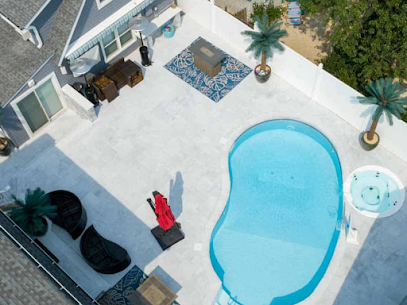
a pool shown in the image with classic porcelain pavers design around it.

Classic Porcelain Pavers Around Your Pool

What makes 3CM thick porcelain pavers ideal for pool areas?

The 3CM thick porcelain pavers are especially well-suited for pool areas due to their enhanced durability and safety features. The thickness provides added strength, ensuring the pavers can withstand frequent foot traffic and poolside activities without cracking or chipping. Additionally, their slip-resistant surface is crucial in a wet environment, helping to prevent accidents. Porcelain pavers are also resistant to chemical exposure from pool water and do not require sealing, making them an ideal, low-maintenance choice for pool surroundings.

different idea for how to design your pool.

Modern Style Backyard with a Pool

How do light grey porcelain pavers contribute to a modern backyard design?

Light grey porcelain pavers are a superb choice for modern backyard designs due to their sleek and contemporary appearance. Their light color reflects sunlight, reducing surface heat and creating a more comfortable environment in sunny areas. This feature is particularly beneficial around pools where barefoot comfort is essential. Moreover, the neutral tone of light grey allows for versatile design options, easily complementing various landscaping elements and outdoor furniture styles, thus enhancing the overall aesthetic of modern backyard space.

Storm Porcelain pavers shown in the photo

Clean Backyard Using Porcelain Pavers

What advantages do Smokey Porcelain Pavers in 20″x40″ bring to backyard designs?

The Smokey Porcelain Pavers in 20″x40″ contribute significantly to a clean and elegant backyard design. Their large size leads to fewer grout lines, creating a smooth, continuous surface that gives the area a neat and uncluttered appearance. The dust color, a subtle and natural shade, adds to the aesthetic by providing a calm and serene ambiance. This makes them ideal for homeowners seeking a backyard with a minimalist and tidy look, complementing both natural greenery and architectural elements.


The image shows the outside of the house designed with mediterrenean porcelain paver patio.

Mediterranean Style House with Porcelain Paver Patio

Why are Volcano Grey Porcelain Pavers in 48″X48″ suitable for Mediterranean-style patios?

Volcano Grey Porcelain Pavers in the 48″48″ format is an excellent match for Mediterranean-style patios. Their large size exudes luxury and grandeur, fitting the opulent nature of Mediterranean architecture. The deep grey hue of these pavers adds a touch of sophistication, mimicking the appearance of natural stone but with the added benefits of porcelain, such as resistance to staining, and fading, and easier maintenance. These pavers provide a practical yet aesthetically pleasing foundation for Mediterranean-themed outdoor spaces.

Image shows the backyard of a house pool with porcelain pavers

Grand Backyard in Modern Style

How do Metal Porcelain Pavers in 24″X24″ enhance modern backyards?

Metal Porcelain Pavers in 24″X24″ are particularly suited for grand, modern backyards. Their metallic finish offers a unique and contemporary edge, setting a bold tone for the outdoor space. This modern appeal is complemented by the practicality of porcelain, which is durable, easy to clean, and maintains its appearance over time. The size of these pavers allows for versatile layout patterns, which can be tailored to enhance the geometric and minimalist design elements typical of modern landscaping.

Pool deck porcelain pavers and marble copings

Pool Deck with Elegant Porcelain Pavers and Marble Copings

What benefits do Inox Porcelain Pavers bring to pool decks?

Inox Porcelain Pavers, when combined with Afyon Ice Marble Copings, create an elegant and refined pool deck. The porcelain pavers provide a durable, stain-resistant, and low-maintenance surface that stands up well to the harsh conditions of a poolside environment, including exposure to water and pool chemicals. The marble copings add a luxurious element, offering a beautiful contrast in texture and color. This combination not only ensures longevity but also brings an upscale aesthetic to any pool deck design.


Metal porcelain pavers the backyard of house with pool

Metal Porcelain Project in Whitestone

What are the benefits of using Metal Porcelain Pavers for modern projects?

Metal Porcelain Pavers offer a sleek and modern aesthetic, ideal for contemporary projects. Their industrial look, with a hint of metallic sheen, adds a unique and sophisticated touch to outdoor spaces. These pavers are also known for their durability and low maintenance, which makes them a practical choice for areas with high foot traffic. The inclusion of mitered copings in the design provides a neat and finished edge, enhancing the overall clean and modern appearance of the installation.

Wood look porcelain paver patio

Wood Look Porcelain Paver Patio

How does Wood Look Porcelain Pavers enhance outdoor patios?

Wood Look Porcelain Pavers provide the aesthetic appeal of natural wood without the associated maintenance challenges. These pavers are ideal for patios as they offer the warm, inviting look of wood while being resistant to weathering, rot, and pests. The combination with Blue Marble Sandblasted Pool Copings adds an additional element of elegance and contrast. This pairing is perfect for those looking to create an outdoor space that is both rustic and luxurious, blending natural wood-like textures with the sophistication of marble.


Image shows outsite of the building that designed with dark grey porcelain pavers.

Dark Grey Porcelain Pavers in Amagansett, NY

Why choose Dark Grey Porcelain Pavers for large outdoor spaces?

Dark Grey Porcelain Pavers are an excellent choice for large outdoor spaces due to their versatility and durability. Their robust construction makes them suitable for various weathers, and their dark hue offers a timeless, elegant look that can complement a wide range of design styles. These pavers are also low maintenance, resisting stains and fading, which is particularly beneficial for extensive areas that may require significant upkeep. Their ability to retain their appearance over time makes them a practical and aesthetically

Image shows a pool by the lake designed with porcelain pavers

Beautiful Porcelain House by the Lake

What makes Sand Porcelain Pavers and Silver Travertine Copings ideal for lakeside properties?

The Sand Porcelain Pavers and Silver Travertine Copings are particularly suited for lakeside properties because their color and texture harmonize with the natural lakeside environment. The sand-colored porcelain pavers mimic the soft hues found in natural landscapes, creating a seamless transition between the indoor and outdoor spaces. Silver Travertine Copings add a touch of refined elegance, complementing the porcelain with their unique texture and color variation. This combination not only enhances the aesthetic appeal but also brings the durability and low maintenance of porcelain, making it ideal for areas exposed to the elements and requiring minimal upkeep. Together, they create a tranquil and sophisticated lakeside retreat.

Conclusion

Porcelain pavers are revolutionizing outdoor spaces, offering both beauty and practicality. Ideal for a range of applications, from porcelain patio designs to dynamic walkways, these pavers combine style and strength.

Their ability to mimic natural textures like bluestone while providing low maintenance and high durability makes them a top choice for homeowners. Our porcelain paving ideas and outdoor porcelain tile concepts at Elegance by NT Trading are specifically tailored to enhance the aesthetic and functional value of your outdoor spaces.

Whether you’re envisioning a sleek porcelain paver patio or a traditional brick paver arrangement, our diverse portfolio caters to all tastes. As experienced paving contractors, we understand the nuances of materials like porcelain and bluestone, ensuring that your design not only looks exceptional but also withstands the test of time. We invite you to browse through our projects for inspiration and see how different materials and patterns can transform an outdoor area into a captivating extension of your home.

At Eleganceus, we are committed to turning your dream outdoor space into a reality, ensuring every project reflects our dedication to quality, style, and customer satisfaction. Ready to elevate your outdoor living experience? Contact us today on our contact page to discuss your project.

Posted on

Porcelain Pavers Selection Size & Thickness Best Guide

Elegance by NT Trading large porcelain pavers selection on a luxurious pool deck in New Jersey.

Welcome to our comprehensive guide on selecting the ideal porcelain pavers selections for your outdoor spaces. Porcelain pavers are a popular choice for homeowners and designers alike, offering a blend of durability, elegance, and versatility that can elevate any hardscape project. In this guide, we delve into the critical aspects of choosing the right pavers for your needs, from understanding the impact of size and thickness on your design to the nuances of installation and maintenance that ensure a lasting investment.

We’ll explore how the dimensions of pavers can define the aesthetic and practicality of your outdoor areas, whether you’re creating a serene poolside retreat or a lively patio for entertaining. We’ll also discuss the importance of selecting the appropriate thickness for enduring quality and the role of professional installation in achieving a flawless finish.

Moreover, we’ll provide essential maintenance tips to keep your pavers looking pristine year after year, and we’ll highlight common selection mistakes to avoid. By the end of this guide, you’ll be equipped with the knowledge to make informed decisions that align with your vision, ensuring that your outdoor living spaces are not only stunning but also stand the test of time.

Join us as we lay the groundwork for your next outdoor project, ensuring that every step from selection to installation contributes to the beauty and functionality of your home’s exterior.

Introduction to Porcelain Pavers Selection

Embarking on a landscaping project can be a transformative experience, and selecting the right materials is paramount. Porcelain pavers, renowned for their robustness and visual appeal, stand out as the premier choice for discerning homeowners and professionals alike. In this guide, we delve into the essential considerations for choosing the optimal size and thickness of porcelain pavers to ensure your project’s success and longevity.

Durability Meets Elegance with Porcelain Pavers

Professional installation of Elegance by NT Trading porcelain pavers in NJ.

Porcelain pavers are celebrated for their exceptional durability and sophisticated elegance. Crafted with cutting-edge technology, these pavers boast a minimal water absorption rate, making them an ideal candidate for even the most demanding outdoor environments.

Elevating Outdoor Elegance with Porcelain Pavers

Porcelain pavers have become the epitome of outdoor sophistication, merging the durability required for high-traffic areas with the refined aesthetics desired for a luxurious outdoor ambiance. These pavers are meticulously crafted using advanced technology, which ensures they have a minimal water absorption rate. This intrinsic quality makes them an impeccable choice for a myriad of outdoor settings, from the humid surroundings of a spa to the fluctuating temperatures of a seasonal garden.

Unleashing Creativity with Versatile Porcelain Paver Designs

The design possibilities with porcelain pavers are virtually limitless. With a broad spectrum of textures, colors, and sizes, these pavers offer a canvas upon which homeowners and designers alike can express their creativity. The versatility of porcelain pavers lies in their ability to adapt to any design narrative – whether it’s emulating the rustic charm of natural stone or the sleek, clean lines of modern architecture.

Porcelain pavers are not just a design element; they are a functional asset to any outdoor space. Their robustness allows them to withstand heavy foot traffic, frequent gatherings, and the relentless wear and tear of outdoor elements. This durability does not come at the expense of style, as these pavers are available in a variety of finishes that mimic natural materials, providing an organic aesthetic without the need for constant upkeep.

The Art of Size Selection in Porcelain Pavers

The selection of paver size is a critical design decision that can dramatically influence the visual and functional outcome of an outdoor project. Large pavers can create a sense of grandeur and continuity, making them ideal for spacious outdoor living areas or around minimalist pool designs where a sleek, uncluttered aesthetic is desired. On the other hand, smaller pavers can be used to create intricate patterns that add texture and visual interest to the space, perfect for cozy patios or pathways winding through a garden.

When choosing paver sizes, it’s essential to consider the scale of the project. Large format pavers, such as the 24×48, can make a small space feel larger by reducing the number of seams and creating a clean, expansive look. Conversely, in a vast outdoor area, smaller pavers help define different zones and add a sense of scale and intimacy to the design.

Large Format Elegance

Large-format porcelain pavers are a design trend that continues to gain popularity for their ability to create visually stunning outdoor spaces. These pavers offer a modern, upscale look with fewer seams, giving the illusion of a more expansive and open area. They are particularly effective in designs where a seamless transition from indoor to outdoor living spaces is desired, as they can mirror the scale and style of interior flooring, extending the living space beyond the confines of the home’s walls.

The use of large format pavers is not just a stylistic choice; it also has practical benefits. Fewer grout lines mean easier maintenance and a smoother surface for furniture and foot traffic. This can be especially advantageous around pool areas, where a flat, stable surface is necessary for safety and comfort.

Small Pavers for Detail and Charm

Smaller pavers offer a distinct aesthetic that can be more suitable for traditional or intricate designs. They are ideal for creating patterns that add character and visual interest to the space, such as herringbone, basketweave, or a customized mosaic. These patterns can delineate different areas within a garden or patio, creating ‘rooms’ outdoors that serve various functions – from dining areas to fire pit lounges.

The choice of smaller pavers also allows for greater flexibility in design adjustments. If the scope of the project changes or if future renovations are considered, smaller pavers can be more easily reconfigured or replaced. This modular nature makes them a practical choice for those who foresee changes or expansions to their outdoor living spaces.

Choosing the Right Dimensions – Factors to Consider

The decision on paver size should be informed by a thorough consideration of the project’s scope, the desired aesthetic, and practical installation concerns. It’s important to visualize how the size will impact the overall design, how it will interact with existing or planned landscaping, and how it will affect the space’s functionality. For example, larger pavers may require a more substantial base and professional installation, while smaller pavers might offer more DIY-friendly options.

Additionally, the choice of paver size can influence the perception of the outdoor space. Large pavers tend to give an uncluttered, orderly feel, which can be calming and serene. Smaller pavers can create a more textured, cozy atmosphere, which can be inviting and warm. It’s also worth considering the furniture and fixtures that will occupy the space; larger pavers can provide a stable foundation for heavy items, while smaller pavers may be more suitable for spaces with lighter, more delicate furnishings.

Thickness Matters for Durability

The thickness of porcelain pavers is a key factor in their functionality and longevity. Thicker pavers are typically more robust and capable of withstanding heavy loads and high traffic, making them suitable for driveways and commercial spaces. The right thickness ensures that the pavers will not crack or become dislodged over time, maintaining the integrity of the outdoor space.

In addition to supporting weight, the thickness of the pavers affects their thermal stability. Thicker pavers will retain heat and cold more effectively, which can be a consideration in areas with extreme temperature fluctuations. They can also provide a more substantial feel underfoot, which can be desirable in spaces designed for relaxation and leisure.

Maintenance for Longevity

Maintaining the pristine appearance of porcelain pavers is relatively straightforward, but it requires regular attention. Simple actions such as sweeping to remove debris, periodic washing with appropriate cleaners, and the application of sealants can extend the life and beauty of the pavers. It’s also important to address any spills or stains promptly to prevent permanent discoloration.

Regular maintenance not only preserves the aesthetic of the pavers but also their structural integrity. Sealants can protect against moisture penetration, freeze-thaw cycles, and efflorescence, ensuring that the pavers remain stable and attractive for years to come. A well-maintained porcelain paver surface will continue to add value and enjoyment to any outdoor space.

Navigating the Pitfalls of Paver Selection

Selecting the perfect porcelain pavers for your outdoor project is a process that requires careful thought and planning. It’s easy to be swayed by trends or aesthetic preferences, but practical considerations are equally important. For instance, choosing a paver size without considering the scale of the space can result in a design that feels disproportionate or cluttered.

Another common mistake is overlooking the local climate when selecting pavers. In areas with harsh winters, choosing a frost-resistant paver is crucial to prevent damage from freezing and thawing cycles. Similarly, in very sunny climates, selecting a paver color that won’t become uncomfortably hot to the touch is important for areas like pool decks where barefoot traffic is common.

Expert Advice: Maximizing Value and Style

Luxurious New Jersey home with poolside elegance, showcasing the perfect Porcelain Pavers Size and Thickness by NT Trading.

Selecting the perfect porcelain pavers for your outdoor project is a delicate balance of design, durability, and budget. It’s about making a choice that not only complements your vision for a beautiful hardscape but also promises longevity and value for money. The right pavers can transform your outdoor space into a robust and visually appealing extension of your home.

The secret to maximizing both value and style lies in careful selection and professional installation. Whether you decide on sand set or mortar installation, a professional installer will consider the specific details of paver sizes, thicknesses, and patterns, ensuring a beautiful and long-lasting finish.

Consider these expert tips when choosing porcelain pavers:

  • Select a paver size that harmonizes with the dimensions and aesthetic of your outdoor space.
  • Evaluate the thickness of the pavers in relation to the expected foot traffic, climate, and functional requirements of your project.
  • Budget for professional installation to guarantee a seamless and durable result.
  • Maintain your pavers with regular cleaning and occasional sealing to preserve their appearance and longevity.

Whether you’re looking to enhance a pool deck or lay a charming walkway, these strategies will help you create an inviting and durable outdoor area. By following these guidelines, you can achieve a hardscape that is both stylish and built to last.

Frequently Asked Question

What are the benefits of choosing porcelain pavers for my outdoor space?

Porcelain pavers offer a blend of durability, low maintenance, and aesthetic versatility. They are resistant to frost, stains, and fading, making them ideal for withstanding various weather conditions while maintaining their beauty over time.

How do I select the right size of porcelain pavers for my project?

The right size depends on the scale of your space and the desired visual effect. Larger pavers can make a space feel more expansive and are often used for a modern look, while smaller pavers are better suited for intricate patterns and can add a sense of charm to smaller areas.

Are porcelain pavers difficult to maintain?

No, porcelain pavers are relatively easy to maintain. Regular cleaning with water and mild detergent, along with periodic sealing, can keep them looking new for years.

Can porcelain pavers be installed over an existing concrete patio?

Yes, porcelain pavers can be installed over concrete, provided the existing patio is stable and level. This method can be a cost-effective way to upgrade your outdoor space.

What should I consider when it comes to the thickness of porcelain pavers?

The thickness of your pavers should be chosen based on the application. Thicker pavers are typically more durable and suitable for high-traffic areas, while thinner ones may be adequate for lighter-use areas.

Is professional installation of porcelain pavers necessary?

While some homeowners may consider DIY installation, we highly recommend professional installation to ensure the highest quality and longevity of your porcelain pavers. At Elegance by NT Trading, our experienced team provides expert installation services that guarantee precision and attention to detail. With professional installation, you can avoid common pitfalls and ensure that your outdoor space is not only beautiful but also durable and correctly aligned with industry standards. For a seamless and worry-free installation, contact us and let our specialists bring your vision to life.

How can I ensure the longevity of my porcelain paver installation?

Proper installation, regular cleaning, and the use of sealants when necessary are key to ensuring the longevity of your porcelain pavers. It’s also important to follow the manufacturer’s guidelines for care and maintenance.

Making the Best Choice for Your Project

As we conclude, it’s clear that the selection of porcelain pavers is a pivotal aspect of your project that goes beyond mere aesthetics. It’s about making informed choices that will ensure the longevity, functionality, and beauty of your outdoor spaces. Whether you’re contemplating a tranquil garden path, a robust driveway, or a luxurious pool surround, the decisions you make now will resonate through the years.

At Elegance by NT Trading, located in the heart of New Jersey, we understand the importance of these choices. That’s why we stand ready to assist you in making the best selection for your unique project. We encourage you to take the next step in this exciting journey by visiting our Google Business Profile. Here, you can delve into our offerings, set up a detailed consultation, or simply reach out to discuss your ideas with our expert team.

Your perfect outdoor space is within reach, and we at Elegance by NT Trading are eager to help you craft it. Let’s build not just a project, but a legacy of elegance and quality that will stand the test of time.

Posted on

Step-by-Step Guide to Installing Marble Pavers on Different Substrates

Installing marble pavers can dramatically enhance the exterior beauty of your home.

Whether you’re laying a stunning pathway, creating a sophisticated pool deck, or giving your driveway a touch of elegance, the process of installation can seem a little daunting.

With the right preparation, materials, and understanding of the different substrates—like sand, mortar, and concrete—you can achieve a flawless, long-lasting result.

From timeless travertine to stylish Calacatta Gray marble tiles, every stone has its unique charm and benefits.

Keep reading as I guide you through every step of the process, demystifying the art of marble paver installation.

Key Takeaways

  • Marble Pavers Add Aesthetic Appeal and Durability to Outdoor Living Spaces Such as Pool Decks and Driveways.
  • The Installation Process of Marble Pavers Involves Choosing the Right Kind of Marble Stone, Organizing Delivery, and Understanding the Specific Method for Installation Based on the Substrate.
  • Marble Pavers Are Durable and Resistant to Salt Water, Making Them Ideal for Use Around Swimming Pools.
  • The Installation Process of Marble Pavers Varies Depending on the Substrate, Including Sand Base, Mortar Bed, or Concrete Base.
  • Proper Care and Maintenance, Such as Regular Cleaning and Sealing, Are Essential for Preserving the Beauty and Longevity of Marble Pavers.

Introduction

marble stone by elegance NT Trading in New Jersey


There is nothing quite like the classic elegance of marble pavers. When it comes to transforming ordinary living spaces, marble stone brings a touch of refined taste. Be it for your pool deck, driveway, or walkway, marble pavers add not only aesthetic appeal but also durability to your hardscape.

The installation process of marble pavers is a bit more nuanced than using a standard brick paver or porcelain paver. From customer service support on choosing the right marble tiles like Carrara or Travertine to receiving side delivery of your order, the journey starts even before arriving at the job site. But don’t fret as I will guide you on this exciting pathway:

  • Deciding on the right kind of marble stone.
  • Taking care of the order sample, SKU, and other points with a trusted company like NT Trading.
  • Organizing a time and place for side delivery, ensuring a smooth arrival of the building material at your job site.
  • Understanding the specifics of the methods based on the substrate, may it be sand base or cement look.

Before starting the installation, some preparation is needed. Choosing the right sealer to protect your marble pavers from the elements and pool size, if you’re installing pool coping, are part of this crucial pre-installation process. It’s also important to note that any veining in the stone is natural and part of the design ideas that make each marble paver unique.

While this guide will focus primarily on marble pavers, the recommendations apply also to other materials such as travertine pavers, porcelain tile, limestone pavers, and porcelain slabs. Whether you’re in Northern New Jersey or South Florida, you can count on this guide to help add a touch of natural stone beauty to your dream house. So let’s get started!

The Timeless Beauty of Marble Pavers

The beauty of the marble pavers near New Jersey

I can’t begin to describe the timeless beauty embedded in each marble paver. From the unique veining to the spectrum of colors it offers, marble stone is a favorite for both indoor and outdoor projects. It seamlessly fits into contemporary, rustic, or traditional design ideas, expanding the possibilities for transforming your living spaces.

One of the noteworthy advantages of marble pavers is their durability. These natural beauties can withstand varied weather conditions, be it ocean blue skies or a regular day in Hawthorne. The surface plaster-hard exterior is well-complemented by pleasing aesthetics, making it an all-around choice for hardscapes such as driveways, pool decks and even stepping stones.

Another remarkable characteristic of marble pavers is their resistance against a saltwater generator (SWG), which is often used in swimming pools. The pool math gets easier when you opt for marble stone for pool coping or as pool tiles for the waterline. You’ll find it’s worth every penny for a long-lasting, sky-blue swimming pool that blends harmoniously with your dream house.

Finally, the Pleasanton touch of marble pavers extends beyond mere aesthetics. With proper installation and maintenance, they provide a safer, non-slippery surface for wet areas like pool decks and shower corner shelves the pool tile. Whether opting for a 24×24 or x48 size, marble pavers, and marble thickness specialty can help elevate the safety and function of your spaces, giving true meaning to the phrase ‘functional elegance’.

Different Installation Methods for Marble Pavers

Installation process of marble pavers.

Marble paver installation depends heavily on the substrate you’re working with. The broad categories we will look at here include sand, mortar, and concrete. Each requires a unique set of tools, techniques, and a detailed understanding of the installation process.

When installing over a sand base, we lay an edge restraint for the pavers first. After leveling out the sand, we then place the pavers on top, taking care to ensure a uniform distance between each paver with a spacer for perfect alignment. Applications where the sand base is a good option typically include patios, walkways, and driveways.

Moving on to a mortar bed, this is generally used in interior installations like hallways or bathrooms, and for exterior vertical installations like wall tile or cladding. Before laying on the mortar, I use pedestals or paver pedestals to ensure leveling. A mixture of thin-set mortar is used, typically resulting in a stronger bond between the paver and the substrate.

Lastly, for a concrete installation, we would usually use a cement look. After the concrete slab is ready, we lay the marble pavers directly on the concrete, with the help of a thin-set adhesive specifically for marble pavers. This is common for outdoor installations where a solid, durable base is preferred.

Installing Marble Pavers on Sand Substrate

Marble pavers on sand substrate

When installing marble pavers over a sand base, the first step is preparing the base itself. It’s essential to start with a compact layer of crushed stone. Once this layer is set, I spread a layer of sand on top, aiming for an even surface.

To ensure that the pavers sit perfectly level, the next step in the process involves setting an edge restraint. This restraint’s function is to hold the shape of the pavers. For an extra touch of attention, I frequently use an automatic level to keep everything as balanced as possible.

We then move on to laying the pavers. This step can be compared to piecing together a jigsaw puzzle. Each marble paver is carefully placed on the sand and aligned using a spacer for that perfect distance from its neighbor. Remember, a proper layout is important to prevent uneven spacing.

Once all the pavers are in place, I spread another layer of sand over the top and sweep it into the joints. This helps lock the pavers in place and provides a more finished look. Finally, a gentle mist of water helps to settle the sand, completing the sand installation process of your marble pavers.

Placing and Aligning the Marble Pavers on the Sand

Placing marble pavers on sand can be both an art and a science. As a professional, I always ensure that each paver is placed with precision. This entails not just dropping them on the sand base but carefully setting each one down.

Alignment of the marble pavers is the next crucial step. This is where your spacer becomes your best friend. Each paver should be evenly spaced from the others, ensuring a uniform look and preventing future shifting. Remember, a fraction of an inch off in the beginning can result in a significant error by the end.

There’s a unique satisfaction in seeing the marble pavers come together. Each piece aligns to form a beautiful pattern of natural stone elegance. Some prefer to work from the center outward while others prefer starting from a corner. It’s all about what works best for the design and dimensions of your space.

I cannot emphasize enough the importance of patience and care during this process. You might feel the urge to rush, but remember: your marble pavers aren’t just building materials. They’re stepping stones to transforming your living space. Take your time, adjust as needed, and rejoice in the beauty that comes to life with each paver you place.

Installing Marble Pavers on Mortar Substrate

Installing marble pavers on a mortar substrate is different from a sand base. While in principle it follows the same concept of preparing the base, leveling, and aligning the pavers, working with mortar adds another layer of complexity. Yet the end result is often a stronger bond between the paver and the substrate.

Preparation begins with setting a concrete slab. Once the slab is ready, I apply a layer of mortar mix. The consistency and thickness of the mortar play a big role in the success of this stage. It should have the right consistency and be evenly spread on the concrete slab, meeting the required standards.

The next step involves using paver pedestals. These pedestals help to ensure that each marble paver is placed level on the mortar. The following table details the main steps involved in this installation method:

StepsDescription
Prepare the Concrete SlabRemove any debris and clean the surface thoroughly.
Apply the Mortar MixSpread evenly, ensuring the right consistency and thickness.
Set Paver PedestalsPlace these for leveling before setting the marble pavers.
Position the PaversAlign each paver at an equal distance using spacers.
FinishWipe excess mortar and ensure all pavers are securely set.

After all the marble pavers are successfully set and aligned, the final step is to remove any excess mortar from the surface. Once the mortar has completely dried, you’re left with a beautiful and sturdy installation. This method gives more longevity and durability, especially for indoor installations where strength is just as important as aesthetics.

Setting the marble pavers into the mortar bed

Setting the marble pavers into the mortar bed begins once the mortar mix is ready and the paver pedestals are set in place. This phase requires precision to ensure the correct alignment and level of each paver. Remember, a job well done at this step significantly impacts the final look and longevity of your project.

The marble pavers are placed one by one onto the mortar bed. Spacers are used to ensure that each paver is at an equal distance from the next. Paying attention to lines and patterns is crucial here, much like painting a beautiful picture, one stroke at a time.

As each paver is set in place, I apply gentle pressure to make sure it sets well into the mortar. This doesn’t just require physical strength but a careful hand. Keeping a keen eye on the alignment and level is key to a successful installation. Here are the main steps involved:

  • Apply the mortar mix evenly over the prepared area.
  • Set paver pedestals to help ensure a level base.
  • Place the marble pavers carefully onto the mortar, one at a time.
  • Use spacers to keep an equal distance between each paver.
  • Apply gentle pressure on each paver to ensure it sets properly into the mortar.

The setting process continues until all the marble pavers have been placed and aligned. Finally, a preliminary cleaning of the surface ensures no excess mortar remains on the pavers. A little patience, precision, and care will result in a beautifully installed marble paver surface that not only enhances visual appeal but also adds value to your property.

Installing Marble Pavers on Concrete Substrate

a person carefully aligns and sets marble pavers on an even concrete surface using adhesive and spacers.

If you’re considering installing marble pavers on a concrete substrate, I have some noteworthy insights to share. This requires a different approach as compared to sand or mortar substrates. The primary difference lies in the use of a concrete base instead of sand or mortar.

We start by preparing the concrete slab, ensuring that it is clean and even. The slab serves as a solid base on which the marble pavers will be set. It’s essential to prevent any line or level deviations that could negatively impact the end result.

Next, I use a thin-set type of adhesive, specially formulated for marble paver installation on concrete. The thin set is applied evenly over the concrete before setting the pavers. Pay close attention to the following steps for a successful installation:

  • Prepare the concrete slab by cleaning and leveling.
  • Apply the adhesive evenly over the concrete slab.
  • Set each paver into the adhesive, using spacers to maintain equal distances between each one.
  • Ensure the marble pavers are properly aligned and level across the entire surface.

Upon completing these steps, the hard task of waiting begins. The adhesive needs to dry thoroughly before any weight is applied to the pavers. It’s worth noting, however, that the outcome is definitely worth the wait. Whether it’s a driveway, pool deck, or patio, marble pavers on concrete offer a durable, appealing, and long-lasting solution.

Preparing the Existing Concrete Surface

Preparing the existing concrete surface is the very first step in the process of installing marble pavers on the concrete substrate. It’s the foundation of the project, impacting everything that follows. Therefore, the work must be done thoroughly and carefully.

The surface must be clean and free of debris. Leaving dirt or other particles on the surface before applying the adhesive could prevent it from correctly bonding with the marble pavers. It’s not just about sweeping – but using high-pressure water or a concrete cleaning solution to ensure a pristine surface.

Another critical aspect to check is the surface level. Any uneven areas on the concrete slab might translate into misaligned pavers. To avoid this, I use a long, straight edge to detect any dips or bumps and then correct them as necessary.

I like to stress that an excellently prepared surface sets the stage for a successful installation. The efforts in this stage pay off when you witness a smoothly installed set of marble pavers transforming your area, blending functionality and ornamental appeal in perfect harmony.

Adhering the Marble Pavers to the Concrete with Mortar or Adhesive

Marble Pavers to the Concrete with Mortar or Adhesive

Adhering the marble pavers to the concrete is a vital step in the installation process. For this, I use an adhesive that works best with marble and concrete, known as thin-set adhesive. This specific adhesive forms a strong bond between the marble and the concrete slab, ensuring a durable installation.

The process starts by spreading a layer of thin-set adhesive evenly over the prepared concrete surface. A great tip to remember is to spread enough adhesive that can be covered with pavers within a 30-minute window. This prevents the adhesive from drying out before the paver is set in place.

Next, I place each marble paver onto the adhesive layer, using a spacer to maintain an even distance between each paver. It’s like piecing together a puzzle, but the satisfaction of seeing a symmetrical design come together is truly rewarding.

As each paver is set into the adhesive, I adjust as necessary to ensure they are leveled out. The technique involves applying gentle pressure to set the paver in place properly. Once all the pavers are aligned and adhered to, it’s time to sit back and watch the magic happen as the whole area transforms beautifully.

Tips for Maintaining and Preserving the Beauty of Marble Pavers

Marble pavers, once installed, don’t merely beautify your spaces but also increase the value of your property. However, preserving their beauty needs a certain amount of care and maintenance. While marble is durable, proper upkeep will ensure the long-lasting aesthetic appeal of your hardscape.

One of the critical steps in preserving the beauty of marble pavers is routine cleaning. Just like any other surface, dust and grime can accumulate over time. A gentle yet thorough cleansing using warm water and mild soap helps to maintain the shine. Avoid using harsh chemicals as these can tarnish the natural beauty of your stone.

Sealing the marble pavers is another essential step in maintenance. A quality sealer helps protect the marble from stains, etching, and weathering. Given that every stone has unique porosity, select a sealant that is best suited for marble. Regular sealing, usually every 3-5 years, can be very beneficial in prolonging the paver’s life span.

In the case of any chips or cracks, swift repairs can prevent further damage. If you’re not confident about doing this yourself, consider reaching out to a professional. Knowledgeable customer service teams are often just an email address or a phone call away. Properly caring for your marble pavers will ensure they remain a stunning feature of your property for years to come.

Final Thoughts on Installing Marble Pavers on Different Substrates

Installing marble pavers can significantly transform both your indoors and outdoors, making a stunning difference. Whether it’s on a driveway, a pool deck, a patio, or an interior hallway, the various types of substrates, including sand, mortar, and concrete, provide diverse options to suit your specific needs. The choice you make today will have a lasting impression on your property.

Each substrate requires a unique method for installation tailored to maximize its strengths and benefits. Whether it’s the flexibility and natural look of a sand base, the strong bond of a mortar substrate, or the durability of a concrete base, the right choice of substrate will help maximize the lifespan of your marble pavers.

As a professional, my goal is to help guide your decision-making process, ensuring you understand the installation process for each substrate. The journey is as important as the destination. The time and attentiveness you invest in the installation process directly reflect the final outcome.

Finally, remember that while marble pavers are a beautiful choice, they require proper care and maintenance to keep their elegant look intact over the years. But with the right care and consideration, your marble pavers can remain a captivating feature of your home, making a world of difference to your dream house.

The Most Asked Questions

Are marble pavers slippery when wet?

Marble pavers, like any other type of natural stone or concrete pavers, can become slippery when wet. The smooth surface of marble, in particular, may pose a risk of slipping and falling, especially in areas that are prone to moisture or water accumulation. However, there are ways to mitigate the slipperiness of marble pavers. One effective method is to choose marble pavers with a textured or non-slip surface. These types of pavers are specifically designed to provide better traction, even when wet. Additionally, regular maintenance and cleaning are crucial to ensure that the pavers remain safe and slip-resistant. It is recommended to use non-slip cleaning products and avoid using high-gloss sealers, which can enhance the slipperiness of the surface.

Finally, ensuring proper drainage and angling the pavers appropriately can help prevent water from pooling and reduce the risk of slipping. It is essential to consider these factors when choosing marble pavers for areas that are frequently exposed to moisture or water, such as pool decks, patios, or walkways.

Are marble pavers durable?

Marble pavers are known for their durability, making them a popular choice for outdoor spaces. These pavers are tough and robust, able to withstand heavy foot traffic, extreme weather conditions, and the test of time. The durability of marble pavers is mainly due to the strong composition of the marble itself. Marble is a dense and hard material that is resistant to chips, cracks, and scratches. It is also less likely to fade or lose its luster over time, providing a long-lasting solution for any outdoor application. Additionally, marble pavers are typically sealed to enhance their durability even further, making them more resistant to stains, moisture, and other potential damages.

However, it is important to note that the durability of marble pavers may vary depending on factors such as the quality of the stone and the installation method. Therefore, it is essential to source high-quality marble pavers and hire a professional installer to ensure the best results and maximize their durability. Overall, when properly installed and maintained, marble pavers prove to be a durable and reliable option for outdoor flooring.

How to clean marble pavers?

Preserving the beauty and lifespan of marble pavers requires regular cleaning. Start by clearing debris with a broom or leaf blower. Mix warm water with a marble-friendly, pH-neutral cleaner in a bucket. Steer clear of acidic or abrasive solutions that can harm marble. Using a soft brush or mop, scrub the pavers lightly, focusing on dirtier spots. After cleaning, rinse thoroughly to eliminate soap traces, either with a hose or a low-pressure washer. Dry the pavers with a towel or let them air-dry, and avoid walking on them until they’re dry. To shield against future stains, consider applying a marble sealant, following the product’s guidelines. Regular upkeep and sealing will keep marble pavers in top condition.

Where can I find white marble pavers?

If you’re in the market for white marble pavers, there are several places you can look to find the perfect ones for your project. One of the first places to start your search is at local stone suppliers or stone masons in your area. These professionals often have a wide selection of marble pavers and can offer expert advice on choosing the right ones for your needs. Additionally, home improvement stores and garden centers may carry white marble pavers in their outdoor or landscaping sections.

Another option is to explore online retailers and wholesalers that specialize in natural products. These websites typically have a vast array of marble pavers to choose from and can conveniently ship them directly to your doorstep. Furthermore, don’t forget to check out trade shows and expos dedicated to construction and landscaping, as these events often feature vendors that offer a variety of marble pavers, including white ones. Find the Elegance by NT Trading at 2023 Boutique Design New York Booth #3122 for the best white marble pavers between November 12-13 2023.

Where can marble rock be found?

One of the most iconic sources of marble is Italy, especially the Carrara region, which has been a marble hub for centuries. The Greek island of Paros is another historic source, with its pristine white marble being a staple in ancient art and architecture. Turkey, particularly the Afyon region, is a significant contributor to the global marble market, offering varieties like the “Afyon Ice Marble with its distinct appearance.

The United States, Spain, India, and China also have significant marble deposits, each with its unique characteristics. You can find them in Elegance when you search for marble pavers near me. We offer a diverse range of marble stone pavers, including unique varieties like Pietra Grey, “Blue Marble,” “Calacatta Grey,” “Candy Beige,” and “Rain Cloud Marble.” These pavers, available in finishes like sandblasted and tumbled, are perfect for outdoor applications, combining beauty with durability.

Marble, a symbol of luxury and elegance, is a natural beauty of stone that has been sought after for centuries. Its unique veining and diverse color palette make it a favorite for both classic and contemporary designs. While marble can be found in various parts of the world, certain regions are particularly renowned for their high-quality marble deposits.

Whether you’re looking for marble for flooring, countertops, or artistic endeavors, it’s essential to consider the source and quality. With proper care and maintenance, marble can remain a timeless feature in any space, embodying luxury and sophistication.

Can you pressure-wash marble pavers?

Yes, marble pavers can be pressure washed, but it’s crucial to use the right equipment and techniques. Opt for a pressure washer with a PSI rating below 2000 to prevent chipping or erosion. A wide-angle nozzle is recommended to distribute the pressure evenly, reducing the risk of concentrated damage.

Marble pavers, with their inherent elegance and beauty, are a popular choice for outdoor spaces. However, maintaining their pristine appearance requires careful cleaning, especially when they’re exposed to outdoor elements. While pressure washing is an effective method to rejuvenate the look of these pavers, it’s essential to approach the process with caution to avoid damaging the delicate stone.

Preparation Before Pressure Washing: Before you begin, clear any debris from the pavers. This includes leaves, twigs, and loose dirt. For stubborn stains or marks, pre-treat them with a mild detergent or a stone cleaner designed for marble. It’s essential to avoid harsh chemicals or acidic solutions, as they can discolor or etch the marble surface.

The Pressure Washing Process: Start by holding the nozzle a few feet away from the pavers, ensuring you maintain a consistent distance for even cleaning. Use sweeping motions and avoid focusing on one spot for too long. After pressure washing, inspect the pavers for any remaining stains and address them as needed. Once cleaned, let the pavers dry thoroughly.

Post-Cleaning Maintenance: To preserve the beauty of your marble pavers, consider applying a marble sealant. This will protect them from future stains and make subsequent cleanings easier. Regular sweeping and rinsing can also help maintain their appearance.

For a comprehensive guide on cleaning marble pavers, consider referring to Elegance’s Complete Guide on Cleaning Outdoor Marble Pavers. This guide offers in-depth insights into understanding marble’s unique properties, the materials and tools needed for cleaning, and step-by-step cleaning processes.

Do marble pavers stain?

Marble pavers, renowned for their timeless elegance and robustness, are a favored choice for many when it comes to outdoor spaces. However, a frequently asked question that arises is: Do marble pavers stain?

The straightforward answer is yes; marble pavers, like all natural stones, have the potential to stain. The inherent porosity of marble means it possesses minuscule openings that can absorb various liquids, leading to potential staining. Everyday substances, from oil spills, and red wine, to acidic elements like lemon juice, can become culprits if left unattended on marble surfaces.

Why Does Marble Stain? Marble’s natural composition makes it susceptible. Its porous nature means that any liquid left on its surface can seep in, leading to potential discoloration. This characteristic is why immediate attention to spills is crucial.

Preventing Stains on Marble Pavers: Protection is key. One of the most effective ways to guard against staining is by sealing the marble. A quality sealer acts as a shield, creating a barrier against potential staining agents. When choosing a sealer, ensure it’s specifically crafted for marble to get the best results. Adhering to the manufacturer’s guidelines during application will ensure optimal protection.

Routine maintenance is equally vital. Promptly addressing spills and using a gentle detergent or a cleaner designed for stone will aid in preserving the marble’s pristine appearance.

Addressing Stains on Marble: In the event of a stain, various removal techniques cater to different stain types. While some can be managed with home remedies, persistent or deep-set stains might require professional intervention. Consulting a stone care specialist can provide tailored solutions for challenging stains.

How to install marble pavers?

Marble pavers, synonymous with luxury and resilience, can elevate any outdoor space. If you’re contemplating installing these pavers, here’s a detailed guide to ensure a flawless finish:

  1. Planning: Measure the intended area and visualize the desired pattern. This step aids in estimating the required pavers and streamlining the installation.
  2. Site Preparation: Clear the area of debris or vegetation. Level the ground, ensuring proper drainage to avert water accumulation.
  3. Base Installation: Lay crushed stone or gravel as the foundation. Compact it for a firm, even base. The depth might vary based on the project, so professional consultation might be beneficial.
  4. Edge Restraints: Install restraints like concrete curbs around the perimeter to keep the pavers in place.
  5. Sand Bed: Spread an inch-thick sand layer, leveling it with a screed board.
  6. Installation: Begin placing the pavers from one corner, ensuring they snugly fit while adhering to the pattern. Adjust using a rubber mallet if necessary.
  7. Cutting: For edges or unique shapes, cut the pavers using a wet saw or diamond blade.
  8. Finishing: Sweep masonry sand across the pavers to fill gaps, stabilizing them.
  9. Sealing: Apply a sealant to protect against stains and amplify their natural hue. Regular sealing is recommended for sustained beauty.

By carefully planning, and preparing the site, and following these step-by-step instructions, you’ll be able to achieve a stunning and long-lasting installation. Remember to consult with professionals or a landscape contractor if you have specific questions or concerns during the process.

How to clean sandblasted marble pavers?

Sandblasted marble pavers, with their unique texture, require specific care. Here’s how to maintain their pristine look:

  1. Initial Cleaning: Sweep off loose dirt or debris.
  2. Soapy Solution: Mix a mild detergent with warm water. Using a soft-bristle brush, scrub the pavers gently in circular motions, focusing on stained areas.
  3. Rinsing: Thoroughly rinse with clean water, ensuring no soap remains.
  4. Stain Removal: For stubborn stains, baking soda and water poultice can be effective. Apply, cover with plastic wrap overnight, and scrub off the next day.
  5. Sealing: Consider sealing the pavers with a marble-specific sealer to prevent future stains.

By following these simple steps, you can effectively clean and maintain your sandblasted marble pavers, ensuring their lasting beauty for years to come.

Can you tell us about the Rain Cloud Marble Pavers offered by Elegance by NT Trading and their service areas?

Elegance by NT Trading, located in Northern New Jersey, is a leading manufacturer and distributor of marble, travertine, and porcelain for both interior and exterior areas. They are quarry owners and take pride in offering first-quality material, especially their Rain Cloud Marble Pavers. They collaborate with over 1000 architectural designers, stores, and mason yards to cater to every client’s needs. Their extensive range includes pavers, tiles, copings, veneers, ledgers, mosaics, and more.

Elegance by NT Trading is dedicated to providing exceptional customer service and has three warehouses where clients can view their vast collection. Their service areas include New Jersey, Connecticut, New York, Long Island, New Hampshire, Rhode Island, Michigan, North Carolina, South Carolina, Texas, Arizona, Virginia, Maryland, Pennsylvania, Florida, Georgia, California, Illinois, Ohio, and Nevada.

What are the differences between travertine tile and marble pavers?

Travertine tile is a type of limestone, while marble pavers are made from metamorphic rock. Both are popular choices for flooring, but marble pavers are often preferred for their unique veining and elegance.

Can I use floor tile adhesive for marble pavers?

While floor tile adhesive can be used for indoor applications, it’s recommended to use a specialized adhesive for marble pavers, especially when installing on sand, mortar, or concrete.

How do marble pavers compare to cobblestone?

Cobblestone is rougher and more rustic, while marble pavers offer a smoother and more refined appearance. Both can enhance the curb appeal of a property.

Is a marble driveway durable?

Yes, a marble driveway is not only aesthetically pleasing but also durable. However, it’s essential to ensure proper installation and maintenance to prevent skidding and prolong its lifespan.

Can I use a salt water generator with marble pavers around my pool?

Yes, a salt water generator can be used. However, ensure that the grout between the pavers is sealed to prevent salt damage.

What’s the ideal pool size for marble pavers?

Marble pavers are versatile and can be used for any pool size. Whether you have a small plunge pool or a large lap pool, marble pavers can enhance the pool area.

Are there risks of skidding with marble pavers around the pool?

Properly sealed and maintained marble pavers reduce the risk of skidding. It’s also advisable to choose pavers with a slightly textured surface for the pool deck material.

How do travertine driveways and marble pavers differ?

While both are natural stones, a travertine driveway has a more porous surface, whereas marble pavers are denser and less susceptible to staining.

What does “field blank” mean in paver installation?

“Field blank” refers to the main area of the installation, excluding borders or patterns. It’s essential to ensure uniformity in this area for a cohesive look.

How can marble pavers enhance curb appeal?

Marble pavers add a touch of luxury and sophistication, significantly boosting the curb appeal of any property.

Are paver driveways better than concrete?

Paver driveways, especially those made of marble, offer better aesthetics and flexibility in design compared to plain concrete.

How should I maintain my marble pavers in the pool area?

Regular cleaning and sealing will keep your pool area looking pristine. Avoid using harsh chemicals that might damage the grout or the pavers.

How does interior design influence the selection of paving materials like brick pavers and porcelain slabs?

Interior design plays a pivotal role in choosing materials. While brick pavers offer a rustic appeal, porcelain slabs provide a sleek, modern look suitable for contemporary spaces.

How is the surface area calculated for different paving solutions, and how does pattern pricing vary?

The surface area is determined by multiplying the length and width of the space. Pattern pricing can differ based on the complexity of the design, especially with materials like cobblestones and brick pavers.

Are cobblestones a recommended paving solution, and what are the specks seen on some pavements?

Cobblestones are durable and aesthetically pleasing, ideal for various applications. Specks on pavements are tiny spots or particles that add texture and visual interest.

Conclusion

afyon ice marble paver Elegance by NT Trading in New Jersey

At the end of this journey, you’re now equipped with valuable knowledge about installing marble pavers over different substrates. A well-executed installation of processes will not only realize your design ideas but will also significantly enhance your living space, whether in South Florida or New Jersey.

Marble, with its natural veining and a wide variety of colors, offers timeless elegance. It’s not just about having a pretty picture. Adequate preparation, a systematic approach, and meticulous execution make this picture-perfect. That’s my guiding philosophy in every project I undertake, and I’ve strived to share that wisdom throughout this guide.

Maintenance is a requisite chapter in the story of your marble pavers. Like any worthy story, it requires attention and regular care. Proper cleaning, periodic sealing, and swift repairs are some highlighted elements in this chapter.

The beauty of marble pavers, coupled with your creativity and my professional guidance will surely create an enriching space. The path to it may seem daunting, but the efforts invested are fulfilling. Once completed, each glance at your work will remind you of a well-executed job and the significant return it brings to your property.

Visit us at Elegance by NT Trading and let’s sculpt your dream project together. From consultation to installation and easy appointment scheduling watch your vision unfold with a partner who understands true elegance. Step into the future of timeless outdoor living—your journey begins now!

Posted on

Travertine Pavers: 7 Reasons Why You Should Consider Them

Travertine Pavers by Elegance in New Jersey

Embarking on a quest to elevate your outdoor space can often leave you at a crossroads, especially with the myriad of building materials at your fingertips. But what if we told you there’s a ‘stone-cold’ superstar that doesn’t just level up your yard’s aesthetics but also dances gracefully with Mother Nature and laughs in the face of wear and tear? Enter the realm of travertine pavers, the unsung heroes of sublime outdoor transformations!

From the sun-kissed walkways of ancient Rome to your very own backyard paradise, travertine boasts a legacy that marries luxury with endurance. But wait, there’s more to this natural wonder than meets the eye! Dive into our treasure trove of insights as we unveil seven irresistible reasons why travertine pavers are your ultimate outdoor companion.

Key Takeaways

  • Travertine Pavers Are a Durable Choice for Outdoor Spaces Like Pool Decks, Walkways, and Patios.
  • Travertine Offers a Variety of Natural Colors, Sizes, and Textures, Making It Versatile and Aesthetically Appealing.
  • Travertine Is a Sustainable and Eco-Friendly Option Compared to Concrete or Porcelain Pavers.
  • Travertine Pavers Provide a Non-Slip Surface, Making Them Safe for Swimming Pool Areas and Wet Zones.
  • Travertine Pavers Offer a Relatively Simple and Cost-Effective Installation Process Compared to Other Building Materials.

1. Unmatched Durability of Travertine Pavers

When it comes to outdoor materials, you might find yourself in the ‘Travertine vs. Concrete Pavers‘ debate. Here’s a crucial point to consider: Travertine pavers are durable. This resilience stems from their unique formation process, where minerals dissolve and are redeposited by various water sources, giving travertine its hard-wearing properties.

Imagine a pool deck that resists the harshness of weather, the wear of heavy foot traffic, and the corrosive nature of pool chemicals, all while maintaining its timeless allure. The secret to travertine’s longevity lies in its routine care, involving simple cleaning and occasional sealing, ensuring it stays in prime condition for years. Additionally, the availability of expert installers makes custom travertine fitting a smooth experience. So, if durability is what you’re after, travertine pavers prove to be a reliable choice for your outdoor spaces.

2. Aesthetic Design and Versatility

a beautiful pool area with elegance travertine pavers in various natural colors and textures, creating a luxurious outdoor space.

Are travertine pavers aesthetic and versatile? Absolutely. Travertine pavers bring a unique aesthetic touch to pool designs and outdoor spaces, thanks to their natural colors, diverse sizes, and rich textures. They stand out in comparison to options like concrete or porcelain, transforming areas into sophisticated spaces filled with organic beauty.

What makes Travertine truly captivating is its range of visual options. Whether it’s the contemporary elegance of silver travertine or the classic warmth of earth-toned varieties, there’s a style for every preference. The finishes add another layer of customization:

Each piece of travertine is unique, contributing to a landscape that’s both diverse and harmonious. Additionally, the option for custom fabrication extends design possibilities even further, allowing for a truly personalized outdoor environment.

So, beyond just visual appeal, travertine pavers champion versatility, making them a top contender for those seeking both beauty and adaptability in outdoor design.

3. Environment-Friendly Choice

a beautiful travertine deck surrounds a swimming pool, showcasing an environmentally friendly and sustainable choice for outdoor decking material.

In today’s eco-conscious landscape, travertine pavers emerge as a champion for sustainability, marking a significant stride in environment-friendly home improvements. Unlike manufactured options that contribute to carbon emissions and environmental degradation, travertine is a natural stone that boasts a minimal ecological footprint. Its extraction and preparation require less energy compared to other materials, reducing its overall impact on nature. Furthermore, travertine’s innate durability and timeless appeal eliminate the need for frequent replacements, contributing to waste reduction. Opting for travertine not only resonates with the green ethos of sustainable living but also endorses responsible stewardship towards our environment, ensuring that the beauty of our homes extends to the care of our planet.

4. Safety First: Non-Slip Surface

a beautiful travertine deck surrounds a swimming pool, showcasing an environmentally friendly and sustainable choice for outdoor decking material.


When thinking about pool decks and outdoor spaces, safety is a major concern, especially in terms of slip resistance. Contrary to popular belief, travertine pavers, with their naturally porous surface, offer a non-slip surface, making them an optimal choice for swimming pool areas and wet zones.

Unlike some building materials that can be slippery underfoot when wet, the porous nature of travertine displays a greater surface grip. This grip ensures safe walking, even when the surface is slick from water or from a recent cleaning. Therefore, homeowners can enjoy added security when installing outdoor travertine pavers around their pool quarters.

The non-slip nature of travertine is not restricted to just its standard form. Even when the travertine tile is polished or honed for an interior application, it still maintains adequate traction underfoot. Walking barefoot on travertine surfaces, therefore, remains safe and comfortable.

Conclusively, when considering pool deck materials, travertine proves to be the superior choice not only for its aesthetic attributes but also for its inherent safety features. Thus, for those questioning “Are travertine stones slippery?”, the answer, simply, is ‘no’.

Now that we’ve navigated the terrain of travertine stones’ surface textures, let’s shift gears to something remarkably striking! Prepare for an unexpected twist as we delve into how surprisingly simple it is to install Travertine Pavers.

5. Ease of Installation

Installation plays a significant part in the final appearance and durability of any outdoor or indoor space. In comparison to other building materials such as concrete pavers or brick pavers, travertine pavers offer a relatively simple installation process. Consequently, they can reduce labor time and costs, while enabling a quicker turnaround for the project.

Travertine pavers can be installed in various ways depending on the project. For outdoor applications, they can be set with a sand base or a concrete base, giving installers flexibility to decide the approach based on site conditions. For indoor settings, they can be installed with conventional tile adhesives, similar to porcelain tile or any other type of indoor tile.

The practicality of travertine installation can be better illustrated with the following data:

Installation OptionsInstructionsBenefits
Sand BasePlace paver on a leveled sand bed, add jointing sand between the paversQuick, cost-effective, and flexible
Concrete BasePlace paver on a thin-set mortar over a concrete slabDurable, ideal for large-format paver

With the above in mind, it is evident that travertine pavers — with their ease of installation — can provide a seamless experience for homeowners. From quicker completion times to artistic flexibility, the ease of installation marks another compelling reason to opt for travertine pavers in your home improvement projects.

Yet, with such ease of installation, you must be wondering about the cost. So, the looming question is, are Travertine Pavers expensive?

6. Long-Term Cost-Effectiveness


a beautiful travertine deck surrounds a swimming pool, showcasing an environmentally friendly and sustainable choice for outdoor decking material.

When contemplating the cost of travertine pavers, one must consider more than just the upfront purchase price. Although travertine can be more expensive at the outset compared to other options such as concrete pavers, it can prove cost-effective in the long term because of its durability and minimal maintenance requirements.

When considering cost, other factors come into play, as these can significantly impact the total expense of a project. Some of these factors include:

  • The degree of custom fabrication of travertine required
  • The intricacy of the installation process
  • The area size to be covered with the chosen travertine paver
  • The finish and color of the chosen travertine could impact costs

However, it is essential to note that while the initial cost of travertine may be high, its longevity makes it a wise investment. A travertine pool deck for instance, when properly installed and maintained, can last for decades without needing significant repair, thereby leading to long-term savings.

Cost should be evaluated in conjunction with the added value that comes with travertine. The beauty, durability, and rarity of this natural stone can significantly enhance the value of a property. Despite the initial investment, travertine pavers are an economical choice for those looking for a high-quality, durable, and aesthetically pleasing material for their home improvement projects.

7. Customization and Unique Finishes

In the realm of outdoor landscaping and interior elegance, travertine stands out with its bespoke beauty and adaptability, offering a world of customization and unique finishes. Unlike off-the-shelf materials, travertine pavers grant homeowners and designers the artistic liberty to tailor shapes, sizes, and finishes to their specific aesthetic preferences and functional needs.

From the rustic, earthy allure of tumbled travertine to the sleek sophistication of polished finishes, each piece can be uniquely crafted, contributing to a landscape that’s a true reflection of personal style. This versatility extends to color treatments, edge profiles, and surface textures, allowing for a design that can be as understated or as opulent as envisioned. With travertine, your space is not just another area but a personal statement of style, luxury, and timeless elegance.

[embedyt] https://www.youtube.com/watch?v=3Rm-mS4ro_w[/embedyt]


Frequently Asked Questions

How long do travertine pavers last?

Travertine pavers can last for several decades with proper maintenance, making them a durable option for outdoor spaces.

Do travertine pavers go on sand or concrete?

Travertine pavers can be installed on either sand or concrete. The choice depends on the specific project requirements and personal preference.

Do weeds grow between travertine pavers?

Yes, weeds can grow between travertine pavers if there are cracks or gaps in the surface that allow weed seeds to enter and establish roots. Regular maintenance and sealing can help prevent weed growth.

Are travertine pavers expensive?

Travertine pavers can vary in price depending on factors such as size, quality, and where they are purchased from, so it is recommended to shop around and compare prices to find the best deal.

Where to find the best travertine pavers near New Jersey?

Finding the best travertine pavers in New Jersey is all about connecting with a supplier that prioritizes quality, variety, and customer satisfaction. That’s where Elegance by NT Trading steps in as your premier choice. Our company takes pride in offering an extensive selection of top-tier travertine pavers, perfect for any design aesthetic and functional requirement.

Whether you’re reimagining your patio, pool deck, or walkways, our expert team at Elegance by NT Trading is dedicated to assisting you in selecting the perfect travertine that reflects your style and meets your project needs. Visit us at Elegance by NT Trading to explore our diverse range of products and find out why homeowners and professionals alike trust us for their high-caliber travertine needs in New Jersey and beyond

Conclusion

And there you have it, folks! Seven rock-solid reasons why travertine pavers are the showstoppers of outdoor elegance. But why stop at mere words? It’s time to turn these insights into a reality that graces your doorstep! Imagine transforming your outdoor spaces into the envy of the neighborhood, all while championing eco-friendliness and durability that laughs through the ages.

Ready to take the plunge? Your travertine paradise is just a click away! Visit us at Elegance by NT Trading and let’s sculpt your dream project together. From consultation to installation, watch your vision unfold with a partner who understands true elegance. Step into the future of timeless outdoor living—your journey begins now!


Posted on

Pedestal Pavers Sizes Crafting Culinary Excellence

Introduction

Embarking on a journey through the architectural and design world, pedestal pavers emerge as a pivotal element, seamlessly blending functionality with aesthetic appeal. Elegance, a beacon of innovative design solutions, invites you to delve deep into the exploration of pedestal pavers sizes, offering a comprehensive guide that navigates through their diverse applications and intrinsic benefits. This guide is meticulously crafted, providing a rich, insightful, and detailed overview of pedestal pavers, ensuring that every aspect, from sizes to applications, is explored with depth and expertise.

Defining Pedestal Pavers

In the realm of architectural design, pedestal pavers have carved a distinct niche, offering a plethora of tangible benefits and aesthetic versatility. At its core, a pedestal paver system is an innovative solution, comprising elevated pavers supported by pedestals, crafting a floating floor that can be seamlessly integrated into various outdoor spaces, such as terraces, walkways, and pool decks. Beyond mere aesthetics, pedestal pavers offer a myriad of benefits, including facilitating effective drainage, reducing surface heat, and providing easy access to underlying utilities, ensuring a space that is not only visually stunning but also functionally robust.

Understanding the Core

Close-up view of a pedestal paver system, showcasing the elevated pavers and underlying pedestals, reflecting Elegance’s commitment to quality and innovative design.

Delving deeper into the core of pedestal pavers, it’s essential to comprehend the structural and functional aspects that define them. Pedestal pavers are not merely a design element; they are a structural innovation that enables architects and designers to create elevated surfaces with ease and precision. The pedestals act as a stable base, supporting the pavers and ensuring they are securely positioned, providing a robust and reliable surface that can withstand various loads and conditions.

The Underlying Benefits

Elegantly designed outdoor space utilizing pedestal pavers, illustrating the seamless integration of functionality and aesthetic appeal.

The underlying benefits of pedestal pavers extend beyond their visual appeal, providing tangible advantages that enhance the functionality and usability of the spaces they inhabit. The elevated design facilitates efficient drainage, preventing water accumulation and ensuring the surface remains dry and safe to navigate. Furthermore, the elevation reduces surface heat, creating a cooler environment during warmer months and providing easy access to utilities, ensuring maintenance and repairs can be conducted with minimal disruption.

Exploring Sizes and Dimensions

Navigating through the dimensions of pedestal pavers, it’s pivotal to understand that size plays a crucial role in determining both aesthetic and functional outcomes. From small, intricate designs to larger, bold statements, the size of pedestal pavers is intrinsically linked to the spatial and design requirements of a project. While standard sizes, such as 24” x 24” or 30” x 30”, are commonly utilized in various projects, Elegance provides custom sizing options, ensuring that your design visions are brought to life without compromise. Furthermore, the thickness of pedestal pavers, often ranging from 2cm to 4cm, is pivotal in ensuring durability and can be selected based on the specific demands and load requirements of a project.

Standard and Custom Sizes

The exploration of pedestal pavers sizes unveils a spectrum of possibilities, each offering a unique blend of functionality and aesthetic appeal. Standard sizes offer convenience and are often suitable for a range of applications, providing a reliable and efficient solution for various projects. However, Elegance recognizes that every project is unique, and therefore, we offer custom sizing options, ensuring that the pedestal pavers are tailored to meet the specific requirements and aspirations of each design, providing a solution that is both practical and in harmony with the visual elements of the space.

Applications and Implementations

The applications of pedestal pavers are as diverse as their sizes, providing architects and designers with a versatile tool that can be implemented in various contexts and environments. From crafting elegant and functional terraces and balconies to providing a robust and visually appealing solution for commercial spaces, pedestal pavers facilitate the creation of walkways and outdoor areas that are both visually appealing and functionally robust, ensuring a space that is not only a visual delight but also a functional masterpiece.

Elegance’s Approach to Pedestal Pavers Sizes

At Elegance, our approach to pedestal pavers sizes is rooted in a deep understanding of architectural nuances and a commitment to providing solutions that are tailored to meet the specific needs and aspirations of each project. Engage in personalized consultations, where your visions are meticulously sculpted into reality, ensuring a kitchen layout that resonates with your aesthetic and practical needs. Our expert team is dedicated to understanding your requirements, providing insights, and crafting spaces that echo your desires, ensuring a space that is a true reflection of your lifestyle and aesthetic desires.

Conclusion

Elegance stands as a beacon of quality and innovative solutions in the world of pedestal pavers, providing architects and designers with a versatile and reliable partner in bringing their visions to life. Ready to explore the myriad of possibilities that pedestal pavers present? Connect with us and let’s pave the path to architectural brilliance together.

Posted on

How to Clean Outdoor Marble Pavers: A Complete Guide

How to Clean Outdoor Marble Pavers and Copings: A Complete Guide for Pristine Results

How to Clean Outdoor Marble Pavers: A Complete Guide

Outdoor marble pavers and copings are a popular choice for homeowners due to their natural beauty, durability, and low-maintenance requirements. Although marble is a fairly low-maintenance material, it is still essential to clean and care for your outdoor marble surfaces to keep them looking pristine and extend their lifespan. In this comprehensive guide, we will cover everything you need to know about how to clean outdoor marble pavers and copings effectively and safely.

Understanding the unique properties of marble and the appropriate methods for cleaning and maintenance will help you preserve the beauty and functionality of your outdoor space. From materials and tools needed to a step-by-step cleaning process, this guide aims to provide you with a complete understanding of how to care for your outdoor marble surfaces.

Key Takeaways

  • Utilize proper techniques and materials for cleaning and maintaining outdoor marble pavers
  • Regular maintenance and attention prevent damage to marble surfaces and extends their lifespan
  • Hiring professionals for complex or specialized tasks can ensure the best results for your outdoor marble spaces

Understanding Outdoor Marble Pavers and Copings

image of outdoor marble pavers from above

Outdoor marble pavers and copings are popular for their elegant appearance and unique veining patterns. These natural stone materials not only enhance the aesthetic appeal of a space but also provide a durable and versatile option for various outdoor applications such as pool decks, patios, and walkways.

Marble is valued for its ability to stay cool in hot climates, making it a suitable choice for sun-soaked outdoor areas. However, it is essential to understand that marble is a porous stone, which makes it susceptible to staining and damage from freeze-thaw cycles. Regular cleaning and maintenance are vital in preserving the beauty and longevity of your marble pavers and copings.

To maintain the elegance of outdoor marble surfaces, it is crucial to clean them with good natural stone and clean water. Keeping the dirt away from the marble will help maintain its fresh appearance and prevent the buildup of stubborn stains.

Since marble is porous, it is vital to address spills and stains promptly. Using a soft cloth and a mix of water and baking soda can often remove stains quickly. In case of persistent stains, opt for a stain remover specifically formulated for marble surfaces.

In conclusion, understanding the characteristics of outdoor marble pavers and copings is a fundamental step in ensuring their proper care and maintenance. By knowing the best practices in cleaning and taking preventive measures against stains and damage, homeowners can preserve the elegance and durability of their outdoor marble installations for years to come.

Materials and Tools Needed

tools needed to clean outdoor marble pavers

To clean outdoor marble pavers and copings effectively, you’ll need to gather some specific materials and tools. Ensure you have the following items on hand before starting the cleaning process.

Cleaning Solutions: Choose a gentle, non-acidic cleaning solution as marble is susceptible to damage from acidic substances. Using a natural stone cleaner is recommended. Alternatively, you can use hydrogen peroxide for light colored marble or create a mixture of baking soda and water for a homemade cleaning paste.

Soft Bristle Brush or Broom: When cleaning your marble pavers, avoid using abrasive scour sponges. Instead, opt for a soft bristle brush or broom to avoid scratching the marble surface.

Cloth or Sponge: You will need a soft cloth or non-abrasive sponge to apply your chosen cleaning solution.

Plastic Wrap: If you are using a baking soda paste for deep-seated stains, you will need plastic wrap to cover the treated areas for 24 hours, as recommended by Stone-Mart.

Water Hose: A water hose is necessary for rinsing the marble pavers after cleaning. Be cautious, however, not to use a pressure washer or high-pressure setting on your hose, as this can cause damage to the pavers.

Protective Gloves: It’s always a good idea to wear gloves when working with cleaning solutions, even if they are mild, to protect your skin from any potential irritation.

Once you have collected these materials and tools, you can proceed with cleaning your outdoor marble pavers and copings effectively and safely. Remember to clean spills or stains promptly and consider resealing the pavers to maintain their beauty and longevity.

Step-by-Step Cleaning Process

image of backyard with outdoor marble pavers

Inspect the Area

Before starting the cleaning process, thoroughly inspect the outdoor marble pavers and copings to identify any stains, damage, or areas that require extra attention. Look for any encroaching grass or weeds around the perimeter of the paved area that needs to be removed before cleaning.

Sweep and Dust Off

After inspection, begin by sweeping and dusting off the marble pavers. Use a soft-bristled broom to gently remove dirt, debris, and any loose materials. If needed, lightly wash the surface with clean water to remove stubborn grime and build-up.

Use of Cleaning Solutions

Once the surface is free of debris, you can proceed with a cleaning solution. It is essential to use a gentle cleaner that is safe for marble surfaces, such as a mild soap and water mixture. Avoid using harsh or abrasive chemicals that can damage the stone’s surface.

For stubborn stains, consider using a mix of water and baking soda. Create a paste, apply it to the stained area, and allow it to sit for a few minutes before gently scrubbing it away. If the stain persists, reapply the mixture and cover with plastic wrap, leaving it on overnight.

Rinsing and Drying

After using the cleaning solution, rinse the entire surface thoroughly with clean water to remove any soap residue or lingering dirt. Use a soft, absorbent cloth or mop to dry the marble pavers and prevent water spots or streaks. It is crucial to ensure the surface is completely dry before returning furniture or decorations to the area.

By following these steps in maintaining your outdoor marble pavers and copings, you can ensure they remain in pristine condition and maintain their elegant appearance for years to come.

Maintenance Tips

Regular Cleaning

Regular cleaning is essential for maintaining the beautiful appearance of your outdoor marble pavers and copings. To start, choose a day when it is not too windy or hot for sweeping your outdoor marble pavers. Make sure the pavers are dry and not wet from rain or overnight dew. Dry dust will be easy to sweep. Pick out any large or sharp debris such as broken tree branches or metallic objects by hand to avoid any scratches 1. You can also clean them with mild soap and water but be sure to avoid abrasive cleaners, which will scratch the surface of the stone 2. Use a soft microfiber cloth for wiping the marble surface, and then dry it with a soft towel to prevent watermarks 3.

Sealing Marble Pavers and Copings

Satin Proof Sealer Image
Satin Proof Sealer from Dry-Treat.com

treated vs untreated marble image


Sealing your outdoor marble pavers and copings is an important step in protecting them from damage, especially in high-traffic or extreme weather areas. Applying a high-quality sealer will shield the marble from harmful substances and make it easier to clean. Before sealing, consult with a professional to select the right type of sealer for your marble and follow the manufacturer’s instructions for application.

Handling Stains and Discoloration

Outdoor marble pavers and copings may occasionally develop stains or discoloration from exposure to the elements. Depending on the severity and type of stain, a simple mix of water and baking soda might be all you need for fast removal 4. Apply the paste to the stained area, letting it sit for a few minutes before wiping away. For stubborn stains, reapply the mixture, cover with plastic wrap, and allow it to sit overnight 4. Keep in mind that some stains may require professional assistance, particularly those caused by strong chemicals or organic substances like mold or algae.

By following these maintenance tips, you’ll keep your outdoor marble pavers and copings in pristine condition while preserving their natural beauty for years to come.

Footnotes

  1. https://thepoolanddeck.com/how-to-clean-outdoor-marble-pavers/
  2. https://www.stone-mart.com/blogs/how-to-clean-marble-pavers-and-coping-everything-you-need-to-know/
  3. https://www.marthastewart.com/how-to-clean-marble-7644127
  4. https://www.marmol.com/keeping-it-clean/cleaning-maintaining-outdoor-marble/ 2

Hiring Professionals

Hiring professionals for cleaning outdoor marble pavers and copings can be an excellent choice, as they possess the expertise and specialized tools required to maintain and prolong the life of marble surfaces. A professional cleaning service will ensure that the marble is treated with care and appropriate solutions, as they first assess the type and condition of the surface before selecting cleaning products and techniques.

One of the benefits of hiring professionals is their experience in addressing different issues that may arise with marble pavers and copings. They can deftly handle a wide range of stains and deterioration, including etching caused by acidic substances, mildew, and algae. Moreover, professionals can also provide recommendations on how to prevent such issues in the future.

Another advantage of opting for professional services is the convenience they offer. Cleaning marble pavers and copings can be a time-consuming task, and doing it without the right tools and expertise can result in unsatisfactory results. Hiring a professional team to take care of this chore ensures that the work is done efficiently and effectively, saving homeowners time and effort.

When choosing a professional service, it is important to do thorough research and select a company that specializes in natural stone cleaning and maintenance. Reading reviews and asking for recommendations from friends or neighbors can be helpful in finding a reliable service provider. Furthermore, it is advised to request a quote outlining the scope of work, any additional costs, and the estimated time for completion.

In conclusion, hiring professionals for cleaning outdoor marble pavers and copings can be a wise investment. Not only do they deliver satisfactory results, but they also help preserve the beauty and durability of the marble surfaces. With the right choice of service provider, homeowners can enjoy a pristine and well-maintained outdoor space.

Conclusion

In summary, maintaining the appearance and longevity of outdoor marble pavers and copings can be achieved with proper care and cleaning techniques. It is essential to use appropriate cleaning methods and products to ensure the beauty of the marble remains intact.

Regular sweeping of the marble surfaces helps remove dust and debris, while using a mild, pH-neutral cleaner can aid in removing grime. Avoiding harsh chemicals and abrasive materials, such as vinegar, ammonia, or abrasive sponges, will prevent damage to the marble surfaces. Hydrogen peroxide-based stain removers or poultices can be applied to stubborn stains, and an annual power wash may be necessary for a thorough cleaning.

By following these guidelines, outdoor marble pavers and copings can maintain their aesthetic appeal for years to come. Remember to reseal the marble pavers periodically to protect the surface from wear and tear. With proper care and attention, marble surfaces will continue to enhance the beauty and value of your outdoor living spaces.

Frequently Asked Questions

What is the most effective cleaning solution for outdoor marble pavers?

Outdoor marble pavers are relatively low-maintenance and can typically be washed down just with clean water. If you want to use a cleaning solution, be sure it is mild and free of abrasive cleaners, as these can scratch the stone’s surface. Avoid using vinegar, ammonia, or citrus cleaners on marble, as well1.

What are the recommended steps for cleaning marble copings?

  1. Begin by ensuring the marble copings are dry and not wet from rain or overnight dew2.
  2. Sweep the surface to remove any loose dirt and debris.
  3. For more stubborn dirt or stains, use a mild soap and water solution to gently clean the surface3. Avoid using abrasive scour sponges.
  4. Rinse the area thoroughly with clean water to remove any soap residue.
  5. Allow the marble copings to air dry naturally.

Can you use a pressure washer for cleaning marble surfaces?

A pressure washer can be used for cleaning marble surfaces, but it’s important to use caution and the correct settings. Too much pressure can damage the marble and cause it to chip or crack4. Always follow the manufacturer’s recommendations for using a pressure washer on delicate surfaces like marble.

How often should you clean outdoor marble pavers and copings?

The frequency of cleaning outdoor marble pavers and copings depends on the specific conditions of the area, such as climate, debris, and foot traffic. It’s recommended to regularly sweep and rinse the surface with clean water. For more thorough cleaning with a mild soap solution, follow a schedule suited to the needs of your particular outdoor space3.

Are there any specific tools or materials needed to clean marble?

To clean marble pavers and copings, you’ll need a broom or brush for sweeping, a bucket with mild soap solution (if necessary), and a garden hose2. Avoid using abrasive materials like steel wool or scouring pads, which can scratch the marble surface. If you choose to use a pressure washer, ensure it’s compatible with marble surfaces and follow the manufacturer’s guidelines4.

How to maintain the durability of outdoor marble surfaces?

To maintain the durability of outdoor marble surfaces, it’s important to follow proper cleaning and maintenance techniques as previously outlined. Additionally, use heat mats for hot plates or dishware, coasters under glasses, and floor mats to protect marble surfaces from unnecessary dirt and damage3. Avoiding abrasive cleaning tools and harsh chemicals will also prevent damage to the marble over time. Regular maintenance can help keep your marble surfaces looking beautiful and prolong their lifespan.

Footnotes

  1. https://www.marmol.com/keeping-it-clean/cleaning-maintaining-outdoor-marble/
  2. https://thepoolanddeck.com/how-to-clean-outdoor-marble-pavers/ 2
  3. https://www.stone-mart.com/blogs/how-to-clean-marble-pavers-and-coping-everything-you-need-to-know/ 2 3
  4. https://windowhero.com/blog/a-simple-instruction-guide-for-how-to-clean-patio-pavers/ 2
Posted on

Transforming Outdoor Spaces: The Rise of Natural Stone Patios in 2023

The best porcelain pavers Hawthorne, NJ 07506, United States

Outdoor living spaces have become an extension of our homes, offering a sanctuary to relax, entertain, and enjoy nature. As homeowners seek to elevate their outdoor areas, natural stone patios have emerged as a top trend for 2023. In this post, we’ll delve into the benefits of natural stone patios and how they’re redefining outdoor living.

Content Table

Introduction

The desire to create comfortable and aesthetically pleasing outdoor spaces has never been stronger. At Elegance, we’ve witnessed a surge in demand for natural stone patios, a testament to their enduring beauty and functionality.

The Timeless Appeal of Natural Stone

Natural stone, with its unique patterns and textures, adds a touch of elegance to any outdoor space. Whether it’s the intricate veining of marble or the rustic charm of slate, natural stone patios exude timeless appeal. Explore our extensive collection of natural stone pavers to discover the perfect fit for your outdoor oasis.

Benefits of Natural Stone Patios

  • Durability

    Natural stone can withstand the elements, ensuring your patio remains beautiful for years.

  • Low Maintenance

    With minimal upkeep, natural stone patios retain their beauty and resist staining.

  • Eco-Friendly

    Natural stone is a sustainable choice, reducing the carbon footprint of your outdoor space.

  • Versatility

    Available in various colors, patterns, and finishes, natural stone complements any design aesthetic.

Choosing the Right Stone for Your Patio

Natural stone patios in 220 Goffle Rd, Hawthorne, NJ 07506, United States
Natural stones

Selecting the right stone is crucial to achieving the desired look and functionality for your patio. From the elegance of travertine to the durability of granite, understanding the properties of each stone will help you make an informed decision.

Caring for Your Natural Stone Patio

Regular maintenance ensures the longevity of your natural stone patio. From sealing to cleaning, we offer insights and tips in our care guide to help you preserve the beauty of your outdoor space.

Conclusion

Natural stone patios are more than just a design trend; they’re a testament to the timeless beauty and durability of natural stone. At Elegance, we’re here to guide you through every step of your outdoor transformation journey. Ready to elevate your outdoor living space? Visit our showroom to explore our curated collection of natural stone products.

Posted on

Freeze-Thaw of Outdoor Marble, Travertine, and Porcelain Pavers: Essential Maintenance Tips

Freeze-Thaw of Outdoor Marble, Travertine, and Porcelain Pavers: Essential Maintenance Tips

Outdoor spaces often feature materials such as marble, travertine, and porcelain pavers due to their natural beauty and durability. However, these materials can also be susceptible to the effects of freeze-thaw cycles, which occur when temperatures fluctuate between freezing and thawing, causing water to expand and contract within the pavers. This process can lead to cracks, flaking, and other damage that can compromise the integrity and appearance of outdoor paving materials.

Understanding the properties and vulnerabilities of materials like marble, travertine, and porcelain pavers is crucial for both homeowners and landscaping professionals. This enables proper installation, maintenance, and care for outdoor pavers, preventing potential damage from freeze-thaw cycles. Additionally, exploring emerging technologies in freeze-thaw resistance and implementing protective measures can further enhance the longevity and performance of these paver materials in cold climates.

Key Takeaways

  • Understanding freeze-thaw impacts on pavers is essential for proper installation and maintenance
  • Prevention and emerging technologies can help protect pavers in cold climates
  • Case studies and detailed maintenance tips can provide insight for homeowners and professionals

Types of Pavers

Outdoor Marble

Outdoor marble pavers are popular for their elegant appearance and unique veining patterns. They are valued for their ability to stay cool in hot climates, making them suitable for sun-soaked outdoor areas. However, marble is a porous stone, which makes it susceptible to staining and damage from freeze-thaw cycles. To maintain its beauty and durability, it may require regular sealing and careful maintenance.

Travertine

Travertine is another natural stone option often chosen for its earthy tones and unique textures. Unlike marble, travertine pavers have a more porous surface, which can help retain minimal heat, making them ideal for warm climates. A standard thickness for outdoor use is 1 ¼-inch, but a 2-inch thickness may be more appropriate for cold climates to prevent issues during freeze-thaw cycles. Travertine also requires regular sealing and maintenance to maintain its appearance and durability.

Porcelain

romantic white porcelain pavers

Porcelain pavers are a versatile alternative to natural stone options. They are made from dense, high-quality materials, which provide excellent resistance to moisture absorption. This feature not only makes them stain-resistant but also less susceptible to mold and moss growth. Porcelain pavers can withstand freeze-thaw cycles better than marble and travertine, making them a low-maintenance choice for both cold and warm climates. With various styles available, they can mimic the appearance of natural stone, providing an attractive and durable option for outdoor spaces.

Impacts of Freeze-Thaw on Pavers

Physical Changes

Freeze-thaw cycles can cause significant physical changes to outdoor marble, travertine, and porcelain pavers. Water absorbed by the pavers expands when it freezes, leading to increased pressure within the material. Upon thawing, the pressure is released, potentially causing cracks or gaps in the pavers. This process can repeat multiple times in cold climates, resulting in more severe damages.

For example, Travertine Pavers can withstand freeze-thaw cycles due to their porosity and quick water absorption, which overall contributes to better durability in cold climates. On the other hand, Marble and Porcelain Pavers are denser and less porous, which may make them more susceptible to damage caused by freeze-thaw cycles.

Aesthetic Implications

[embedyt] https://www.youtube.com/watch?v=lM1zFArVq-k[/embedyt]

The physical changes induced by freeze-thaw cycles can also affect the aesthetics of outdoor marble, travertine, and porcelain pavers. Cracks, gaps, and other damages can make the pavers appear worn and weathered. As these damages accumulate, the overall appearance of the paved area may become less appealing.

Additionally, the freeze-thaw process may cause:

  • Color changes: Moisture and ice formation can lead to discoloration in the pavers, making them appear dull or faded.
  • Surface irregularities: As pavers expand and contract, it is possible for them to shift and become uneven, leading to an irregular surface.

Preventive measures, such as using sealants or proper installation techniques, can help mitigate the impact of freeze-thaw cycles on the aesthetics and functionality of outdoor pavers.

Preventive Measures to Safeguard Pavers

To ensure the longevity of outdoor marble, travertine, and porcelain pavers in cold climates, it is crucial to implement preventive measures. These measures include careful selection of materials, proper installation, and appropriate sealing techniques.

Selection of Material

Choosing suitable materials for cold climates helps to minimize the risk of freeze-thaw damage. For instance, permeable brick pavers are ideal for cold climates because they do not absorb water and are resistant to freezing. Another option is travertine, which has become more suitable for cold climates since it can now be sealed to protect it from its naturally porous nature.

Proper Installation

Proper installation plays a significant role in safeguarding pavers from cold weather damage. Ensure that the base and sub-base materials are carefully selected and compacted, promoting drainage and preventing water accumulation. Use a layer of stone dust or sand to provide adequate support and allow for proper joint widths. It is critical to manage the expansion and contraction of pavers during freeze-thaw cycles by incorporating expansion joints and edge restraints to prevent shifting or cracking.

Sealing Techniques

Sealing techniques help protect pavers from the harsh effects of cold climates. Sealants can prevent water absorption and resistance to salts, chemicals, and stains. Before applying a sealant, clean the pavers thoroughly to remove dirt and debris. It is essential to choose the right type of sealant for the specific material being used, whether it be marble, travertine, or porcelain pavers. Regularly reseal pavers as needed, following the manufacturer’s recommendations to ensure optimal protection against freeze-thaw damage.

Maintenance Tips for Pavers During Freeze-Thaw

Maintaining the appearance and integrity of outdoor marble, travertine, and porcelain pavers can be challenging during freeze-thaw cycles. However, there are steps you can take to minimize damage and keep your pavers looking their best.

First, it’s important to ensure that your pavers are properly installed. This includes using a suitable base material and ensuring proper drainage to prevent water from pooling on the surface. Additionally, opting for pavers with a low water absorption rate can help reduce the risk of damage in cold climates. If possible, consult with a professional to select pavers that meet ASTM C1645 standards for freeze-thaw durability.

Regular cleaning is essential, especially during freeze-thaw cycles. Sweeping your pavers daily can prevent the buildup of dust, soil, and other debris that contributes to stains and degradation. For deeper cleaning, you can use a power washer with light or moderate water pressure. Be sure to do this during a dry weather forecast, allowing the pavers to dry thoroughly before resealing.

Sealing your pavers is also crucial. Use a sealer specifically formulated for your paver material (marble, travertine, or porcelain). Sealers add an extra layer of protection against water penetration and can help prevent staining while extending the service life of your pavers. It is recommended to reseal your pavers every two or three years to maintain their appearance and performance.

Closely monitor your pavers for signs of damage, such as cracks, loose joints, or uneven surfaces. If you spot any issues, address them promptly. This can include filling cracks, re-leveling uneven pavers, or replacing severely damaged ones. One solution for preventing water infiltration in joints is using a product like Sandlock to create a rubberized bond, keeping water out and maintaining joint integrity.

Proactively addressing any problems that arise during freeze-thaw cycles will help extend the lifespan of your outdoor pavers, preserving their aesthetic appeal and structural integrity. By diligently following these maintenance tips, you can enjoy the beauty and functionality of your outdoor pavers for years to come.

Case Studies of Freeze-Thaw Damages

The freeze-thaw process can have significant impacts on outdoor marble, travertine, and porcelain pavers. In one long-term experiment, researchers observed the effects of freeze-thaw cycles on marble deterioration. The study revealed that Young’s modulus, which measures a material’s stiffness, is affected by these cycles. Consequently, materials like marble can undergo cracking and weakening over time due to the combined effects of heating, cooling, and moisture.

Travertine is also susceptible to freeze-thaw damage. Exposure to extreme temperature fluctuations can cause the paver’s surface to chip, crack, or erode. The porous nature of travertine makes it more vulnerable to deterioration, as water can penetrate the pores and expand when frozen, causing the material to fracture.

Porcelain pavers, on the other hand, display increased resistance to freeze-thaw damage, mainly due to their low porosity. However, poor installation and underlying issues can still cause problems. For instance, if the substrate below the pavers is not appropriately prepared or if the pavers are not installed with proper drainage, water can accumulate and freeze beneath them, potentially causing heaving or shifting.

In summary, freeze-thaw cycles can result in various damages to outdoor marble, travertine, and porcelain pavers. The type and extent of damage often depend on factors such as material properties, installation, and maintenance methods.

Emerging Technologies in Freeze-Thaw Resistance

In recent years, new technologies have emerged to improve the freeze-thaw resistance of outdoor pavers, ensuring longevity and durability in cold climates. The primary focus has been on materials such as marble, travertine, and porcelain pavers.

One cutting-edge development involves using nano-materials in the manufacturing process. These nano-materials provide higher resistance against freeze-thaw cycles due to their ability to enhance the material’s ability to cope with the expansion caused by freezing water. Incorporating such materials can dramatically improve the strength and performance of pavers in harsh weather conditions.

Besides nano-materials, the application of protective coatings on pavers has seen significant advancements. These coatings are specifically designed to make the paver surfaces impervious to water penetration, thereby reducing the risk of freeze-thaw damage. Hydrophobic coatings, for example, can effectively repel water and prevent its absorption into the paver material. This minimizes the potential for cracks and spalling caused by the expansion of freezing water.

Another promising technology is the use of geotextiles in the installation process. Geotextiles provide a stable and well-drained base beneath the pavers, promoting effective drainage and minimizing the buildup of moisture. This in turn helps to decrease the risk of frost heave, which occurs when water in the ground expands during freezing, causing soil and subsequently installed surfaces to shift.

In conclusion, the combination of innovative materials, protective coatings, and installation techniques is creating new possibilities for durable and long-lasting outdoor pavers in cold climates. With an increased understanding of freeze-thaw resistance, manufacturers and installers can make informed decisions when selecting the appropriate materials and methods to withstand harsh weather conditions.

Frequently Asked Questions

How do freeze-thaw cycles affect outdoor marble pavers?

Freeze-thaw cycles can cause damage to outdoor marble pavers as the absorbed water inside the pavers expands when it freezes and contracts when it thaws, leading to cracks and deterioration. To minimize the impacts of freeze-thaw cycles, proper installation methods and regular maintenance are necessary.

Can travertine pavers withstand freeze-thaw conditions?

Yes, travertine pavers can withstand freeze-thaw conditions. They are durable and can endure the fluctuations of cold weather and harsh freeze-thaw cycles in various climates. However, proper installation and maintenance are still crucial to ensure their longevity.

Are porcelain pavers suitable for cold climates with freeze-thaw cycles?

Outdoor porcelain pavers are an excellent choice for cold climates with freeze-thaw cycles due to their low water absorption rate and high resistance to frost and extreme temperature changes. They are durable and can maintain their appearance and functionality in harsh weather conditions.

Which material is better for outdoor use in freeze-thaw areas: marble, travertine, or porcelain?

While all three materials can be used in outdoor areas with freeze-thaw cycles, each comes with its advantages and disadvantages. Porcelain pavers often provide the best performance due to their low water absorption rate and frost resistance. Travertine pavers come in second due to their ability to withstand freeze-thaw conditions with proper installation. Marble pavers can also be used, but they might require more maintenance to prevent potential damage from freeze-thaw cycles.

How can I protect my outdoor marble and travertine pavers from freeze-thaw damage?

Protecting outdoor marble and travertine pavers from freeze-thaw damage involves using proper installation techniques, such as sand-setting instead of mortar-setting for travertine pavers. This prevents cracking caused by the restriction of the material during freeze-thaw cycles. Additionally, regular maintenance, such as sealing the pavers to lower the water absorption rate and cleaning them to prevent the buildup of dirt and debris, is essential.

Do porcelain pavers require any special maintenance in freeze-thaw environments?

Porcelain pavers typically do not require any special maintenance in freeze-thaw environments due to their frost resistance and low water absorption rate. However, as with any outdoor material, it is important to perform regular maintenance, such as keeping the pavers clean, to maintain their appearance and functionality over time.

Posted on

Top 5 Best Natural Stone Choices for Modern Homes in 2023

Porcelain Pavers

Natural stone has always been a sought-after material for home interiors, offering timeless beauty and unmatched durability. As we step into 2023, let’s explore the top five natural stone choices that are making waves in modern home designs.

Content Table

Introduction

Natural stone has long been revered for its unique patterns, durability, and the touch of elegance it brings to spaces. At Elegance, we’ve seen a surge in the popularity of certain stones that perfectly complement modern home aesthetics. Let’s delve into the top five choices for this year.

Elegance’s Premium Stone Selections

Discover the stones that have stood the test of time in terms of popularity and elegance.

Marble: The Epitome of Luxury

Marble remains a top choice for homeowners seeking a touch of opulence. Known for its intricate veining and luminous finish, marble is perfect for countertops, flooring, and wall tiles. Its timeless appeal ensures that your home exudes luxury for years to come.

Granite: Durable and Versatile

Granite is celebrated for its durability and wide range of colors. It’s an excellent choice for kitchen countertops, given its resistance to heat and scratches. Explore our range of granite products to find the perfect match for your home.

Limestone: Earthy and Warm

For those seeking an earthy, warm aesthetic, limestone is the go-to choice. Its natural, porous look makes it ideal for outdoor patios and interior floors alike. Learn more about incorporating limestone in your designs in our latest blog post.

Durable Natural Stone

Dive into the stones that are setting the trend for modern homes in 2023.

Slate: Rustic and Textured

Slate offers a rustic charm with its rich textures and color variations. It’s particularly favored for outdoor applications, such as walkways and pool areas, but can also add character to interior spaces.

Travertine: Classic and Elegant

Travertine, with its classic appeal, continues to be a favorite for both interiors and exteriors. Its subtle patterns and neutral tones make it versatile for various design themes, from contemporary to traditional.

Conclusion

Choosing the right natural stone can transform your home into a modern masterpiece. At Elegance, we offer a curated collection of the finest stones to help you achieve your dream design. Ready to embark on your home renovation journey? Visit our showroom to explore our extensive range of natural stone products.

Posted on

The Ultimate Guide to Choosing the Right Natural Stone for Your Home

Discover the perfect natural stone for your home with this comprehensive guide.

Introduction

In the realm of home design, the materials you choose lay the foundation for the overall aesthetic and functionality. This guide helps you navigate through the options available, focusing on natural stone and porcelain solutions.

Content Table

Understanding the Basics

Before diving into the specifics, it’s essential to grasp the basic terms associated with pavers and tiles. Here, we break down the terms you need to know:

  • Pavers: Generally used for outdoor flooring, they come in various materials including travertine, marble, and porcelain. Learn more about the different types of pavers on our home page.
  • Tiles: Predominantly used indoors, they are available as travertine tiles for outdoor use as well.
  • Mosaics: Small pieces of tiles arranged to create a pattern or image, often used in pools and artistic installations.

Types of Natural Stones

Understanding the different types of natural stones available can guide you in making an informed decision. Let’s explore some popular options:

  • Marble Pavers: Known for their elegance, they add a luxurious touch to any space. For instance, a marble paver patio can transform a simple backyard into a sophisticated retreat.
  • Travertine Pavers: These are known for their durability and natural, earthy tones. Travertine pavers are excellent for pool coping, offering a non-slip surface.
  • Natural Stone Pavers: These encompass a range of stone options, offering versatility in design. For example, using natural stone for wall tiles creates a rustic and timeless appearance.

Porcelain Solutions

Apart from natural stones, porcelain solutions offer a modern and versatile option. Here we delve into:

  • Porcelain Pavers: These are known for their strength and low maintenance requirements. They are ideal for patio areas, with a wide range of styles available.
  • Porcelain Tile: A popular choice for indoor flooring, offering a sleek and modern look. For instance, using porcelain tiles in the bathroom ensures durability and style.

Making the Right Choice

When it comes to choosing the right material, considering the following aspects can be beneficial:

  • Bison Pedestals: These are adjustable pedestals, perfect for leveling uneven surfaces. For instance, pedestal pavers can be used to create a flat surface on a sloped ground.
  • Pool Coping Paver: If you have a pool, considering pool-coping pavers is essential to ensure safety and enhance the pool’s look.
  • Patio Pavers: These are designed for outdoor areas, offering durability and style. For instance, choosing a natural stone paver can enhance the aesthetic of your patio. Find more tips on choosing the right material in Discovering the High Quality of Elegance Porcelain Pavers: An East Coast Gem

Conclusion

Choosing the right material is crucial in achieving the desired look and functionality for your home. Whether you opt for natural stone pavers or porcelain solutions, understanding the characteristics of each can guide you in making the best choice.

Ready to transform your home with the perfect natural stone or porcelain solution? Contact us at:

NT Trading, Inc.
220 Goffle Road
Hawthorne, NJ 07506
USA
Office Phone: 201-507-9090

info@eleganceus.local

Don’t forget to leave your thoughts on our GMB profile.